
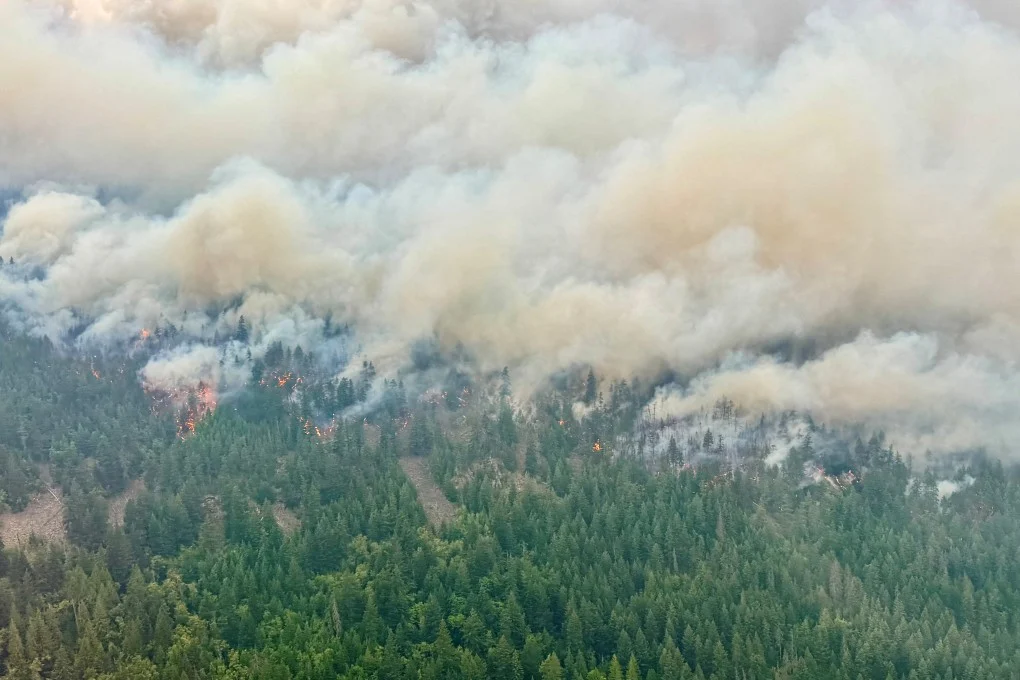
As environmental disasters cross international borders, the political fallout surrounding the world distrust America Canada wildfires debate highlights a troubling shift in North American diplomacy. While hundreds of wildfires burn across Canadian provinces, pushing smoke across the U.S. border, the response from Washington has turned into sharp political criticism and trade threats. Rather than offering traditional crisis support, the U.S. administration’s aggressive rhetoric toward its long-standing northern neighbor illustrates why global allies increasingly question American reliability.
Cross-Border Smoke turned Trade Weapon
To understand why international observers view the current U.S. approach with skepticism, commentators point directly to recent presidential statements regarding transboundary environmental hazards. As smoke choked major U.S. metropolitan areas, Washington shifted blame onto Ottawa, even threatening to increase commercial trade tariffs to cover the economic costs of air pollution.
Rather than treating environmental emergencies as shared global challenges, current political rhetoric weaponizes natural disasters into economic leverage against close partners.
This transactional approach toward cross-border environmental crises undermines decades of cooperative bilateral agreements. For traditional partners who historically relied on American diplomatic and environmental leadership, seeing a crisis met with punitive economic threats signals a fundamental shift in alliance norms. Consequently, the commentary argues that Canada’s experience serves as a clear example of why global trust in U.S. security and economic commitments continues to erode.
The Erosion of Traditional Alliances
This public dispute over wildfire smoke reflects a broader pattern of erratic foreign policy that troubles allies around the world. When even the closest neighboring state faces public hostility and integration threats during a national crisis, it sends a troubling signal to international partners.
The article emphasizes that international alliances rely on predictable, good-faith cooperation—especially during environmental or humanitarian emergencies. When Washington treats long-standing agreements as optional or conditional on immediate domestic politics, global middle powers naturally seek alternative diplomatic alignments. As a result, states across Europe, Asia, and Latin America are increasingly hedging their geopolitical strategies to reduce dependence on American leadership.
Implications for Transpacific and Global Trade Stability
For multinational businesses, supply chain directors, and trade policy analysts, this rising transboundary friction introduces unpredictable political risks. Corporate compliance teams can no longer assume that shared geography or historical ties will protect bilateral trade corridors from sudden tariff spikes.
Furthermore, linking environmental hazards directly to commercial sanctions creates severe uncertainty for cross-border supply chains. As climate-driven weather events become more frequent, companies operating across North America must prepare for unpredictable trade barriers driven by domestic political rhetoric. Ultimately, the eroding trust between Washington and its closest allies forces global enterprises to build more flexible, diversified international strategies.
A Troubling Forecast for Diplomatic Cohesion
Rebuilding international trust and restoring stable diplomatic frameworks will require a return to predictable, cooperative diplomacy. Transactional rhetoric during natural disasters offers short-term domestic political gains at the expense of long-term strategic credibility.
Moving forward, middle powers and traditional allies will likely continue diversifying their diplomatic and economic partnerships to hedge against U.S. policy volatility. Success in an increasingly multi-polar world requires allies who respect international commitments even during complex crisis moments. Ultimately, how Washington treats its closest neighbors during environmental emergencies remains a clear indicator of its global reliability.
Vidal, M. (2026, July 19). My Take | Why does the world distrust America? Just ask the Canadians. South China Morning Post. https://www.scmp.com/opinion/article/3361116/why-does-world-distrust-america-just-ask-canadians