
A Sensitive Challenge for Beijing
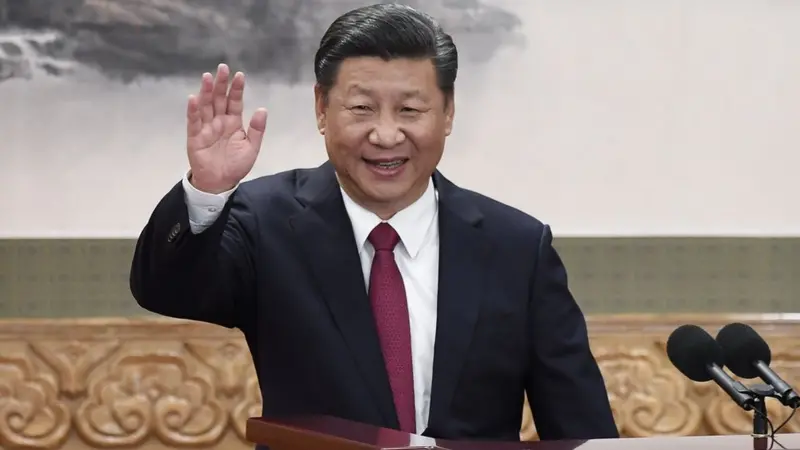
According to Nikkei Asia, President Xi Jinping is working to contain the political consequences of a scandal that has reached members of his inner circle. The analysis argues that recent investigations and leadership changes reflect Beijing’s determination to prevent internal political instability while preserving the image of unity within the Chinese Communist Party (CCP). As China faces mounting economic and geopolitical pressures, maintaining confidence in the country’s leadership has become a strategic priority.
Anti-Corruption Campaign Remains a Central Tool
The article explains that Xi’s anti-corruption campaign continues to serve not only as a mechanism for combating corruption but also as an instrument for reinforcing party discipline and political loyalty. The removal or investigation of senior officials demonstrates that no level of government is entirely immune from scrutiny. At the same time, such actions reinforce Xi’s authority over the CCP and the broader state apparatus.
Political Stability and Leadership Control
Nikkei notes that scandals involving senior officials create risks for political stability, particularly when they involve individuals closely connected to the country’s top leadership. By acting quickly to manage the situation, the Chinese government seeks to limit speculation, maintain public confidence and prevent internal disputes from affecting policymaking. The response illustrates the importance Beijing places on centralized leadership and institutional discipline.
Domestic Politics with Global Implications
China’s internal political developments are closely monitored by governments, investors and multinational companies worldwide. Any perception of instability within the country’s leadership can influence financial markets, foreign investment decisions and diplomatic relations. As the world’s second-largest economy, China’s domestic political environment has direct implications for global supply chains, trade and international economic confidence.
Transparency and Governance Remain Key Issues
The analysis also highlights the limited transparency surrounding high-level political investigations in China. Information is often released gradually through official channels, making it difficult for outside observers to fully assess the scope of internal political developments. This environment reinforces international debates about governance, institutional accountability and the relationship between political control and economic stability.
International Relevance
Overall, Nikkei Asia argues that the management of political scandals within China’s leadership extends beyond domestic politics. The case illustrates how governance, party discipline and leadership stability influence global markets, international diplomacy and geopolitical risk assessments. For the OGU, the topic is internationally relevant because it connects Chinese domestic politics with international economic confidence, regional stability and global governance.
Reference: Nikkei Asia. (2026). Analysis: Xi Jinping moves to bury a scandal that reaches his inner circle. https://asia.nikkei.com/editor-s-picks/china-up-close/analysis-xi-jinping-moves-to-bury-a-scandal-that-reaches-his-inner-circle