
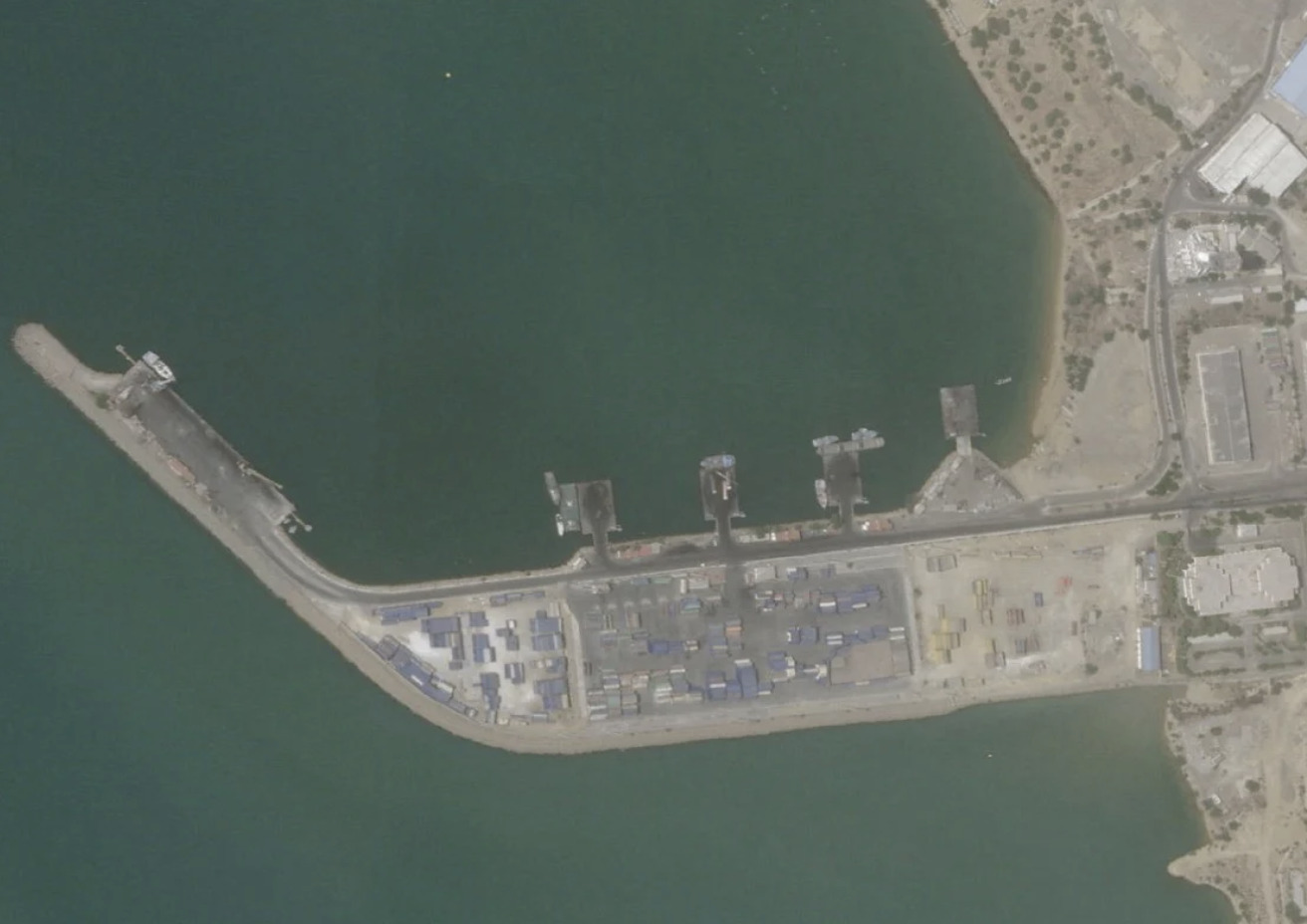
The Strategic Disruption of Chabahar
The United States has spent decades trying to blunt China’s strategic rise. However, Washington’s war against Iran is now dismantling a key asset built to constrain Beijing’s regional influence. The Iranian port of Chabahar previously received strong backing from India. New Delhi hoped this trade corridor would serve as a vital counterweight to the Chinese-operated Pakistani port of Gwadar. Both Washington and New Delhi feared Gwadar could give the Chinese navy a dangerous intelligence window close to the Strait of Hormuz. Consequently, previous US administrations quietly granted sanctions waivers to keep Chabahar operating smoothly.
Trump’s Policy Shifts and Regional Fallout
The geopolitical calculation has shifted drastically under US President Donald Trump. Trump has adopted a more conciliatory tone toward China while showing markedly less enthusiasm for the Quad alliance. At the same time, his maximum-pressure campaign against Iran has left no room for strategic exceptions. Fresh sanctions and recent US military strikes have brought Indian operations at Chabahar to a complete standstill. Analysts describe this sudden disruption as a severe strategic own goal. The ongoing conflict is actively forcing landlocked Central Asian countries to move away from the Iranian trade route. Instead, they are tilting toward infrastructure networks dominated by Beijing.
Diverging Priorities Among Global Partners
Security analysts argue that the US appears determined to pursue its anti-Iran campaign regardless of the impact on partnered projects. The irony remains that Washington long called on India to do more security burden-sharing in the Indian Ocean. Yet, the US unexpectedly stepped up its own aggressive maritime activities in the region over the past year. Major incidents include US forces boarding a transit ship off Sri Lanka and the sinking of an Iranian frigate. This willingness to prioritize immediate pressure on Tehran highlights a deep difference in strategic priorities between Washington and its partners. Ultimately, this tension reminds regional actors that even close allies do not always share identical interests.
Reference
Razdan, K., & Razdan, K. (2026, 27 julio). How Trump’s Iran ‘own goal’ is hitting long-term US strategy to contain Chinese influence. South China Morning Post. https://www.scmp.com/news/china/diplomacy/article/3361869/how-trumps-iran-own-goal-hitting-long-term-us-strategy-contain-chinese-influence?share=iOkg6KbDTqE1z%2FGvuNER%2FIPlmoO6T4T4MbsweusWnj7FJ%2Fk5DvEp3owaGZ%2FARtsdEbDor88VBNC1ahGibjLnzZZWKva3Yu3Lrg9U3sCLNNo%3D&utm_campaign=social_share