
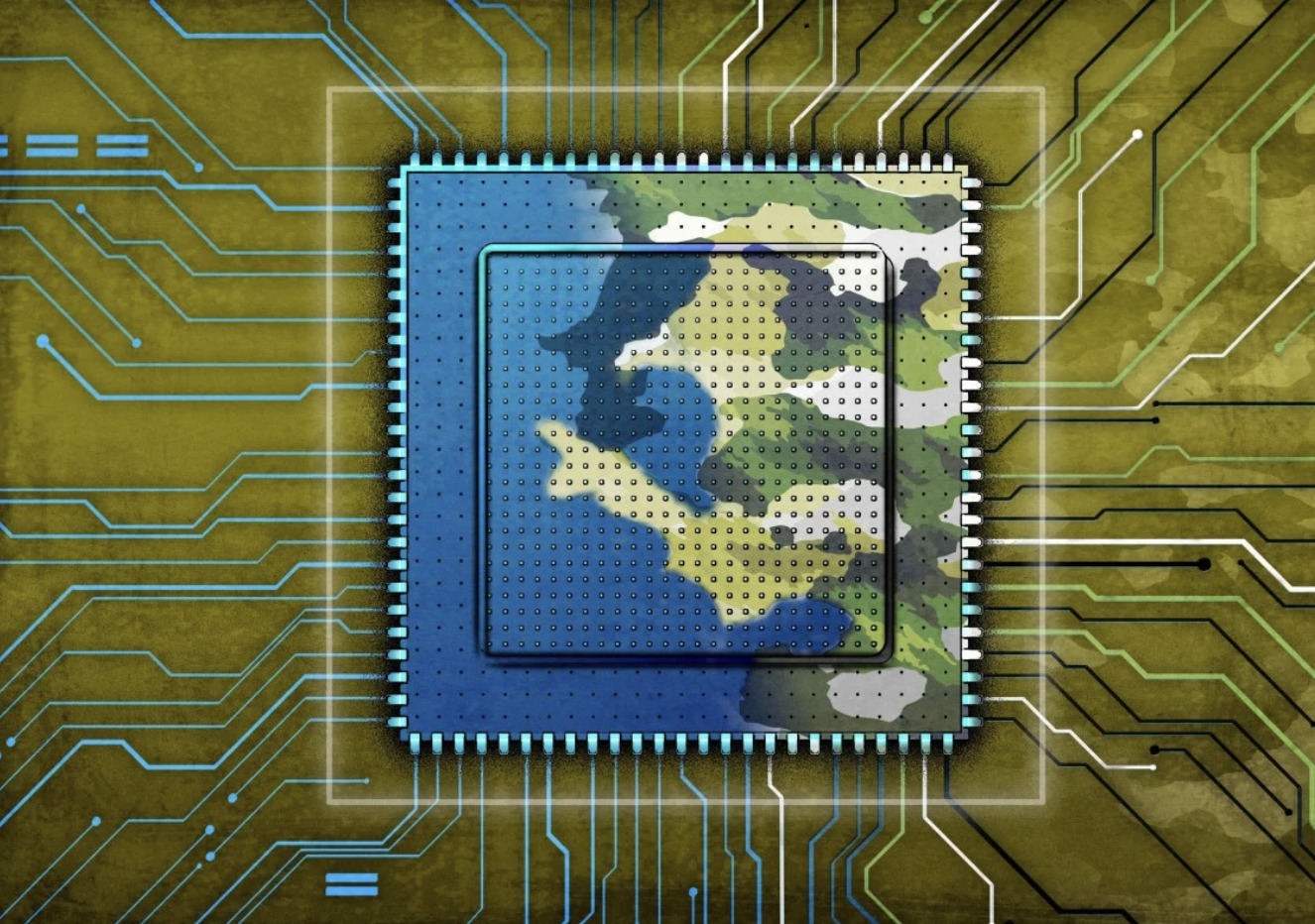
The Rise of Chinese Defense AI
A little-known Chinese company named Jingan Technology made a bold claim recently. Specifically, they detected a large concentration of US surveillance assets across the Middle East. Drawing on open-source intelligence, the firm utilized AI-powered analysis. Consequently, the company predicted US air strikes on Iran over 50 days early. Therefore, Jingan aggressively markets its flagship product, the Jingqi Global Situational Awareness System. They actively pitch it as a Chinese counterpart to Palantir’s Gotham and Anduril’s Lattice. Furthermore, the Hangzhou-based firm joins a growing number of Chinese private tech companies. These businesses are aggressively entering the country’s expanding defense AI sector. Ultimately, Beijing’s strategic military-civil fusion strategy heavily drives this rapid corporate expansion. This strategy aims to integrate private companies directly into the massive defense industry.
Challenges in Operational Integration
Some Chinese companies are actively closing technological gaps with US counterparts. However, severe structural challenges remain for building an operational ecosystem. Hu Bo directs the South China Sea Strategic Situation Probing Initiative. He noted that the core technology gap is rapidly closing. Nevertheless, the United States remains much further ahead in applying these systems for direct military decision-making. The PLA officially aims to become a world-class fighting force by 2027. Additionally, Chinese leaders continuously emphasize the “intelligentisation” of the military. Despite these ambitious goals, massive hurdles clearly persist. For instance, a recent PLA Daily commentary highlighted enduring institutional problems. These complex issues include duplicated AI model development across military branches and limited interoperability. Furthermore, the Chinese military has not conducted large-scale operations for decades. As a result, they currently lack a real-world operational environment to validate these advanced software applications.
The US Blueprint and Business Obstacles
Few global defense software companies attract as much attention in China as Palantir. The Pentagon successfully used Palantir’s Maven Smart System recently. Specifically, it helped identify and strike over 1,000 targets during the Iran conflict’s first 24 hours. However, Chinese defense tech firms face significant business obstacles when emulating this success. An anonymous employee at a leading Chinese tech company explained the situation. Primarily, the military’s strict control of costs and long procurement cycles present massive challenges. Therefore, private firms struggle to secure the required long-term research investment.
Reference
Wang, A., & Wang, A. (2026b, agosto 6). In Focus | China’s Palantir? Private tech firms surge into defence AI, aiming to match US giants. South China Morning Post. https://www.scmp.com/news/china/military/article/3363032/chinas-palantir-private-tech-firms-surge-defence-ai-aiming-match-us-giants?share=vABlihbSBrzcYBqWdihWHaMUz%2FkK1dJAcSCI7SclfBydC%2FnJ7VV1zd3HCxpDIpHT36Yqpkq8iO9bHajrE%2FqXZDg4QeHMHVpi1Xl2HT2r7J0%3D&utm_campaign=social_share