
A Escalating Legal Battle in Defense of the First Amendment
The tension between corporate entertainment giants and U.S. regulatory bodies has reached a historic legal tipping point. According to a judicial report published by the Associated Press, The Walt Disney Company, alongside its television network ABC, filed a federal lawsuit against the Federal Communications Commission (FCC). The legal action directly accuses the regulatory agency of violating constitutional rights protected under the First Amendment. Specifically, the filing seeks to halt what Disney describes as an intimidation campaign and government retaliation targeting the network’s editorial decisions.
The Trigger: Friction Over Late-Night Satire
The primary catalyst behind this high-stakes dispute traces back to escalating friction over late-night host Jimmy Kimmel’s comedic monologues. Following jokes and commentary that drew sharp criticism from President Donald Trump’s administration, the president publicly demanded Kimmel’s termination. The day after those statements, the FCC initiated an unprecedented early review of the broadcast licenses for eight ABC-owned local stations in major markets, including New York and Philadelphia. While the agency officially cited inquiries into corporate Diversity, Equity, and Inclusion (DEI) policies, the timing highlighted political motivations behind the regulatory maneuver.
The Regulator’s Stance and the Public Interest Argument
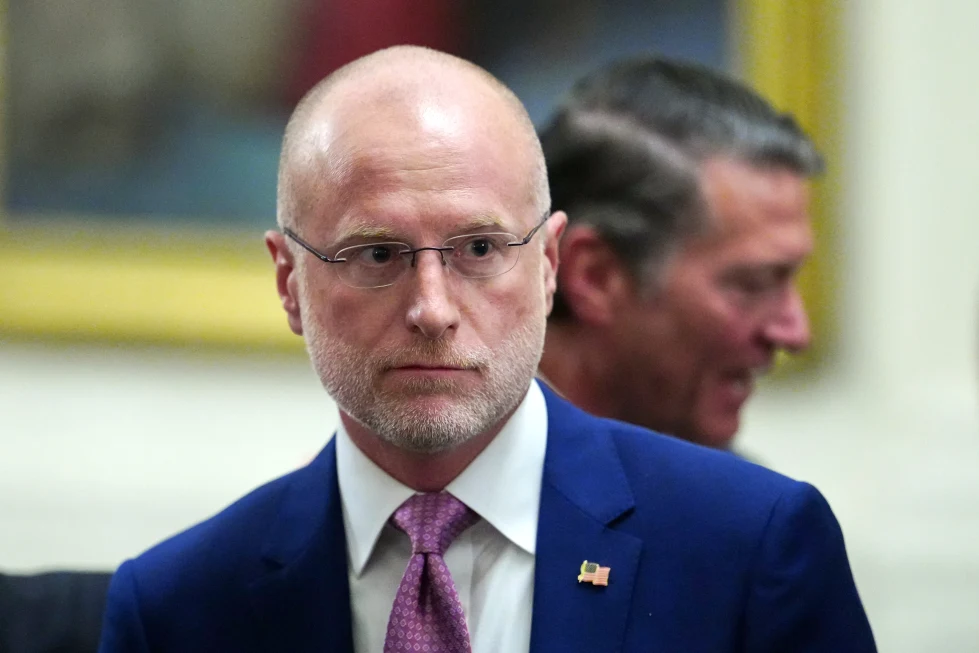
Responding to the allegations, FCC Chairman Brendan Carr publicly defended the agency’s actions as a matter of regulatory mandate. According to the chief regulator, broadcast networks hold a statutory obligation to “operate in the public interest,” and the commission aims to restore that standard across mass media platforms. The agency’s legal argument maintains that the public deserves reliable and accountable media outlets, justifying audits into hiring practices and programming standards. However, ABC executives characterize these extraordinary audits as an overt effort to create a chilling effect on free expression across the entire broadcasting sector.
Congressional Reaction and Civil Society Backlash
The legal confrontation has ignited widespread political and civil mobilization across the United States. Key members of Congress alongside free speech advocacy groups, including the ACLU and the Knight First Amendment Institute, have filed briefs requesting an immediate halt to the investigation. Critics of the agency argue that the FCC is weaponizing its license renewal authority to execute executive-level censorship. Consequently, civil rights advocates warn that permitting administrative retaliation sets a dangerous precedent that threatens the foundational principles of a free and independent press.
Implications for the Future of Broadcast Regulation
The outcome of this trial in Washington federal court will redefine the legal limits of government power over public airwaves and commercial broadcasting concessions. For the first time in decades, an entertainment conglomerate is directly challenging the regulatory authority of the FCC on grounds of political retaliation. A ruling in favor of Disney would significantly reinforce legal protections for media organizations against state interference in programming choices. Conversely, an adverse ruling would grant regulatory agencies unprecedented leverage over editorial decisions and employment practices across major international networks.
International Relevance
Disney’s lawsuit against the FCC carries immense implications for global free speech, media governance, and constitutional law. As a direct confrontation between one of the world’s largest entertainment conglomerates and the primary communications regulator of a global economic power, the case establishes a critical benchmark regarding the misuse of administrative authority for indirect censorship. Furthermore, this dispute highlights the vulnerability of traditional broadcast networks to polarized political pressure, providing a pivotal case study on the boundaries of state oversight within established democracies. Ultimately, the resolution of this litigation will shape international standards protecting journalists, creators, and media enterprises from governmental interference worldwide.
Reference: Associated Press. (2026, August 18). Disney sues FCC over challenge to broadcast licenses, claiming retaliation over ‘Jimmy Kimmel’. https://apnews.com/article/abc-fcc-kimmel-disney-lawsuit-8c379d4d4dc90e97a8ef57371f203bfa