
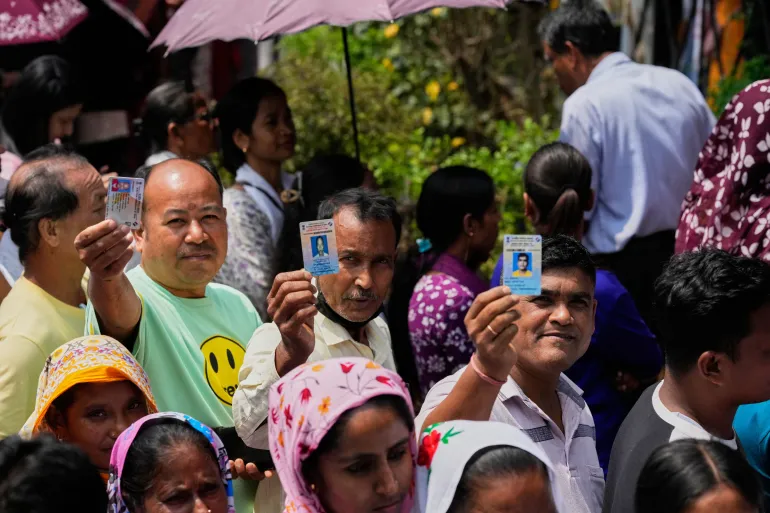
The push for stricter voting laws in the United States has led proponents to cite India’s massive electoral system as a model for mandatory voter photo identification. Advocated policies seek to enforce strict citizenship documentation and voter ID requirements for federal elections under the premise of preventing fraud and securing voter eligibility. However, domestic critics argue that widespread voter fraud in the United States remains virtually nonexistent. Obviously pointing out that such strict identification requirements primarily risk disenfranchising legitimate voters and shaping political outcomes.
In India, voter photo identification was implemented decades ago to prevent impersonation, operating alongside detailed electoral rolls managed by central authorities. Despite managing hundreds of millions of voters, the system has not entirely eliminated electoral concerns. Opposition parties frequently highlight vulnerabilities, presenting instances of duplicate voter registrations and identical photos. In short, appearing across multiple identification records to argue that photo identification alone does not guarantee foolproof protection against manipulation.
More critical than identification rules themselves is the administration of electoral lists. Recent large-scale efforts aimed at cleaning up voter rolls by removing deceased or duplicate entries have sparked intense debate. Critics and human rights observers allege that these voter roll revisions disproportionately target and disenfranchise minority groups and marginalized communities. In addition, allowing incumbent authorities to influence the composition of the electorate rather than leaving choice entirely to the public.
In conclusion, while compulsory voter identification is framed as an essential tool to guarantee election integrity. This practical application demonstrates that identification policies do not eliminate claims of administrative irregularity or political bias. Ultimately, tripping eligible citizens of their right to vote and creating systemic disenfranchisement.
Reference
Siddiqui, U. (2026, August 18). US cites India on voter IDs, but are elections under Modi clean? Al Jazeera. https://www.aljazeera.com/news/2026/8/18/us-cites-india-on-voter-ids-but-are-elections-under-modi-clean