
Managing Fallout and Containing Spillover
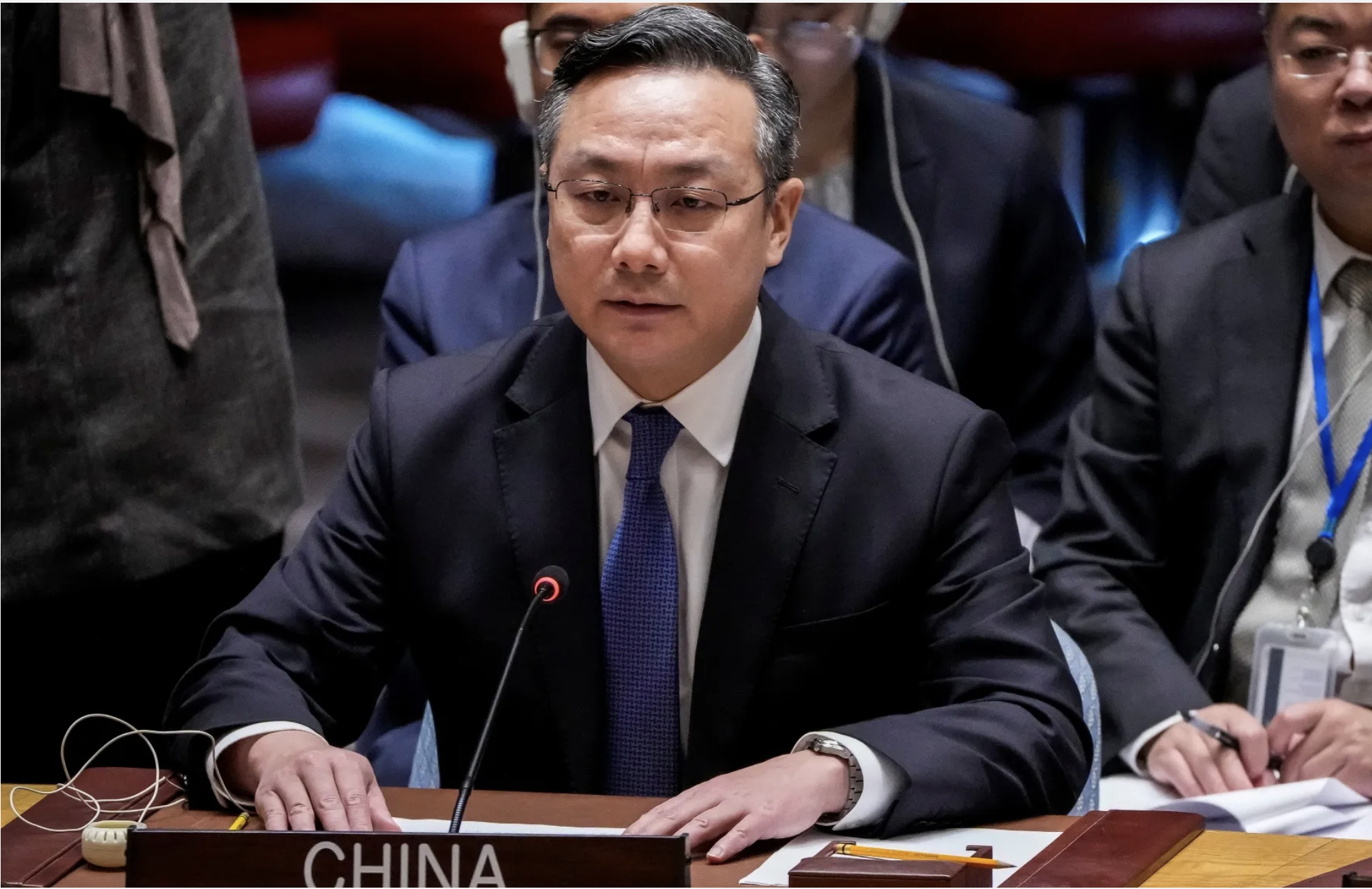
As the US-Israeli military campaign against Iran enters its sixth month, China focuses primarily on managing the conflict’s fallout rather than exploiting it for geopolitical gains. Beijing’s most immediate concern is containing regional spillover that could severely disrupt global trade and energy supply chains. Although China is the world’s largest crude oil importer and is highly exposed to the Strait of Hormuz, it has successfully absorbed temporary disruptions through inventory management and alternative suppliers. Ultimately, China’s urgent interest in ending the war is fundamentally driven by its need to preserve global economic stability.
Risk Reduction and Strategic Diversification
Furthermore, Beijing actively seeks to reduce risks through diplomatic de-escalation rather than coercive military intervention. China clearly avoids assuming responsibility as the primary security guarantor for the Middle East. Instead, the ongoing crisis has taught Beijing that strategic resilience requires rapidly reducing excessive dependence on any single country or vulnerable maritime chokepoint. Consequently, China is aggressively prioritizing alternative trade corridors—such as the China-Kyrgyzstan-Uzbekistan railway and Arctic shipping routes—while diversifying its energy partnerships to ensure long-term security.
Avoiding Entanglement and Finding Overlap
Crucially, China strongly avoids strategic entanglement, refusing to transform its comprehensive partnership with Iran into a hard-security alliance that could draw Beijing into a direct confrontation. Interestingly, Beijing’s diplomatic approach shares significant, unacknowledged overlap with Washington’s core objectives. Both nations ultimately want to prevent nuclear proliferation, protect global commerce, and stabilize the Gulf region. Moving forward, China’s preferred role remains focused on economic reconstruction and keeping critical maritime routes open, acting as a responsible risk-reduction agent rather than a traditional geopolitical competitor.
Reference
Beyond winning and losing: What Beijing wants from the Iran war. (2026, 20 agosto). Brookings. https://www.brookings.edu/articles/beyond-winning-and-losing-what-beijing-wants-from-the-iran-war/?utm_campaign=This%20Week%20in%20Foreign%20Policy&utm_medium=email&utm_content=434325667&utm_source=hs_email