
Congress Receives a Landmark Nuclear Accord
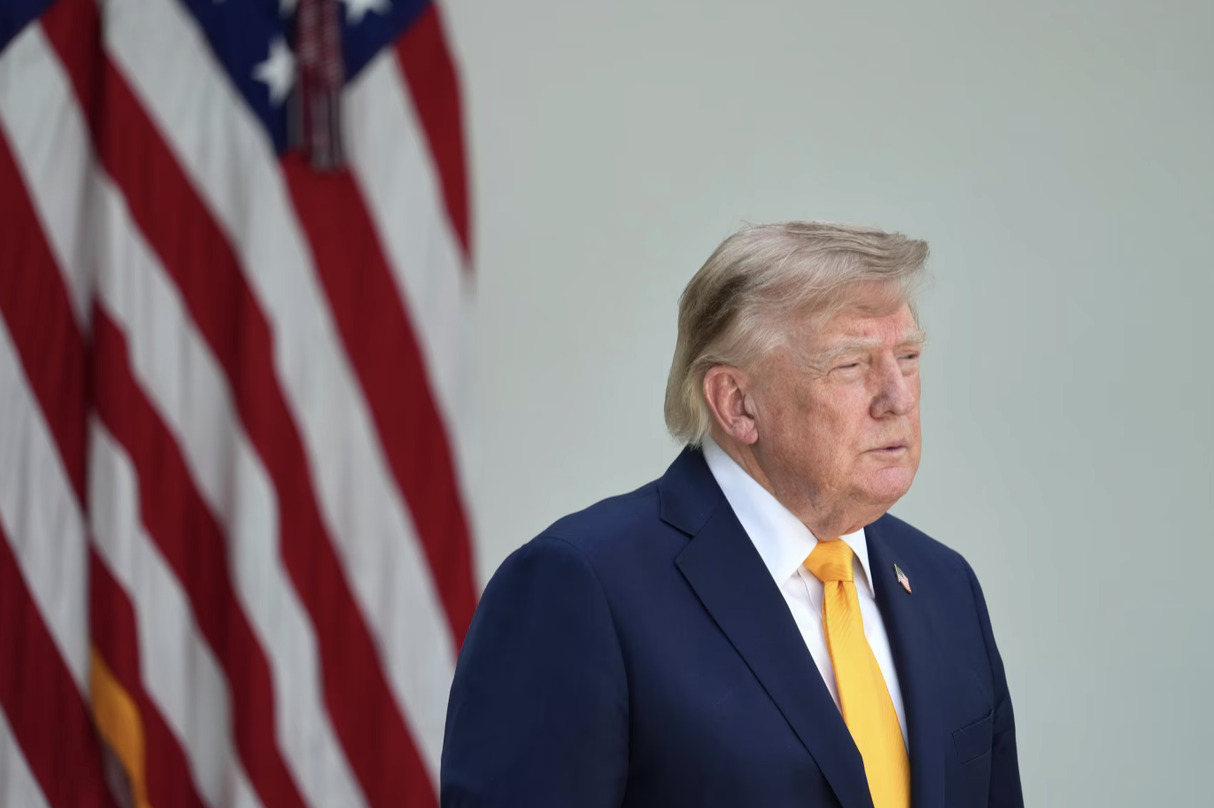
President Donald Trump submitted a 30-year civilian nuclear agreement with Saudi Arabia to Congress for review. The accord would place American companies at the center of the kingdom’s nuclear development while excluding foreign competitors. Its submission is expected to begin months of debate over commercial opportunities, regional security and nuclear nonproliferation.
Under U.S. law, lawmakers must examine the agreement before it can move forward. However, stopping it would require a joint resolution and enough votes to override a possible presidential veto. That process makes congressional rejection difficult, even though the agreement is likely to face strong criticism.
At the same time, the accord offers a major commercial opening for the American nuclear industry. Trump officials said U.S. companies would receive a central role in developing Saudi nuclear infrastructure. Foreign competitors would be excluded, linking the administration’s strategic goals with potential profits for domestic firms.
Proposed Enrichment Raises Proliferation Concerns
As part of the deal, both governments would conduct a two-year study on the commercial viability of uranium enrichment in Saudi Arabia. If the study supports the project, American companies could build and operate the facility. The arrangement would prevent sensitive technology from being transferred directly to Saudi authorities.
Supporters argue that American control would help keep the program peaceful. Saudi officials also say civilian nuclear power could meet domestic energy needs and free additional oil for export. Still, critics warn that allowing enrichment on Saudi territory could weaken decades of U.S. policy. That policy has sought to limit the spread of technology that can produce nuclear fuel or support weapons programs.
The kingdom says it wants to use its own uranium ore deposits as part of the civilian program. In its view, nuclear energy would reduce domestic dependence on oil and increase the amount available for overseas sales. Nevertheless, opponents see any local enrichment capability as a dangerous precedent in an already volatile region.
Israel Condition Complicates Implementation
However, Trump insists that the agreement will proceed only if Saudi Arabia joins the Abraham Accords and normalizes relations with Israel. He added this condition after the accord had already been negotiated and signed. Consequently, a nuclear cooperation agreement has become tied to a separate and politically difficult diplomatic decision.
Saudi Arabia had moved closer to normalization during the Biden administration. Those discussions formed part of a broader package involving a U.S. defense pact and civilian nuclear cooperation. Yet Riyadh pulled back after the October 2023 Hamas attack and Israel’s subsequent military campaign in Gaza. The current agreement therefore combines economic benefits with unresolved questions about enrichment, regional stability and Saudi-Israeli relations.
References
Gordon, M. R., & Gramer, R. (2026, 25 agosto). Trump sends nuclear agreement with Saudi Arabia to Congress. The Wall Street Journal. https://www.wsj.com/world/middle-east/trump-sends-nuclear-agreement-with-saudi-arabia-to-congress-7f01af2c