
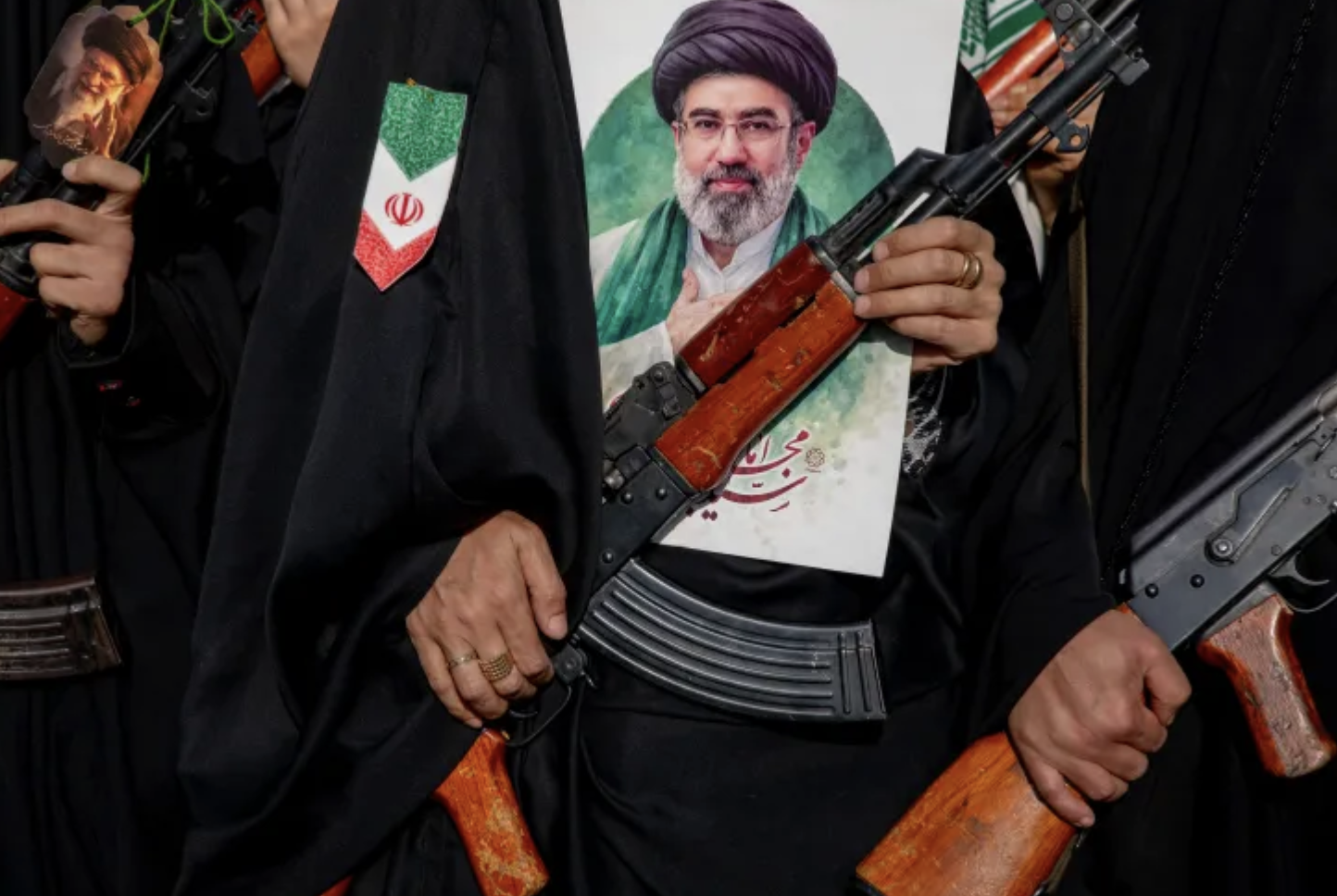
Iran’s Supreme Leader Ayatollah Mojtaba Khamenei has urged Gulf leaders to identify their “real enemy” and confront it. His message came as tensions persist over the Strait of Hormuz. Regional mediators are pushing for renewed diplomacy. “Identify your real enemy, understand his plan and confront it,” Khamenei said on Sunday.
Khamenei has not appeared publicly since the US-Israeli attacks on February 28. Those attacks killed his father, the previous supreme leader. The standoff over the Strait of Hormuz remains unresolved. About 20 percent of global oil shipments passed through the waterway before the war.
Deputy Foreign Minister Kazem Gharibabadi said Iran and Oman reached an understanding on a temporary maritime route. However, implementation depends on the US fulfilling its commitments under a lapsed June agreement. “The Strait of Hormuz is closed,” Gharibabadi said. Any vessel seeking to cross must coordinate with Iran.
Iran and Oman have discussed a temporary shipping corridor and mine clearance. Qatar and Pakistan have also stepped up mediation. Qatar’s Prime Minister visited Tehran on Thursday for talks. Recorded transits remain low. Reuters reported seven commodity vessels crossed on Thursday, down from 17 a day earlier.
The International Maritime Organization said up to 400 ships with about 6,000 seafarers are trapped in the Gulf. The IMO called for restoring freedom of navigation.
Diplomatic efforts come as economic pressure mounts on Iran. Annual inflation reached 66 percent last month. President Masoud Pezeshkian said imports and exports have fallen nearly 35 percent. The US has also widened sanctions on Iran-linked targets.
Despite the pressure, Tehran shows no sign of yielding. Pezeshkian has called for reviving the June interim agreement. “We can solve our problems with the memorandum of understanding,” he said.
Reference
Al Jazeera, “Iran’s Khamenei calls for Gulf unity as Hormuz tensions persist,” published August 30, 2026. https://www.aljazeera.com/news/2026/8/30/irans-khamenei-calls-for-gulf-unity-as-hormuz-tensions-persist