
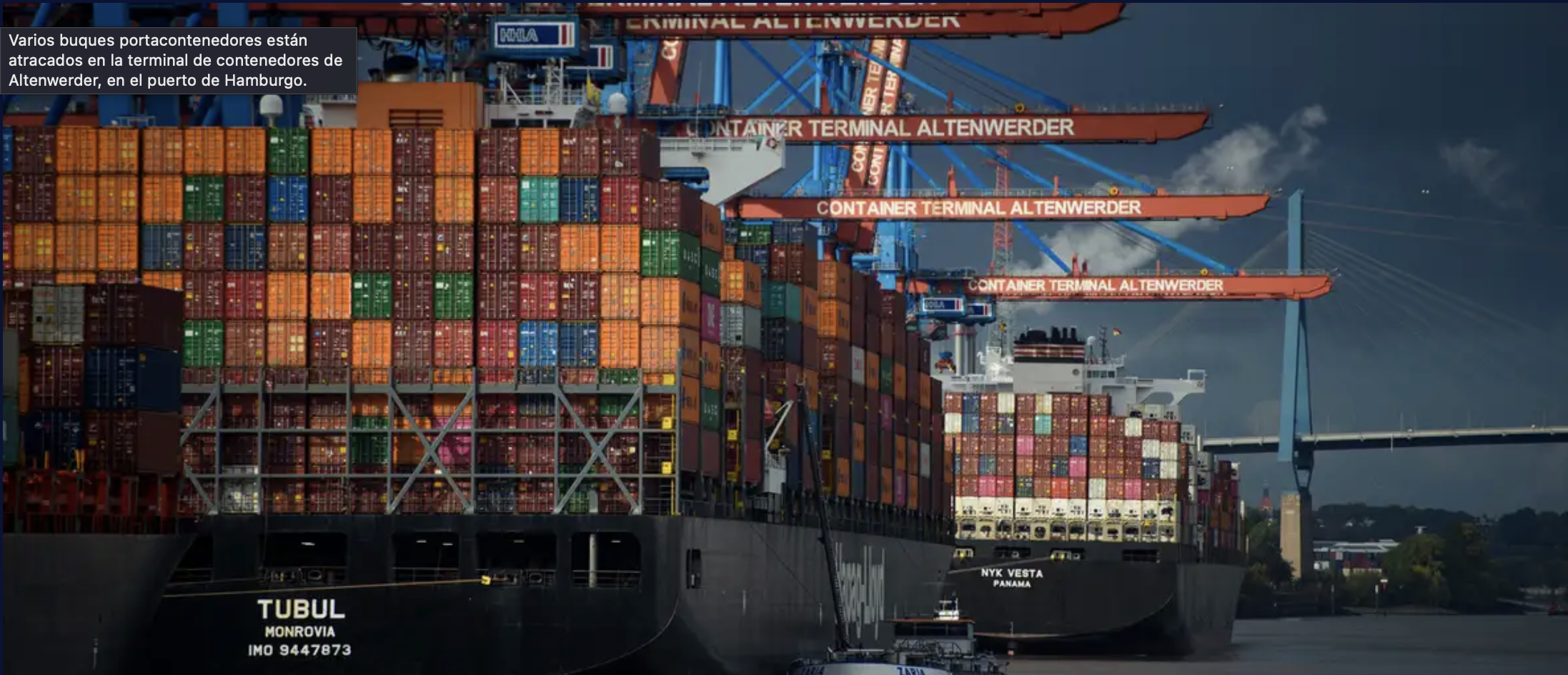
Recent economic indicators suggest the German economy is emerging from its prolonged recession. The Federal Statistical Office reported a 0.3% GDP growth rate for the second quarter of 2026.
Specifically, industrial exports and increased domestic production drove this quarterly expansion. Because business confidence reached a one-year high on the Ifo index, financial analysts express cautious optimism. Consequently, overall annual growth projections for 2026 now reach 1.2%, surpassing several European neighbors.
German manufacturers adapted effectively to global supply chain disruptions in recent months. For this reason, chemical and heavy industry firms gained market share relative to Asian competitors.
In fact, new industrial orders increased for three consecutive months, boosting output to levels unseen since early 2022. However, major corporations like Volkswagen continue facing workforce restructuring amid intense global competition. Therefore, long-term stability requires sustained structural reform across key sectors.
Chancellor Friedrich Merz’s administration implemented large-scale fiscal packages to support economic activity. Indeed, public spending includes a €500 billion infrastructure investment plan alongside increased defense expenditures.
Meanwhile, energy price relief measures and tax cuts provided financial assistance to lower-income households. Furthermore, economic institutes note that fiscal stimulus is gradually reaching broader commercial markets. As a result, market sentiment among business leaders continues to improve steadily.
Reference
Sullivan, A. (2026, September 3). ¿Salió Alemania por fin de su recesión económica? Deutsche Welle. https://www.dw.com/es/sali%C3%B3-alemania-por-fin-de-su-recesi%C3%B3n-econ%C3%B3mica/a-78893003