
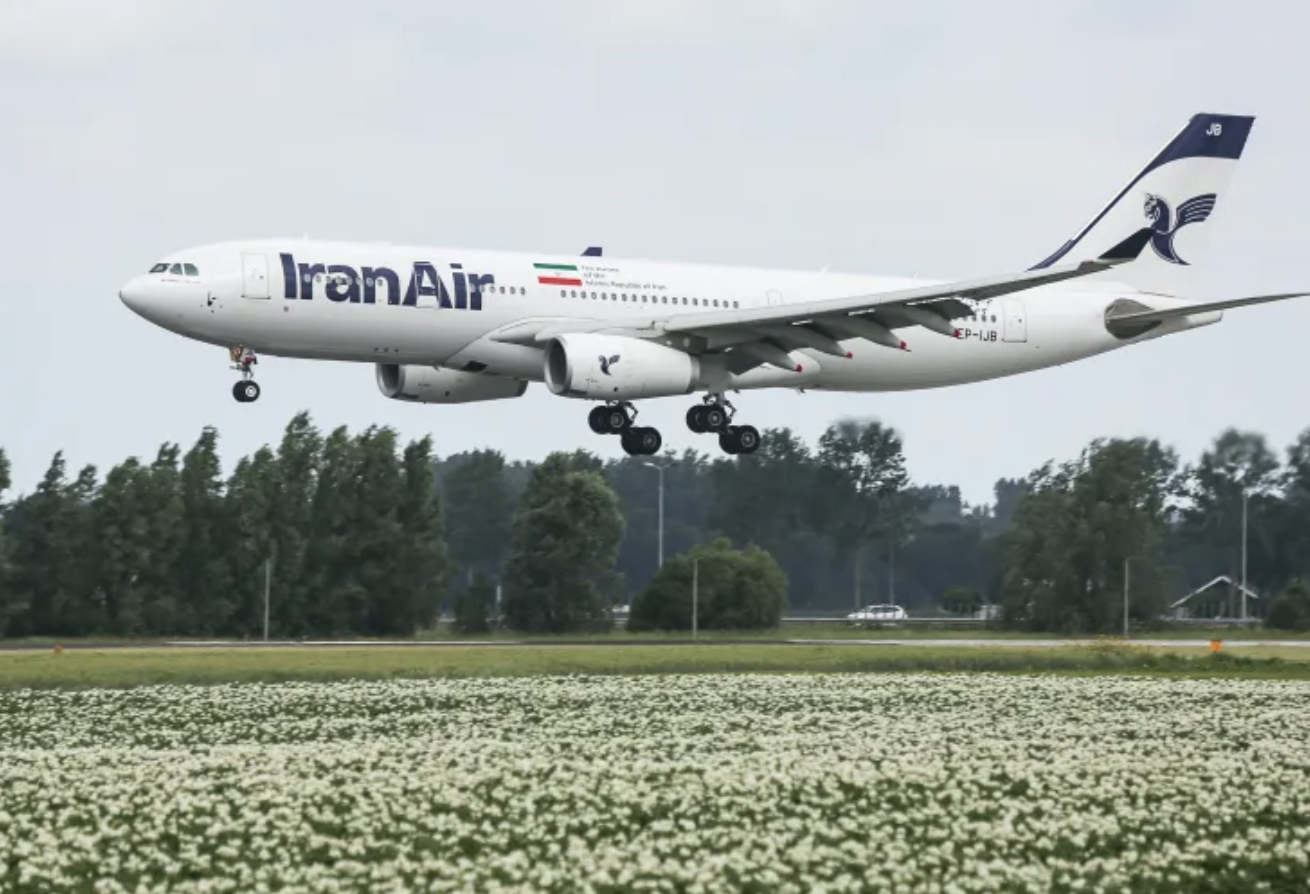
Coercive warnings regarding Iran regional airports threats aviation sanctions reflect escalating geopolitical friction between Tehran, Washington, and neighboring Middle Eastern states. Senior Iranian official Mohsen Rezaei warned regional governments that complying with new United States Treasury restrictions targeting Iranian air carriers would invite direct operational retaliation.
Specifically, US Treasury Secretary Scott Bessent announced secondary sanctions covering 27 Iranian airlines, warning foreign refueling services, ticket agencies, and ground support teams against assisting Iranian flights. Consequently, neighboring nations including Georgia, Azerbaijan, and the United Arab Emirates suspended multiple flight routes with Iran. Therefore, international aviation analysts examine how coercive economic pressure impacts regional commercial transport networks.
Coercive Deterrence and Ambiguous Strategic Retaliation
Tehran’s retaliatory rhetoric functions as a strategic attempt to deter neighboring states from participating in Washington’s economic isolation campaign. For this reason, Iranian national security officials left the exact nature of their proposed response deliberately ambiguous, withholding details regarding potential diplomatic, economic, or physical countermeasures.
In fact, security experts note that Iran previously demonstrated its capacity to disrupt Gulf aviation during the early stages of the military conflict in March 2026. Meanwhile, defense analysts argue that direct military strikes on commercial airports remain unlikely due to broader diplomatic considerations. Therefore, foreign policy observers monitor whether key transit hubs like Turkey and China maintain active flight connections with Tehran.
Economic Impact on Aviation and Regional Tourism
Prolonged aviation disruptions inflict severe financial losses across Middle Eastern transport and hospitality sectors. Indeed, the International Air Transport Association estimates that Middle Eastern airlines will incur collective losses reaching billions of dollars throughout 2026.
Furthermore, international passenger capacity from Iranian airports fell significantly compared to previous years, forcing travelers toward overland border crossings into Armenia and Turkey. Although Washington attempts to maximize financial pressure through secondary sanctions, analysts emphasize that air transport restrictions alone will not alter core Iranian policy decisions. As a result, global economists continue tracking long-term financial impacts on regional aviation markets.
Reference
Al Jazeera. (2026, September 24). Why is Iran threatening regional airports and what could be the impact? Al Jazeera. https://www.aljazeera.com/news/2026/9/24/why-is-iran-threatening-regional-airports-and-what-could-be-the-impact