
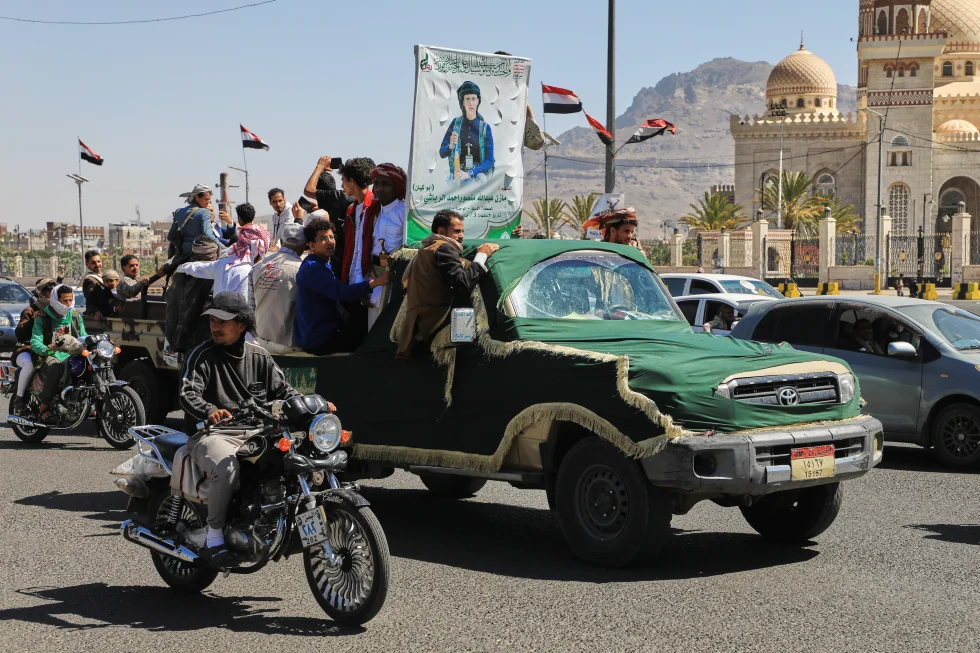
Iranian-backed Houthi rebels launched three ballistic missiles targeting the al-Alam government military camp in southern Yemen on Monday, killing at least 53 soldiers and wounding over 200 recruits. Shabwa provincial authorities and the Houthi movement both confirmed the strike against the government encampment.
Specifically, the attack hits a key training facility used by forces aligned with the internationally recognized Yemeni government. This rapid escalation follows a major military offensive initiated by the Saudi-led coalition to dislodge rebel forces from strategic positions across the region. Consequently, the strike marks one of the deadliest single incidents in recent months, further destabilizing fragile regional security dynamics.
Fragile Truces and Escalating Middle Eastern Warfare
The missile strike on the Shabwa facility demonstrates the continuous breakdown of informal ceasefires between warring factions in Yemen. Furthermore, the involvement of advanced ballistic technology highlights ongoing external military support and proliferation within the region. Regional analysts emphasize that targeted strikes on recruitment centers disrupt troop generation for pro-government coalitions.
However, retaliatory offensives by Saudi-backed forces risk expanding the territorial footprint of the conflict. In addition, escalating violence directly hinders international diplomatic efforts aimed at negotiating a permanent peace framework. Therefore, the ongoing hostilities threaten critical trade corridors and exacerbate severe humanitarian vulnerabilities across the Arabian Peninsula.
Asymmetric Capabilities and Strategic Security Implications
The deployment of ballistic weaponry underscores the asymmetric warfare strategy executed by Houthi forces against coalition targets. For instance, precision strikes allow rebel commanders to project power deep into government-controlled territory without engaging in costly ground battles. In response, coalition air defense systems face increasing operational pressure to intercept multi-missile salvoes. As a result, military command structures must re-evaluate the deployment and physical security of recruitment facilities near active frontlines. As regional proxy dynamics intensify, long-term stabilization in southern Yemen will depend on comprehensive conflict resolution, robust border monitoring, and sustained diplomatic engagement.
Reference
Associated Press. (2026, October 19). Houthi rebels hit military camp in southern Yemen, killing at least 53. AP News. https://apnews.com/article/yemen-houthis-saudi-fighting-6afad4ec4c22dcccd379152ea87cb0e2