
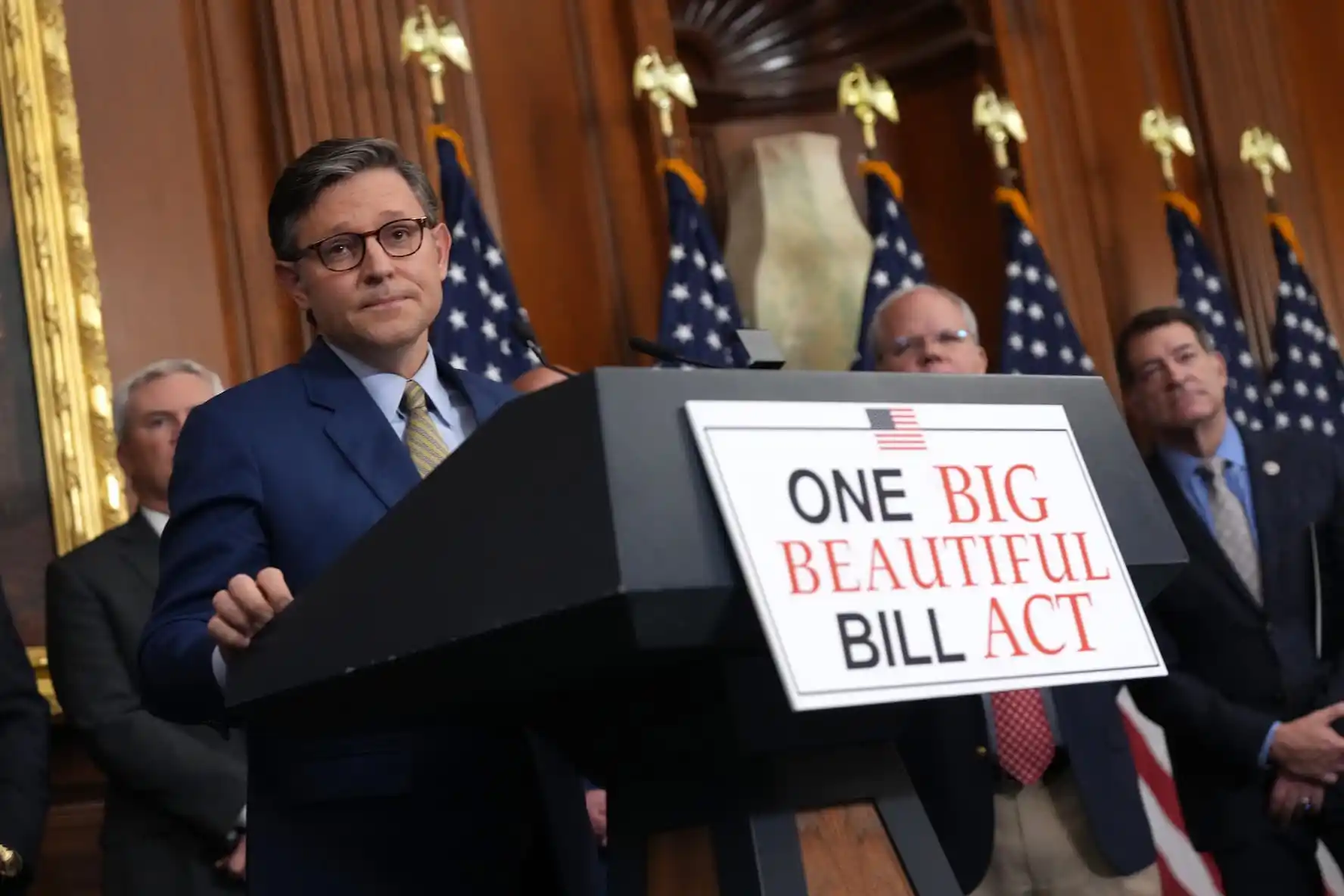
The Care Economy’s Importance
The U.S. care economy includes paid and unpaid labor supporting children, elderly adults, and people with disabilities. It grows as the population ages.
Moreover, immigrant workers are central to this sector, filling jobs many Americans do not accept. For example, home health aides and personal care workers are much more likely to be foreign-born than the overall workforce.
Policy Changes Threaten Workforce Stability
However, recent federal policies restrict immigration pathways and work permits for caregivers. Consequently, these constraints risk labor shortages in child care, nursing homes, and home-based care services.
Furthermore, rising employment authorization fees may deter immigrants from seeking legal work.
Safety Net and Health Program Reductions
In addition, eligibility for Medicaid and SNAP benefits was narrowed for many noncitizens under the policy changes.
Low-income caregivers and their families may lose access to essential care and nutrition programs.
Likewise, millions of low-income citizens could lose Medicaid coverage as eligibility restrictions take effect.
Consequences for Care Access and Quality
As a result, staffing shortages could lead to limited child care options and longer wait times for care. Also, reduced insurance coverage and higher care costs may worsen health outcomes for vulnerable groups.
Meanwhile, hospitals and long-term care facilities may face uncompensated care costs as more patients go uninsured.
Broader Economic and Social Risks
Beyond direct care impacts, labor supply shocks can harm broader economic growth and tax revenue. Moreover, reduced caregiver protections heighten the risk of job instability and exploitation.
Overall, the combination of labor restrictions and benefit cuts could deepen inequities in health and economic security.
Policy Responses to Strengthen Care Work
To offset these harms, domestic worker protections, like bills of rights, can improve wages and working conditions.
Such laws can guarantee minimum wage, overtime pay, and safe working standards for caregivers.
As a result, well-designed protections can help retain workers and enhance care quality for all.
Source:
Middlemass, K., & Farina, M. (2026, February 13). How the Big Beautiful Bill hurts the care economy. Brookings. https://www.brookings.edu/articles/how-the-big-beautiful-bill-hurts-the-care-economy/