
Energetic Atmosphere
The Munich Security Conference this year felt unusually vibrant, with intense conversations and active cooperation between Europeans and Americans.
Rubio’s Speech and European Reaction
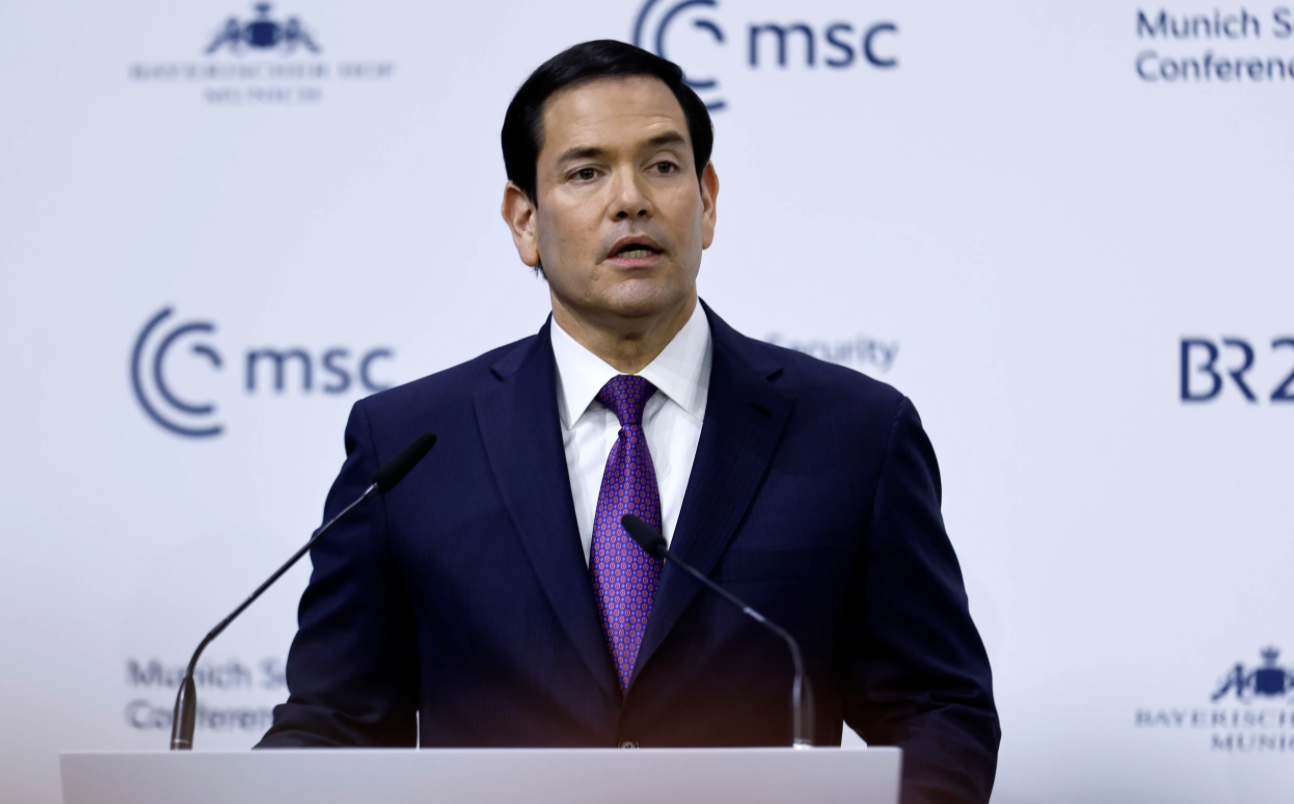
However, U.S. Secretary of State Marco Rubio focused on ethnonationalist ties rather than common threats like Russia, China and Iran.
Consequently, many European attendees were unsettled by framing the West around identity instead of shared security challenges.
Moreover, he downplayed issues like Russia and China, surprisingly observers expanding defense-oriented messaging.
Perceptions of Alliance Values
Additionally, some rhetoric suggested privileging partners whose values align with hard-right politics, alienating broader European audiences.
Thus, core beliefs like open borders, diversity, globalization and rule of law were implicitly criticized.
Ukraine’s Role and Views
Meanwhile, Ukraine was embraced as part of the European family, highlighting shared security and destiny. Yet Europe fears being sidelined in U.S.-Russia negotiations over Ukraine’s future.
Furthermore, Belarusian opposition figures were present, indicating broader support beyond Ukraine alone.
Transatlantic Relations and Trust
In contrast to the official speeches, many corridor conversations focused on genuine concerns about American reliability and the future of transatlantic ties.
Therefore Europeans talked about strengthening their own defense and strategic autonomy.
Broader Conference Dynamics
Finally, beyond public sessions, informal discussions reflected urgency about collective security and a shared sense of risk for the international order.
Source:
Aydıntaşbaş, A., & Stelzenmüller, C. (2026, February 19). From the halls of the Munich Security Conference. Brookings Institution. https://www.brookings.edu/articles/from-the-halls-of-the-munich-security-conference/