
World Bank Group | February 20, 2026
The intersection between Human Capital and AI was at the center of two high-level conversations hosted by the World Bank Group on February 11 and 12. Both events focused on improving lives and expanding opportunities, particularly in low- and middle-income countries facing stagnation in growth, health outcomes, and educational progress.
One discussion emphasized the foundations of human development, drawing on new insights from the expanded Human Capital Index (HCI+). The other examined how practical and affordable artificial intelligence tools are being deployed to address concrete challenges in health care, agriculture, education, and small business growth. Together, these conversations highlighted how policy design and investment strategies can shape long-term development trajectories.
Making AI Work for All
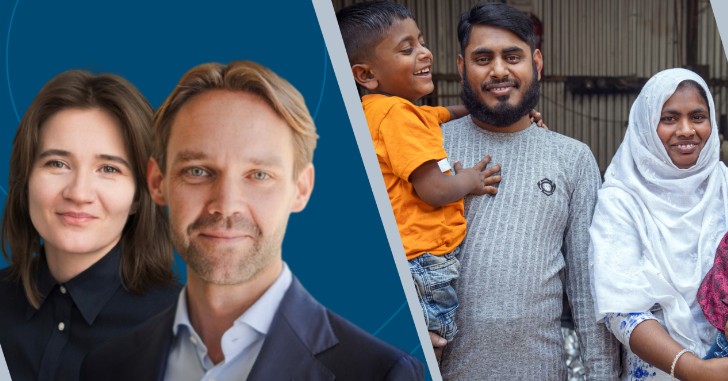
In a live Q&A session, Johan Bjurman Bergman and Lana Graf, PhD, explained how adaptable AI tools are already strengthening service delivery in developing economies. From improving agricultural productivity to enhancing health diagnostics and expanding educational access, AI applications are becoming increasingly practical and scalable.
Crucially, the World Bank Group has supported governments in building the foundations necessary for effective AI adoption, including digital skills, reliable data systems, and computing infrastructure. Partnerships with the private sector were highlighted as essential for scaling these innovations responsibly and affordably.
Measuring and Building Human Capital
The second event centered on the launch of the report Building Human Capital Where It Matters: Homes, Neighborhoods, and Workplaces. The report connects empirical research to policy by focusing on the real-world environments where human capital is formed and strengthened.
Speakers also introduced the expanded HCI+, which offers deeper regional and country-level data on health, education, and labor market performance. These insights help policymakers identify areas of stagnation and prioritize targeted investments. Ultimately, the discussions underscored that sustained progress requires coordinated policy reforms, smart investments, and cross-sector partnerships.
By linking Human Capital and AI, the World Bank Group framed development not as a choice between technology and people, but as a strategy that integrates both to promote inclusive and sustainable growth.
Reference
World Bank Group. (2026, February 20). From AI to human capital: Last week’s conversations. LinkedIn. https://www.linkedin.com/