
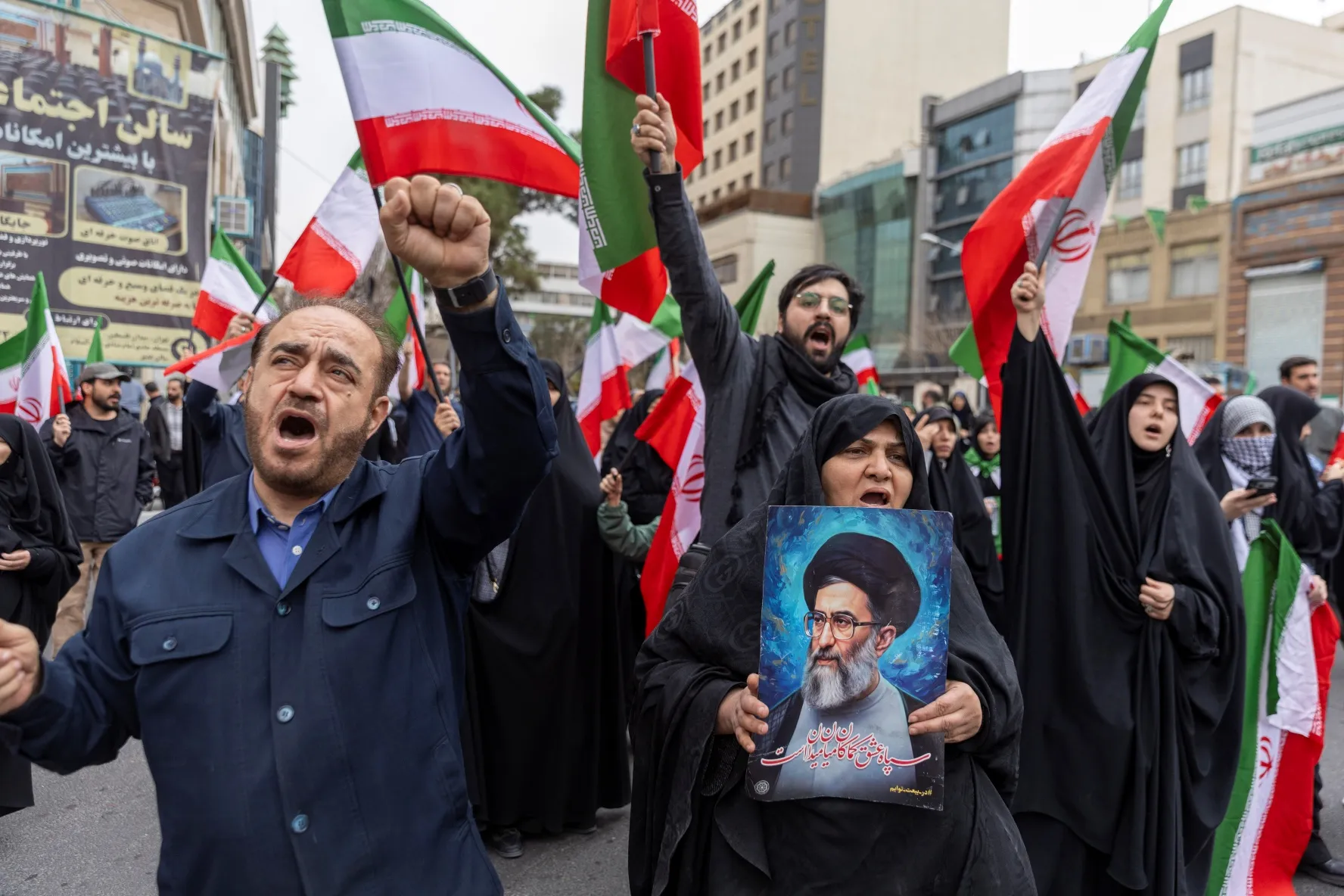
Context and Immediate Aftermath
The joint U.S.-Israel strike killed Iran’s supreme leader and shocked global politics, sparking widespread protests and retaliatory attacks.
Despite this blow, Iran’s entrenched power structures remain intact and resilient in the near term.
Uncertain Regime Change
Although some celebrated Khamenei’s death, real political transition is far from assured and may not yield a different system.
Moreover, Iran’s vast institutions and military networks cannot be dismantled quickly or easily.
Escalation of Conflict
Meanwhile, Iran has launched missiles and drones at multiple neighboring countries, widening the conflict’s scope.
This pattern illustrates today’s wars blending sophisticated and low-cost technologies.
Limits of Leaderships Targeting
Killing top leaders will not eliminate the regime’s underlying power or ideology. Likewise, a future government might struggle with deep economic needs and internal divisions.
Lack of Clear Planning
The decision to wage war lacked a defined post-conflict strategy, risking chaos and broader instability.
This vacuum mirrors past U.S. military interventions in the Middle East.
Possible Regime Outcomes
If the regime survives, repression could intensify and asymmetric retaliation grow.
Alternatively, a collapse could usher in civil strife or an even harsher government.
Civilian Tools Over Bombs
Expanding civilian influence tools might better support internal Iranian change than bombing alone.
Strengthening diplomacy and multilateral cooperation is essential for legitimate and sustainable transformation.
Regional and Global Implications
The strike challenges international legal norms by normalizing unilateral force without United Nations authorization.
Such precedents risk wider geopolitical instability and weakened global order.
Domestic Constitutional Issues
Finally, acting without congressional approval highlights deepening executive power in foreign affairs.
Historical presidential decisions show that seeking such approval has traditionally been a check and balance.
Source:
Maloney, S., Karlin, M., Felbab-Brown, V., Williams, S. T., Grewal, S., Heydemann, S., Rand, D. H., Aydıntaşbaş, A., Kirişci, K., … Galston, W. A. (2026, March 2). After the strike: The danger of war in Iran. Brookings. https://www.brookings.edu/articles/after-the-strike-the-danger-of-war-in-iran/