
Polarization in Contemporary American Politics
First, American politics have become increasingly polarized across ideological, cultural, and emotional dimensions. These divisions have deepened over time and continue shaping political competition.
However, another emerging divide cuts across traditional ideological differences. This division concerns how political actors understand the purpose and nature of democracy.
Positive-Sum vs. Zero-Sum Views of Democracy
On one side, some politicians view democracy as a positive-sum process pursuing the common good. Their goal is expanding collective well-being through cooperation and shared progress.
Conversely, others see politics as a zero-sum struggle between opposing groups. In this perspective, politics becomes a conflict where one side’s victory requires the other’s defeat.
Furthermore, identities such as race, religion, class or nationality often shapes this adversarial interpretation of politics. These frameworks divide society into opposing camps.
The Importance of Primary Elections
Meanwhile, primary elections have become the main area of political competition. Fewer than forty congressional districts regularly swing between parties.
Therefore, intra-party conflicts increasingly determine political outcomes. Internal factions within parties shape both candidate selection and future governance.
Divisions Within the Democratic Party
In the Democratic primary, both major candidates supported progressive policies. These included single-payer healthcare, higher taxation of wealthy individuals, and support for immigrant rights.
Nevertheless, their political styles reflected contrasting visions. One emphasized compassion, unity and moral appeals grounded in cooperation.
By contrast, another adopted a confrontational rhetoric rooted in indignation and moral opposition toward perceived systems of oppression.
Consequently, the Democratic divide reflects tension between empathetic coalition-building and combative justice-oriented activism.
Divisions Within the Republican Party
Similarly, Republican candidates shared many conservative positions, including support for lower taxes, gun rights, and limited government spending.
Yet their approaches differed significantly. One candidate represented traditional conservative leadership emphasizing institutions, alliances, and cross-party negotiation.
Meanwhile, another candidate embraced a combative political style focused on loyalty, identity politics, and aggressive partisan conflict.
Thus, the Republican divide reflects tension between institutional conservatism and populist, confrontational politics.
Cross-Cutting Political Dynamics
Interestingly, positive-sum politicians from opposing parties often share similar assumptions about democracy. They emphasize brand societal prosperity rather than narrow group victories.
In contrast, zero-sum politicians from different parties share a tendency to frame politics as a battle between competing social groups
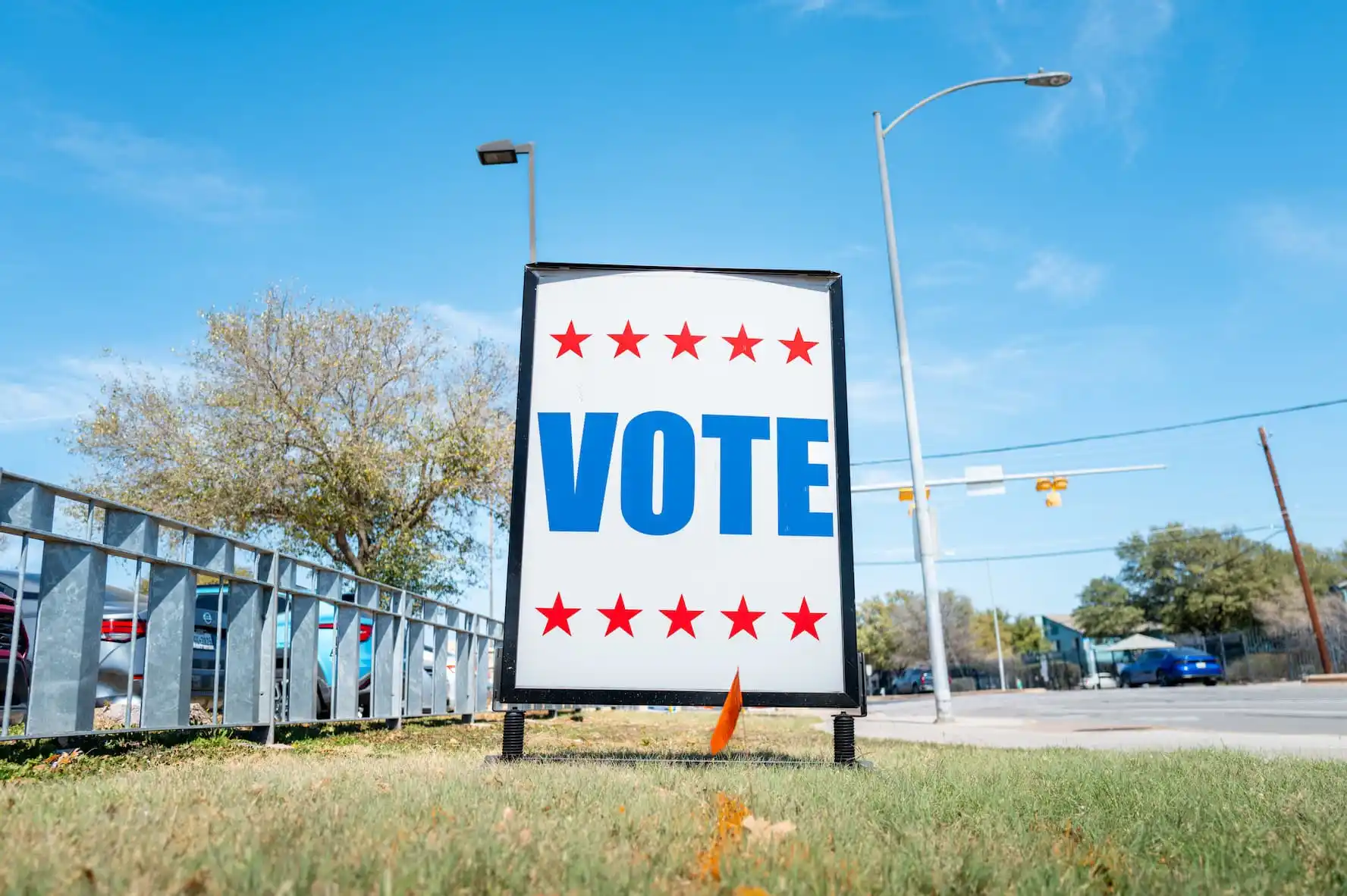
What the Texas Primaries Suggest
The Texas Senate primaries reveal an asymmetry between parties. Democratic voters favored a candidate emphasizing unity and cooperative politics.
Meanwhile, strong support for a confrontational Republican challenger indicates growing influence of zero-sum political thinking within the Republican coalition.
If this pattern spreads nationally, political conflict may intensify. Parties operating with fundamentally different views of democracy will struggle to find common ground.
Broader Implications for American Politics
Ultimately, the emerging divide concerns democratic philosophy rather than policy ideology. The key question is whether politics aims for collective improvement or partisan domination.
Consequently, the balance between these visions could shape the stability and functioning of American democracy in the coming years.
Source:
Barker, D. C. (2026, March 6). What the Texas primaries revealed about the divides within our divides. Brookings Institution. https://www.brookings.edu/articles/what-the-texas-primaries-revealed-about-the-divides-within-our-divides/