
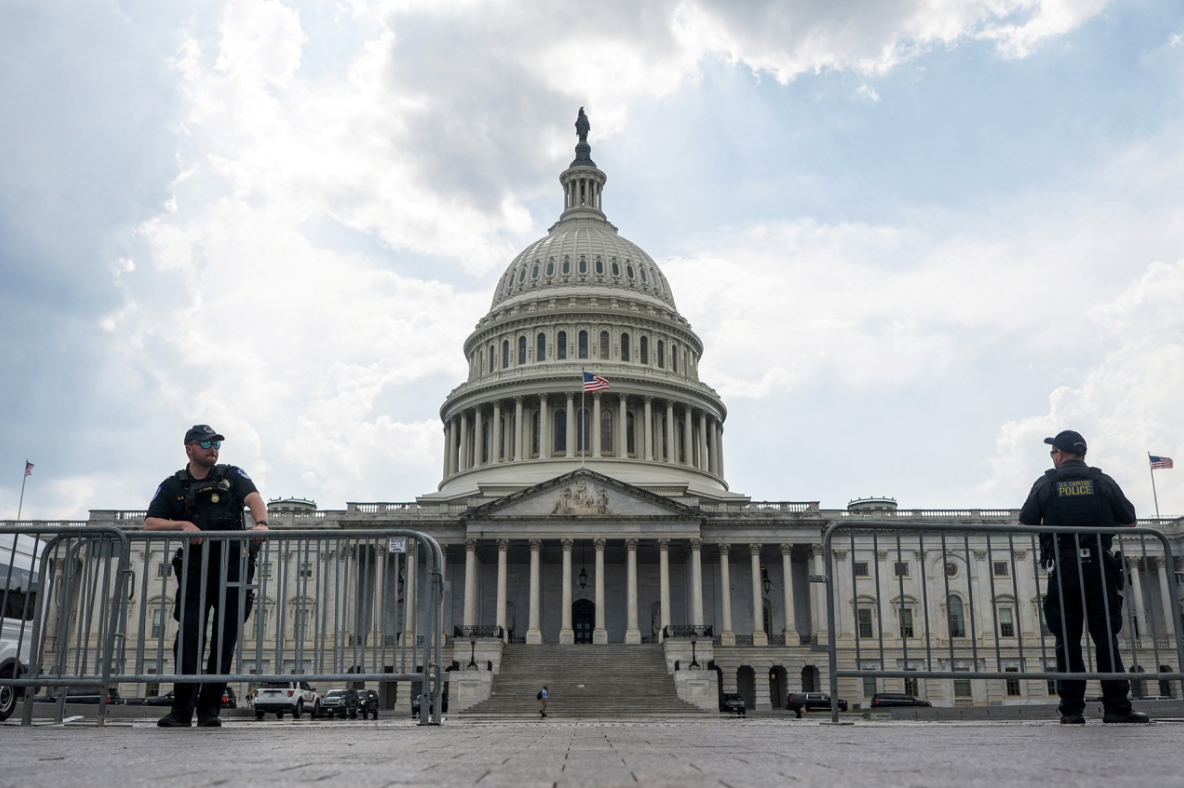
Rising Security Concerns
First, U.S. and Israel strikes against Iran increased concerns about retaliation inside the United States. Authorities warned about possible lone-wolf attacks, cyberattacks and other retaliatory actions.
Consequently, federal, state, and local agencies heightened security and monitoring across the country after the strikes began in late February 2026.
Meanwhile, incidents such as a mass shooting in Austin intensified fears that violence connected to geopolitical tensions could occur domestically.
Iran’s History of State-Sponsored Terrorism
Historically, Iran has used terrorism as a foreign policy tool since the establishment of the Islamic Republic in 1979.
For example, the seizure of fifty-two American hostages at the U.S. embassy in Tehran marked an early demonstration of anti-American militant strategy.
Subsequently, Iran supported attacks against Western targets, including bombings of U.S. diplomatic and military facilities during the 1980s and 1990s.
Covert Operations and Plots in the United States
In addition, Iran has conducted covert operations abroad to target political opponents and perceived enemies.
For instance, an Iranian dissident was assassinated near Washington, D.C., in 1980 by a gunman connected to the regime.
Later, Iranian operatives were implicated in a 2011 plot to assassinate the Saudi ambassador in Washington.
Furthermore, intelligence operations have attempted kidnappings or attacks against Iranian dissidents living in the United States.
Potential Methods of Retaliation
If the conflict intensifies, Iran could employ asymmetric warfare to pressure the United States.
Possible actions include sleeper agents, lone actors inspired by Iran, cyberattacks against infrastructure, and attacks on critical facilities.
Additionally, Iran and its allied groups possess cyber capabilities that could target American institutions and networks.
Challenges for U.S. Homeland Security
However, concerns exist about whether the U.S. government is fully prepared to manage these threats.
The Department of Homeland Security was created after the September 11 attacks to coordinate protection against foreign terrorist threats.
Yet policy priorities have recently shifted toward immigration enforcement rather than counterterrorism activities.
Moreover, workforce cuts in intelligence and law-enforcement agencies may have reduced institutional expertise in monitoring threats linked to Iran.
Long-Term Risk of Iranian Retaliation
Finally, retaliation from Iran could occur months or even years later, reflecting the regime’s history of delayed revenge.
For example, Iran-linked militants attacked Israeli and Jewish targets in Buenos Aires years after earlier regional conflicts.
Therefore, major public events in the United States could become symbolic targets for future retaliation.
Source:
Council on Foreign Relations. (2026). Iran and terrorism: What the U.S. strikes could mean for homeland security. https://www.cfr.org/articles/iran-and-terrorism-what-the-u-s-strikes-could-mean-for-homeland-security