
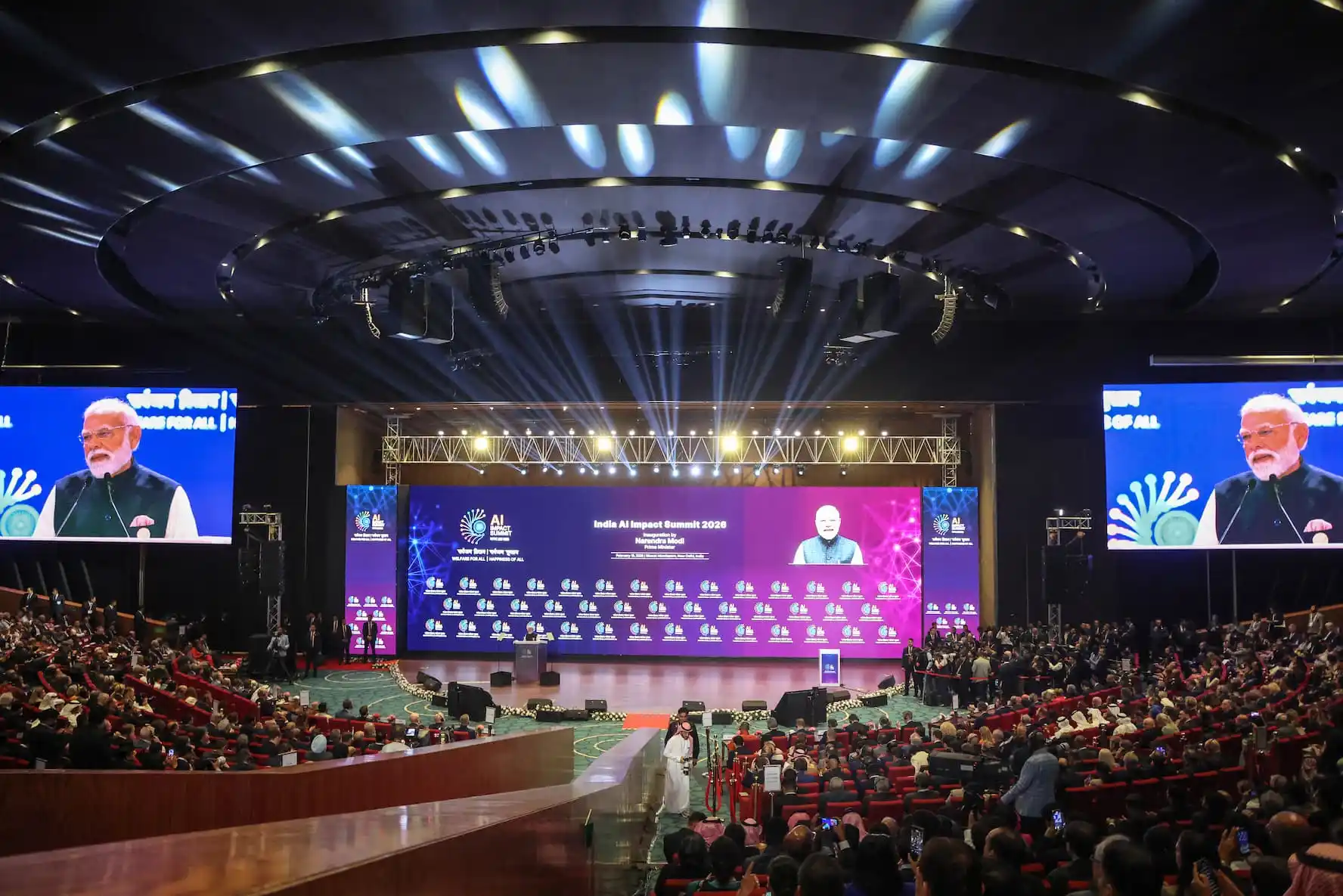
The recent India AI Impact Summit in New Delhi marked a major shift in the global tech landscape. In the past, these summits focused almost exclusively on AI safety and risks. However, this year’s event transformed into a massive public forum with 300,000 participants. This change signals a move toward democratizing AI and focusing on real-world development.
A New Approach to AI Sovereignty
A central theme of the summit was AI sovereignty. While some nations try to build a completely independent tech stack, the Brookings report suggests a different path. India is leading the way with “managed interdependence.” Instead of building everything from scratch, India uses its digital infrastructure to improve public services. Specifically, they focus on local needs, such as expanding AI to support India’s 22 official languages.
U.S. Strategy and Global Collaboration
The United States also presented a new perspective during the event. Washington is now promoting American chips and cloud services as tools for partner nations. The goal is to help allies build their own “sovereign” capabilities on top of U.S. technology. This strategy allows countries to maintain control over their sensitive data while using world-class hardware.
Finally, the summit resulted in the Delhi Declaration, signed by 91 nations including China and the EU. This document proves that the global priority has shifted toward AI diffusion. Although safety remains a fundamental pillar, the main goal now is to ensure that AI benefits drive economic and social growth worldwide.
Reference
Kerry, C. F., & Tabassi, E. (2026, March 12). Sovereignty, safety, and scale: Takeaways from the India AI Impact Summit. Brookings Institution. https://www.brookings.edu/articles/takeaways-from-the-india-ai-impact-summit/