
Expanding Use of Military Force
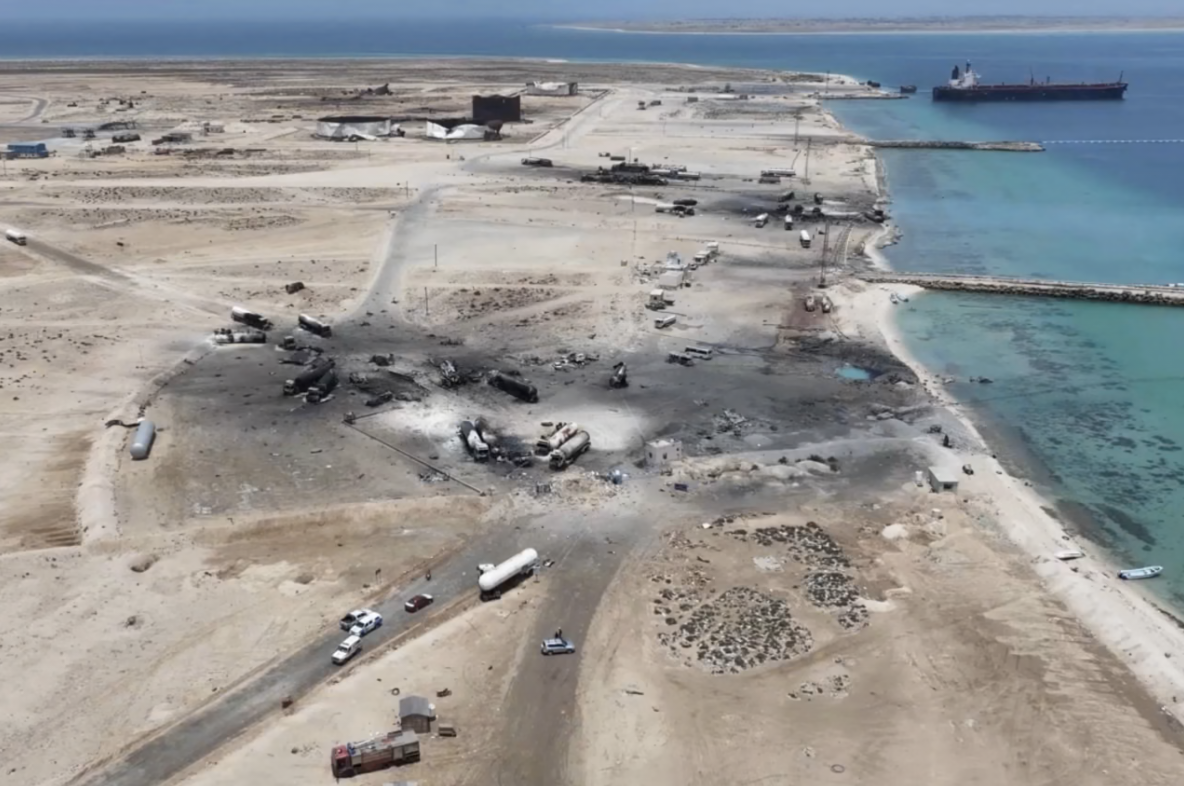
Since returning to power in 2025, the U.S. president Donald Trump has increasingly relied on military strikes and operations across several regions.
Continuity With Past U.S. Policy
Although rhetorically critical of foreign interventions, many actions resemble strategies used by previous administrations, particularly targeted strikes and counterterrorism operations.
Counterterrorism Operations in Africa
Meanwhile, military operations intensified in Somalia against al-Shabaab militants, reflecting a broader effort to weaken extremist groups through frequent airstrikes and special operations missions.
Operations in the Middle East
At the same time, U.S. forces carried out strikes in Iraq and Yemen, targeting militant groups and infrastructure considered threats to regional stability.
Escalation Against Iran
Furthermore, tensions with Iran contributed to additional military actions and preparations, increasing the risk of broader confrontation in the Middle East.
Actions in Latin America
In addition, military actions extended to Venezuela, where operations targeted government-linked facilities amid broader geopolitical tensions in the region.
Broader Geographic Scope
Consequently, U.S. strikes and operations have taken place across multiple countries, including Somalia, Iraq, Yemen, Iran, Nigeria, and Venezuela.
Strategic Rationale
Overall, these actions emphasize counterterrorism, deterrence, and geopolitical competition while avoiding large-scale troop deployments or prolonged ground wars.
Political and Legal Debate
Nevertheless, the expanded use of force has generated debate among policymakers and legal experts regarding oversight, escalation risks, and long-term strategy.
Source:
McGowan, A., Carlough, M., & Caloca, N. (2026, January 13). A guide to Trump’s second-term military strikes and actions. Council on Foreign Relations. https://www.cfr.org/articles/guide-trumps-second-term-military-strikes-and-actions