
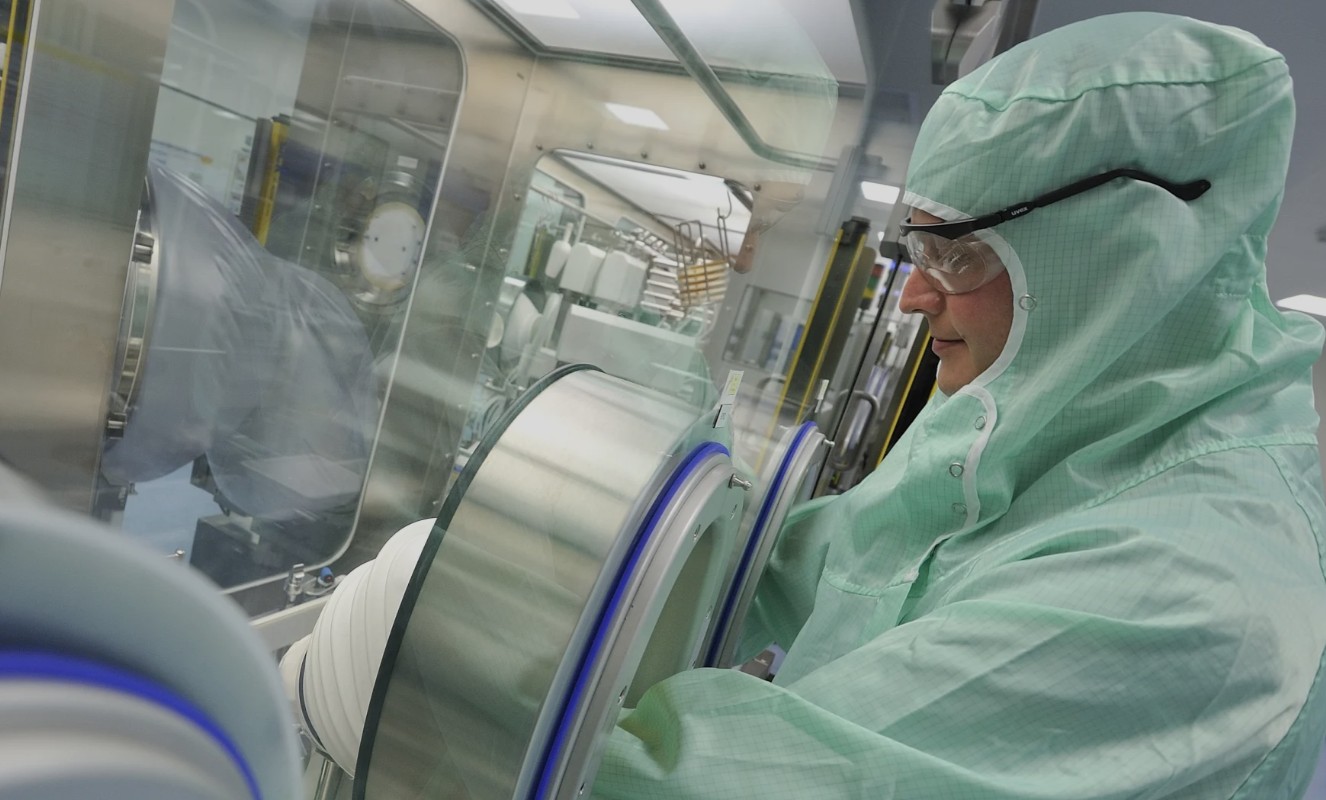
In the article “Improving Access to Essential Medicines Through Local Manufacturing in Africa,” published by the International Finance Corporation (IFC), Hlazo Mkandawire examines the structural challenges and opportunities facing Africa’s pharmaceutical sector. The author argues that the continent’s heavy reliance on imported medicines despite bearing a significant share of the global disease burden, makes local pharmaceutical manufacturing not only a health priority but also an economic and strategic imperative. Strengthening domestic production capacity is presented as a pathway to improve access to essential medicines, enhance resilience, and generate employment.
Africa’s Pharmaceutical Dependence Problem
Africa faces a structural imbalance in its healthcare system. Although the continent accounts for approximately 25% of the global disease burden, it imports more than 70% of its medicines. This dependence exposes populations to supply disruptions, price volatility, and limited access to critical treatments.
The consequences are particularly severe for low- and middle-income populations. Patients requiring essential medicines (such as insulin, vaccines, or antibiotics) are often vulnerable to shortages and unaffordable prices. These vulnerabilities became especially visible during global crises like the COVID-19 pandemic, when supply chains were disrupted and access to pharmaceuticals became more uncertain.
The Push for Vaccine Sovereignty
African policymakers have begun addressing this imbalance through ambitious regional strategies. Through the Africa Centres for Disease Control and Prevention (Africa CDC), governments have set a target of achieving vaccine sovereignty by 2040.
Reaching this goal requires a dramatic expansion of production capacity, estimated at 73 times current vaccine output levels. While ambitious, this objective reflects a broader shift toward reducing dependency on external suppliers and strengthening domestic healthcare systems.
Beyond public health, local pharmaceutical production is also framed as an economic opportunity. Expanding manufacturing capacity can create jobs, develop technical skills, and support industrialization across the continent.
The Role of Financing and Partnerships
A central argument of the article is that scaling Africa’s pharmaceutical industry depends on innovative financing models and strategic partnerships.
One key example is the collaboration between the World Bank Group’s IFC and Aspen Pharmacare. IFC arranged €1.1 billion in long-term financing, combining its own capital with funding from development finance institutions (DFIs). These investments aim to expand vaccine production, strengthen supply chains, and increase access to essential medicines across sub-Saharan Africa.
This case highlights how blended finance and syndicated deals can support large-scale industrial projects. It also shows the importance of aligning commercial objectives with development goals, particularly in sectors such as healthcare where market failures are common.
Structural Barriers to Growth
Despite these initiatives, several obstacles continue to limit the growth of Africa’s pharmaceutical sector:
- Fragmented markets that reduce economies of scale
- Weak regulatory frameworks
- Limited access to intellectual property and technology transfer
- Shortage of skilled labor
- High prevalence of counterfeit medicines
- Lack of long-term financing
These constraints make it difficult for local manufacturers to compete with global pharmaceutical firms and to scale production efficiently.
Building Sustainable Industrial Capacity
The IFC–Aspen partnership also illustrates how overcoming these barriers requires institutional innovation. IFC adapted its financing model (acting as an administrative agent and aligning with private-sector expectations) to facilitate collaboration between multiple stakeholders.
Beyond financing, the partnership includes technical assistance, support for energy efficiency, and potential investments in human capital development, such as the creation of pharmaceutical training institutions.
This broader approach reflects a shift from isolated projects toward long-term ecosystem building, where manufacturing, skills development, policy frameworks, and financing mechanisms evolve together.
Reference
Mkandawire, H. (2026, March). Improving access to essential medicines through local manufacturing in Africa. International Finance Corporation. https://www.ifc.org/en/stories/2026/