
Introduction
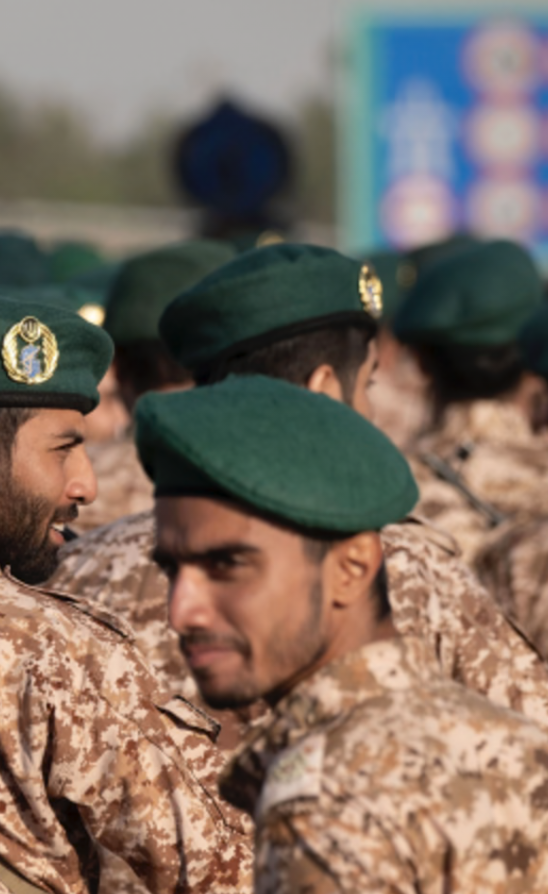
First, the Islamic Revolutionary Guard Corps (IRGC) emerged one of the most powerful institutions in Iran, shaping military power, domestic security, and economic influence.
Originally created to defend the Islamic Revolution, the organization now plays a central role in Iran’s regional strategy and internal political system.
Moreover, many governments criticize the group for supporting militant organizations and repressing domestic dissent.
Origins After the 1979 Revolution
Initially, Iran’s leaders created the IRGC following the overthrow of Shah Mohammad Reza Pahlavi in 1979.
At that time, revolutionary clerics distrusted the traditional military and therefore built a separate force loyal to the new Islamic regime.
Consequently, the organization reported directly to the supreme leader rather than elected political authorities.
Furthermore, its mission focused on protecting the revolution from coups, internal opposition, and foreign threats.
Growth During the Iran-Iraq War
Soon afterward, the Iran-Iraq War transformed the Guards into a larger and more institutionalized military force.
As the conflict intensified, the organization expanded its personnel, weapons systems, and political importance.
Eventually, the force developed branches similar to conventional militaries while maintaining strong ideological commitment to the Islamic Republic.
Organizational Structure
Currently, the IRGC includes ground forces, naval units, air forces, cyber units, and the Basij paramilitary network.
In addition, the Quds Force operates as its external operations branch, coordinating activities beyond Iran’s borders.
Altogether, the organization commands roughly hundreds of thousands of personnel, including volunteers and conscripts.
Regional Strategy and Foreign Operations
Over time, the IRGC developed relationships with armed groups across the Middle East.
Through training, funding, and weapons transfers, it supports partners in Iraq, Lebanon, Syria, Yemen, and the Palestinian territories.
Collectively, these relationships form what Iranian leaders call an “axis of resistance” against Western and Israeli influence.
Additionally, the Quds Force has participated in conflicts in Syria and Iraq and maintains influence through regional militias.
Domestic Political Influence
Meanwhile, the IRGC has become deeply embedded in Iran’s political system.
Many former commanders occupy positions in parliament, government ministries, and provincial administrations.
Furthermore, the organization plays a significant role in maintaining internal security and suppressing protests.
In several periods of unrest, paramilitary units linked to the IRGC reportedly used force against demonstrators.
Economic Power
Beyond security roles, the Guards oversee a vast network of economic enterprises across Iran.
These activities span infrastructure, energy, banking, shipping, and manufacturing sectors.
Consequently, government contracts and sanctions-related black markets have strengthened the organization’s financial resources.
Moreover, revenue from these activities helps fund military programs and regional operations.
International Controversies
Nevertheless, the IRGC faces widespread criticism from many Western governments.
Allegations include involvement in regional militancy, attacks linked to proxy groups, and repression of domestic protests.
Therefore, some international bodies and countries have designated the organization as a terrorist entity.
Conclusion
Overall, the Islamic Revolutionary Guard Corps functions as a military, political, and economic pillar of Iran’s Islamic Republic.
Consequently, its influence shapes Iran’s domestic governance, regional strategy, and relations with the international community.
Source:
Council on Foreign Relations. (n.d.). Iran’s Revolutionary Guards. Council on Foreign Relations. https://www.cfr.org/backgrounders/irans-revolutionary-guards