
Introduction
First, U.S. – China relations have shifted from confrontation toward a more restrained phase, where both sides test limits while avoiding escalation.
From Escalation to Recalibration
Initially, tariff wars and economic threats pushed both countries toward dangerous confrontation and mutual retaliation.
However, both sides stepped back after recognizing the high costs of uncontrolled economic conflict.
Emergence of Strategic Calm
Subsequently, a period of “strategic calm” emerged, emphasizing stability, dialogue, and limited cooperation despite persistent rivalry.
Moreover, pragmatic negotiations replaced ideological competition as the central mechanism of interaction.
Role of Personal Diplomacy
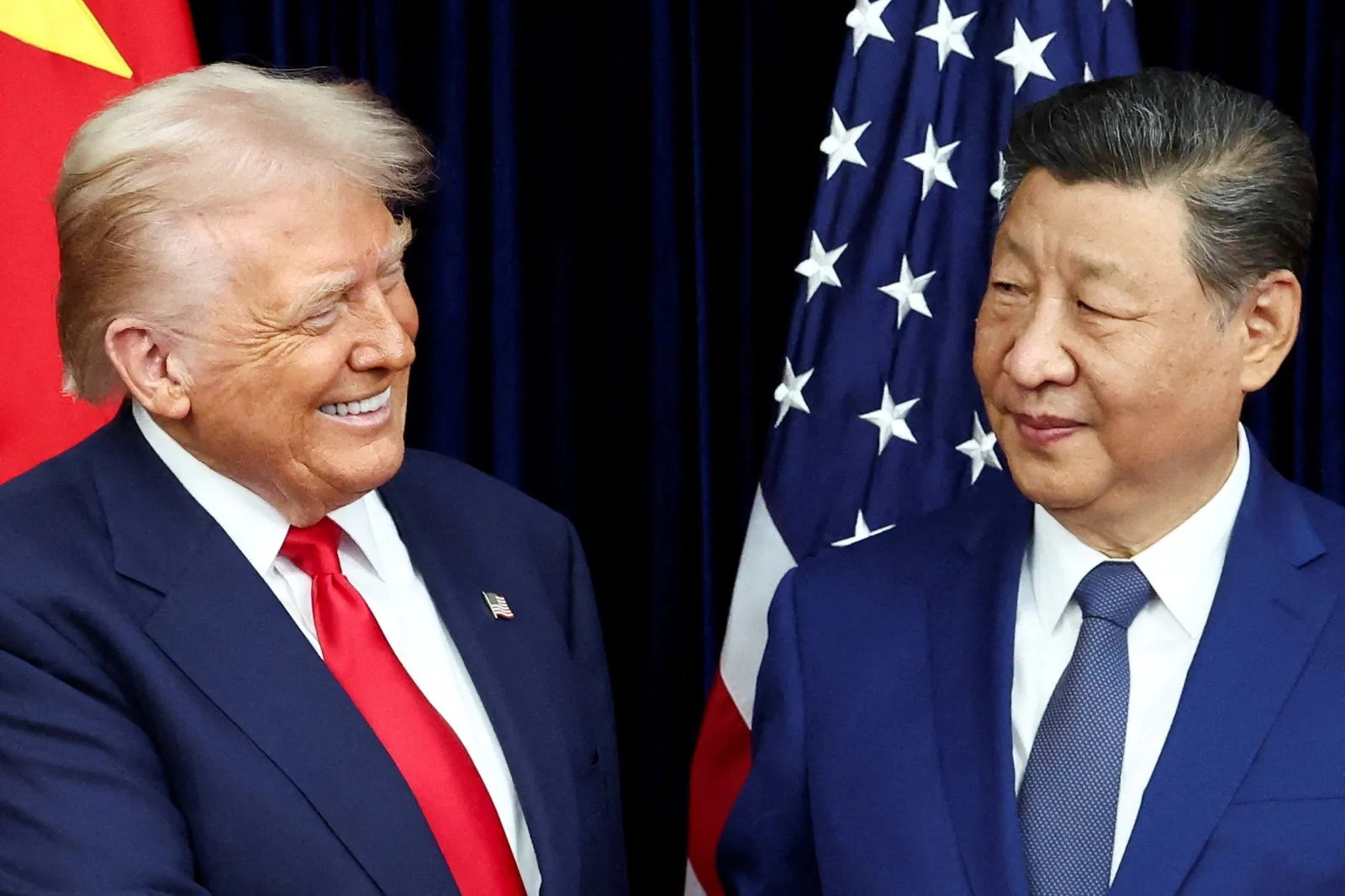
Meanwhile, personal engagement between leaders became a key stabilizing factor in bilateral relations.
Nevertheless, such rapport softened tensions without resolving deeper structural conflicts.
Shift in U.S. Strategy
At the same time, U.S. policy moved away from comprehensive strategic competition toward selective economic bargaining.
Consequently, tools like tariffs and export controls became negotiable instruments rather than fixed security measures.
China’s Calculated Approach
In contrast, China maintained a long-term strategy focused on stability, patience, and incremental gains.
Thus, Beijing avoided direct confrontation while continuing to advance core national interests.
Persistent Structural Tensions
Even so, fundamental disagreements over security, technology, and regional influence remained unresolved.
Therefore, the rivalry persisted beneath the surface of diplomatic engagement.
Risks of Misinterpretation
Additionally, reliance on personal diplomacy risked misreading intentions and creating policy inconsistency.
Hence, fluctuating signals increased uncertainty among allies and competitors alike.
The Case for Restraint
Ultimately, maintaining strategic calm required discipline, patience, and careful crisis management from both sides.
In conclusion, coexistence depended not on trust, but on managing competition without triggering escalation.
Source:
Foreign Affairs. (s. f.). Trump, Xi, and the case for strategic calm. Recuperado el 20 de marzo de 2026, de https://www.foreignaffairs.com/united-states/trump-xi-and-case-strategic-calm