
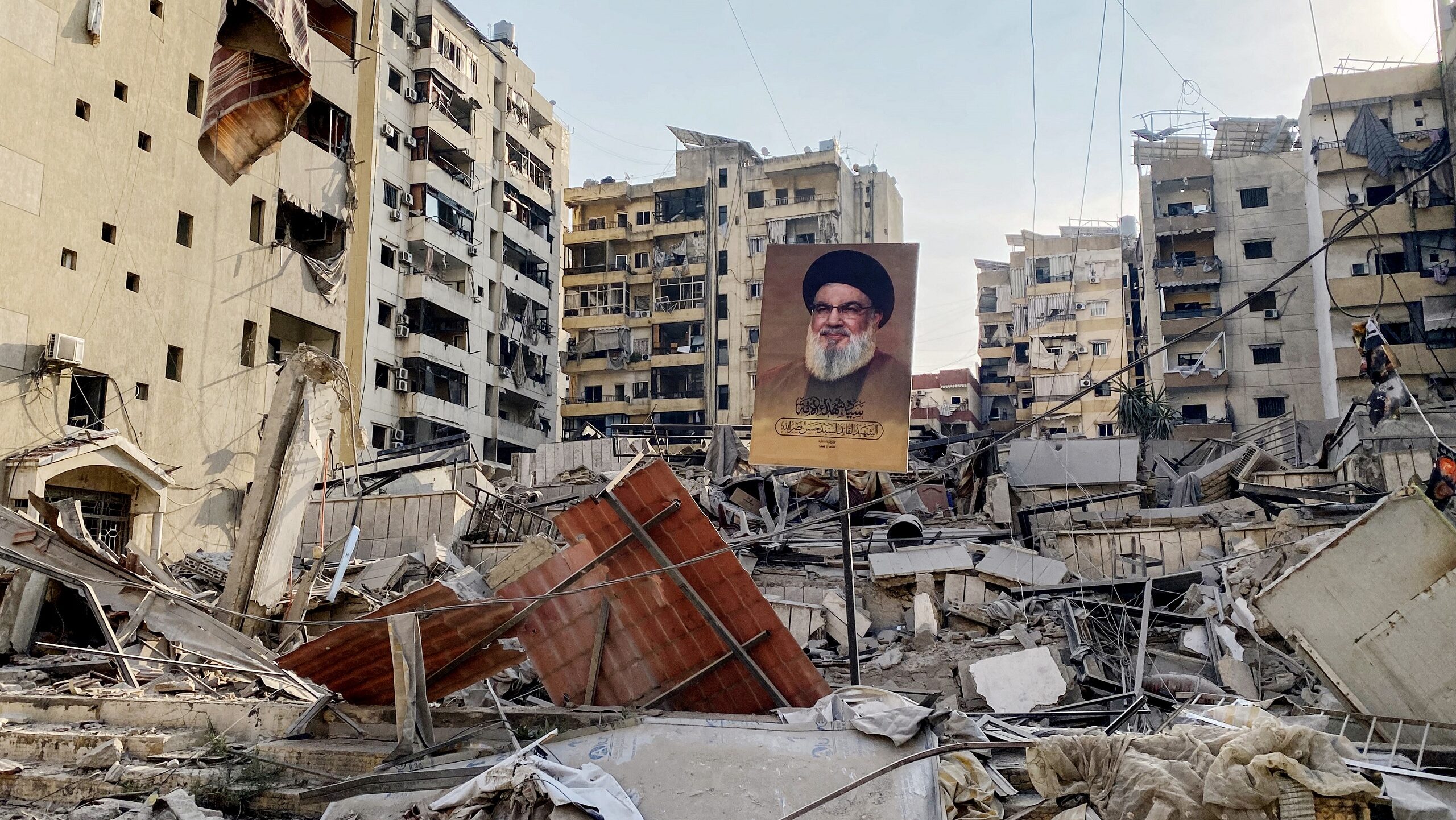
Oil prices and global financial markets reacted sharply on Monday as geopolitical tensions in the Middle East created uncertainty for investors and policymakers alike. While diplomatic signals hinted at possible de-escalation, ongoing threats and military developments kept markets volatile, particularly in the energy sector, where supply disruptions remain a central concern.
Oil zigzags
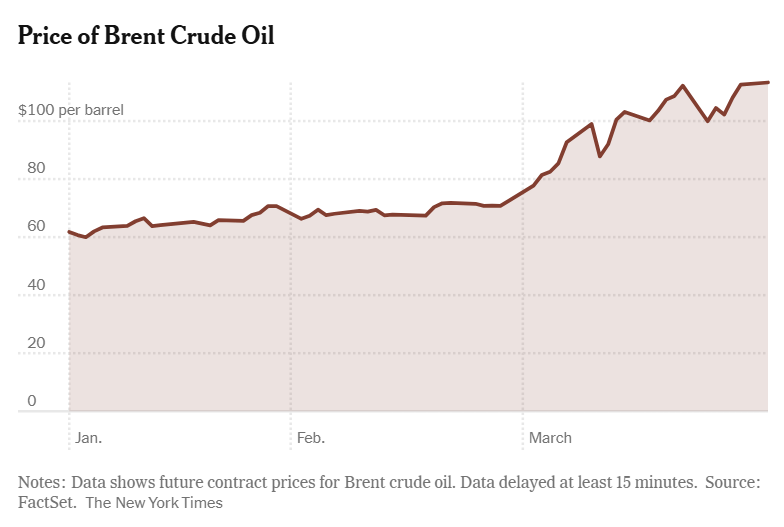
Oil markets reflected this uncertainty through sharp price swings. On one hand, Brent crude briefly surged above $115 per barrel before settling closer to $111, still significantly elevated compared to pre-conflict levels. On the other hand, US benchmark West Texas Intermediate rose more steadily, reaching $103 per barrel. This divergence highlights how traders continuously adjust expectations based on both geopolitical risks and supply disruptions.
These fluctuations reflected the market’s sensitivity to developments surrounding the Strait of Hormuz, a crucial route for global oil and natural gas trade. Statements suggesting that Iran might allow more ships to pass through the strait signaled some progress in negotiations. Yet, ongoing threats to key export hubs continued to influence price movements.
Stocks are mixed
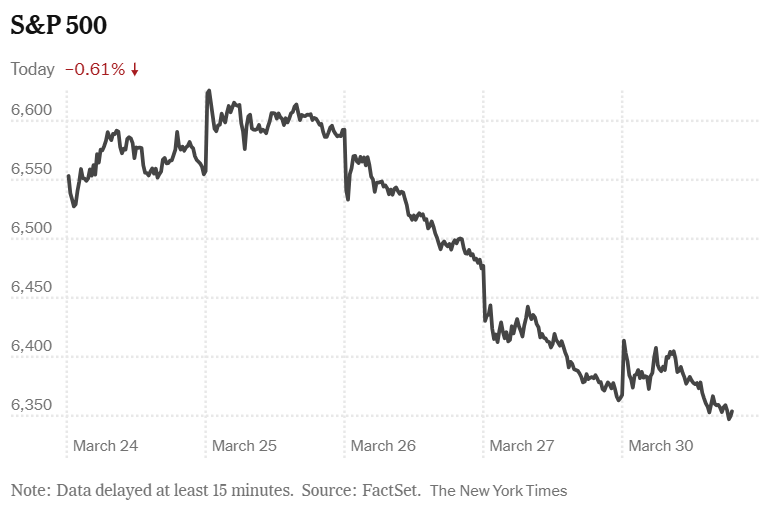
Stock markets responded unevenly across regions. In the US, the S&P 500 recorded slight gains, recovering only a small portion of its recent losses after several consecutive weeks of decline. Europe’s the Stoxx 600 rose by nearly 1 percent, indicating modest investor confidence. In contrast, Asian markets experienced notable declines, with Japan’s Nikkei 225 falling 2.8 percent and stocks in Korea dropping 3 percent, alongside decreases in Hong Kong and Taiwan. These movements reflected differing regional reactions to the evolving conflict and its potential impact on energy supplies and economic stability.
Gasoline prices steady
Fuel prices in the United States continued to rise as a result of increasing oil costs. The national average price of gasoline reached $3.99 per gallon, representing a significant increase since the start of the conflict. Diesel prices rose even more rapidly, climbing to $5.42. At the same time, the broader conflict showed signs of intensification, including a deadly explosion in southern Lebanon that killed UN peacekeepers. US officials indicated an expanded military presence in the Middle East. Policy responses in other regions have varied. For example, an increased coal use in Asia and free public transit measures in parts of Australia, reflected efforts to manage the economic impact.
References
The New York Times. (2026, March 29). Oil Wavers on Mixed Signals in Middle East Talks. The New York Times. https://www.nytimes.com/2026/03/29/business/oil-stocks-gasoline-prices-iran.html?smid=nytcore-android-share