
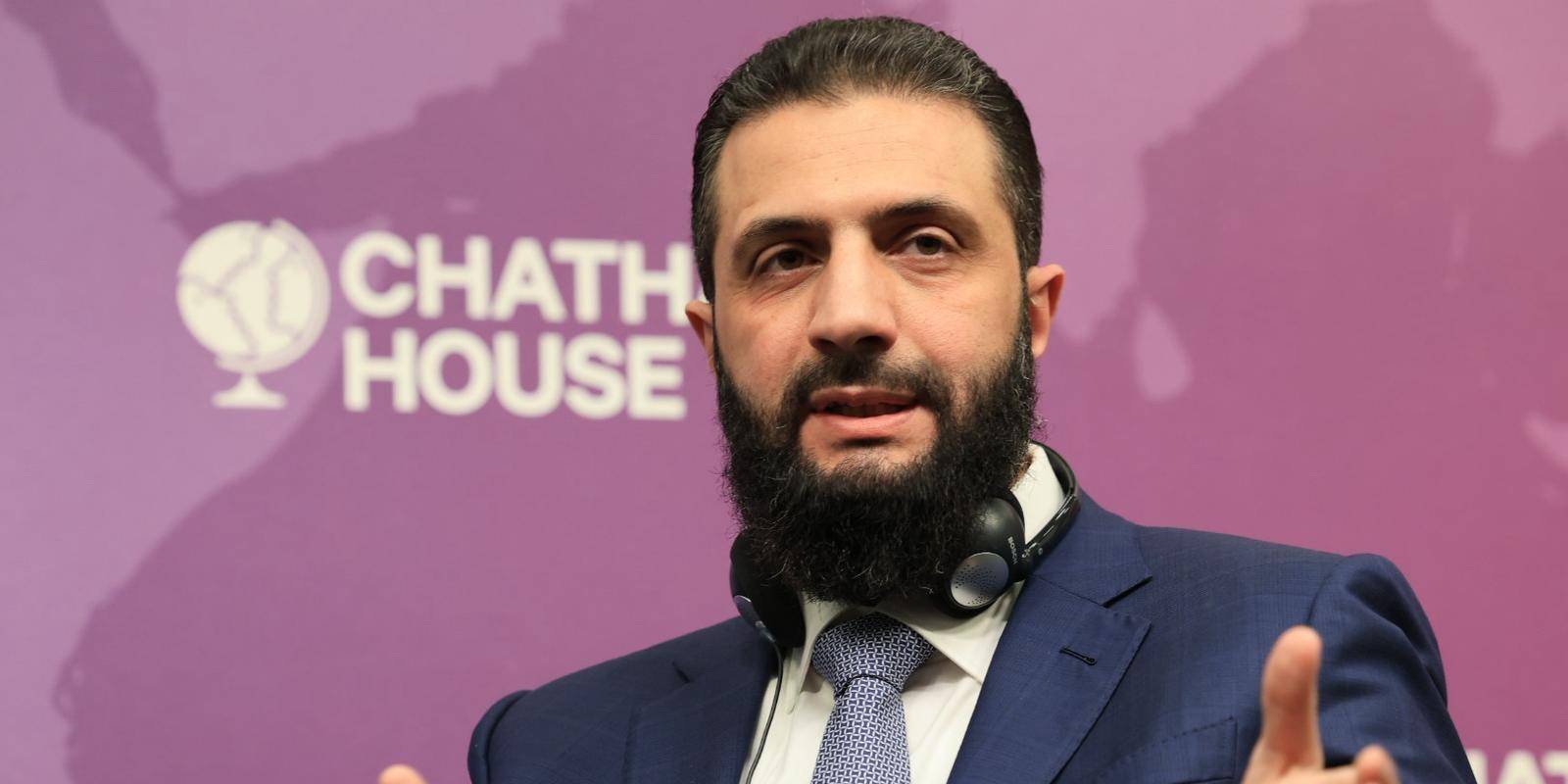
Syria is deliberately positioning itself outside the war involving Iran, signaling a cautious but significant shift in its regional posture. President Ahmed al-Sharaa emphasizes that the country does not intend to be drawn into another conflict after more than a decade of internal war. The priority is clear: avoid reopening a cycle of violence that could further weaken an already fragile state and undermine efforts at recovery.
This position reflects both necessity and strategy. Syria’s infrastructure, economy, and political institutions remain deeply affected by years of conflict, leaving little capacity to absorb the costs of renewed confrontation. Staying outside the war is therefore not only a diplomatic choice, but a condition for survival. The gradual restoration of state authority depends on maintaining a level of external calm.
At the same time, this stance is not absolute. Syria’s neutrality is framed as conditional, tied to whether it becomes directly targeted. The government signals that it would respond if attacked. In a region where conflicts often expand beyond their original scope, avoiding involvement depends as much on external actors as on Syria’s own decisions.
There is also a broader geopolitical recalibration taking place. Syria has long been closely aligned with Iran, relying on its support during the civil war. However, the current approach suggests an effort to diversify relationships and reduce dependence on any single actor. By avoiding direct alignment in the current conflict, Syria is attempting to create space for a more flexible foreign policy, one that allows engagement with a wider range of regional and international partners.
This shift is closely linked to efforts at diplomatic normalization. Rebuilding ties with Arab states and re-entering regional institutions requires a degree of political moderation and strategic restraint. Remaining outside the conflict helps present Syria as a more stable and predictable actor, which is essential for attracting investment, securing aid, and regaining legitimacy in the international system.
However, the risks surrounding this strategy are significant. Syria’s internal landscape remains fragmented, with multiple armed groups, foreign military presences, and unresolved political tensions. These factors limit the government’s full control over its territory and increase the possibility that external actors could use Syrian ground to advance their own agendas. Even without direct intention, the country could become entangled in the conflict through indirect means.
Regional dynamics further complicate the situation. The war involving Iran carries implications for neighboring states, energy routes, and broader security alignments. In such a context, maintaining neutrality is a matter of constant negotiation and restraint. Any escalation could quickly disrupt Syria’s position and draw it into a conflict it seeks to avoid.
In the end, Syria’s attempt to remain outside the war requires balancing internal fragility with external pressures, while navigating a regional environment where control is limited and risks are persistent. Whether this strategy can hold will depend not only on Syria’s choices, but on the broader trajectory of the conflict and the behavior of other actors involved.
Reference: Chatham House. (2026, April). Syrian President al-Sharaa on Iran war: Syria will remain outside conflict. Chatham House. https://www.chathamhouse.org/2026/04/syrian-president-al-sharaa-iran-war-syria-will-remain-outside-conflict