
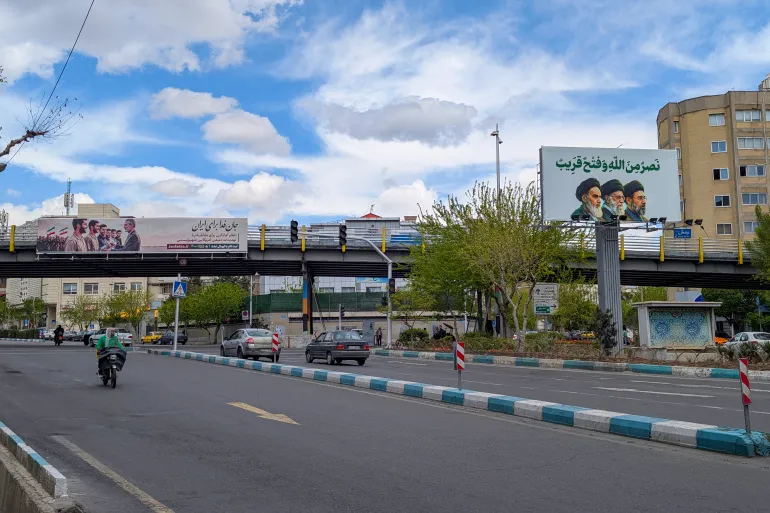
The Transition from Existential Dread to Competitive Celebration
By the evening of April 8, 2026, the streets of Tehran and Washington have transitioned from the tension of an imminent “Stone Age” strike to a state of cautious celebration. The Al Jazeera report highlights that both governments are actively framing the two-week pause as a unilateral triumph. Consequently, the “Sigh of Relief” felt by the civilian population is being funneled into state-sponsored narratives of success. This suggests that the “Information War” has now become as critical as the physical one, as both administrations need to justify the heavy costs of the conflict to their respective domestic audiences.
Origins and the “Sovereignty vs. Strength” Rhetoric
Originally, the conflict was driven by non-negotiable demands regarding the Strait of Hormuz and regional influence. However, the origin of the current “Sigh of Relief” lies in the successful use of Back-Channel Diplomacy (Article #94) that allowed for a face-saving pause. For 2026, the Iranian leadership is framing the suspension as a “Victory for the Resistance,” claiming that their “Human Chain” strategy (Article #87) and domestic resilience forced the U.S. to back down. Simultaneously, the U.S. administration is framing it as a “Victory for Maximum Pressure,” asserting that the credible threat of total destruction brought Tehran to the table. Furthermore, the report emphasizes that the Digital Silk Road infrastructure is being used to broadcast these competing victories to regional allies.
The Structure of the “Suspension Economy”
The structure of the Iranian economy has shifted instantly from “War Footing” to “Suspension Mode.” Specifically:
- Market Rebound: The Iranian Rial and regional stock markets have seen a sharp, albeit volatile, recovery as the immediate threat to power plants and refineries is lifted.
- Resource Reallocation: The government is shifting focus from “Passive Defense” to addressing the severe shortages of food and medicine caused by the ongoing blockade.
- Institutional Friction: The article highlights the tension within the IRGC, where hardliners are skeptical of the pause, fearing it is a U.S. “Trojan Horse” designed to weaken their defensive readiness before a later strike.
Synthesis of the “Winner’s Paradox” and the Looming Deadline
The successful maintenance of this reprieve now faces a paradox: by claiming “Victory” so loudly, both sides make it politically harder to make the actual concessions required for a permanent peace. This represents a classic Bargaining Trap where the domestic need for strength undermines the diplomatic need for compromise. There is a clear intent among the population to return to normalcy, but the underlying structural issues—the blockade and the “15-Point” framework—remain entirely unresolved. Ultimately, it is clear that the “Sigh of Relief” is a temporary anesthetic; unless the two-week window is used for genuine movement, the return of the deadline will be even more psychologically devastating for a population that has just tasted the possibility of peace.
Reference
Al Jazeera. (2026, April 8). Iranians breathe a ceasefire sigh of relief as all sides claim victory. Al Jazeera News Middle East. https://www.aljazeera.com/news/2026/4/8/iranians-breathe-a-ceasefire-sigh-of-relief-as-all-sides-claim-victory