
The Transition from Strategic Shock to “Structural Anxiety”
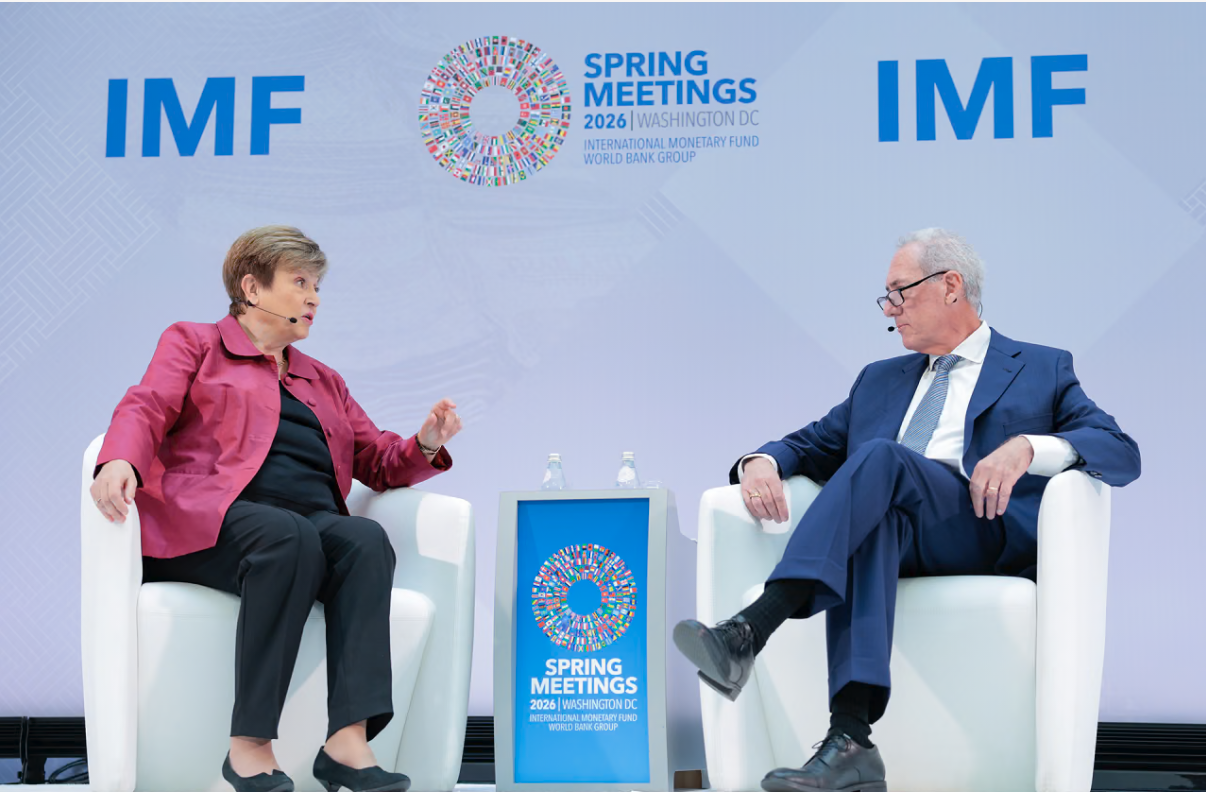
By mid-April 2026, the global economy has transitioned from the initial panic of the Iran war’s outbreak to a state of Structural Anxiety. The CFR analysis highlights a surprising paradox: despite the Strait of Hormuz being closed for over a month (Article #105) and a quintupling of U.S. tariffs, global growth has proven remarkably resilient. However, Froman warns that this resilience has bred a dangerous complacency. Consequently, the focus in Washington has shifted from immediate crisis management to the long-term “scarring” of global trade routes and the depletion of fiscal buffers across the G20.
Origins and the “Asymmetric Cost” Distribution
Originally, analysts feared a synchronized global recession similar to the 1970s oil shocks. However, the origin of the current stability lies in the U.S. Energy Independence and the rise of AI-driven productivity, which have insulated the American economy from the worst effects. For 2026, the real danger is the “Asymmetric Distribution” of costs. While the U.S. remains robust, low-income energy importers in the South Pacific and Gulf states are facing catastrophic inflationary pressures. Furthermore, the report emphasizes that the April 13 Islamabad Impasse (Article #107) has eliminated the “best-case scenario” of a clean return to the status quo ante, as insurers and shippers now view the Gulf as a permanently high-risk zone.
The Structure of the “Complacency Trap”
The structure of the case against complacency is organized around three systemic vulnerabilities identified at the IMF meetings:
- Fiscal Exhaustion: Public debt in France, Italy, and the U.S. is approaching or crossing 100% of GDP, leaving policymakers with no “firepower” to absorb a second shock if the Lebanon fire (Article #110) spreads.
- The “Sticky” Inflation of Conflict: Even with the ceasefire, the “War-Risk Premiums” on maritime insurance are not fading, creating a permanent inflationary floor for global commodities.
- Institutional Friction: There is a growing rift between the “G7 Narrative” of resilience and the “Global South Reality” of debt distress, as nations bearing the greatest costs are not the ones reaping the rewards of the new “Electrostate” transition (Article #112).
Synthesis of the “Post-Liberation Day” Reality and Global Fragility
The successful weathering of the initial Iran strikes now faces a paradox: the “Normalization of Crisis.” This represents the “Complacency Trap” in Political Science—where leaders assume that because the system didn’t break in March, it won’t break in May. There is a clear intent in the CFR analysis to signal that we are in a “Post-Liberation Day” era where the old rules of global trade no longer apply. Ultimately, it is clear that while the global economy hasn’t collapsed, it has been “rewired” under duress; the Case against Complacency argues that we are currently living in the “eye of the storm,” not the end of it.
Reference
Froman, M. (2026, April 17). Iran, the global economy, and the case against complacency. Council on Foreign Relations. https://www.cfr.org/articles/iran-the-global-economy-and-the-case-against-complacency