
The Transition from “Total Attrition” to a Negotiated Interval
By April 18, 2026, the conflict between Israel and Hezbollah has transitioned from the high-intensity “Operation Eternal Darkness” to a Formal Ten-Day Ceasefire. The report highlights that after two weeks of devastating aerial strikes and cross-border skirmishes, both parties have agreed to a pause facilitated by French and Omani mediators. Consequently, the focus has shifted from kinetic operations to the establishment of a “verification mechanism.” This suggests that even as the Islamabad Impasse (Article #107) persists between the U.S. and Iran, the “Lebanon front” is being treated as a separate, albeit linked, diplomatic track.
Origins and the “Humanitarian Breaker”
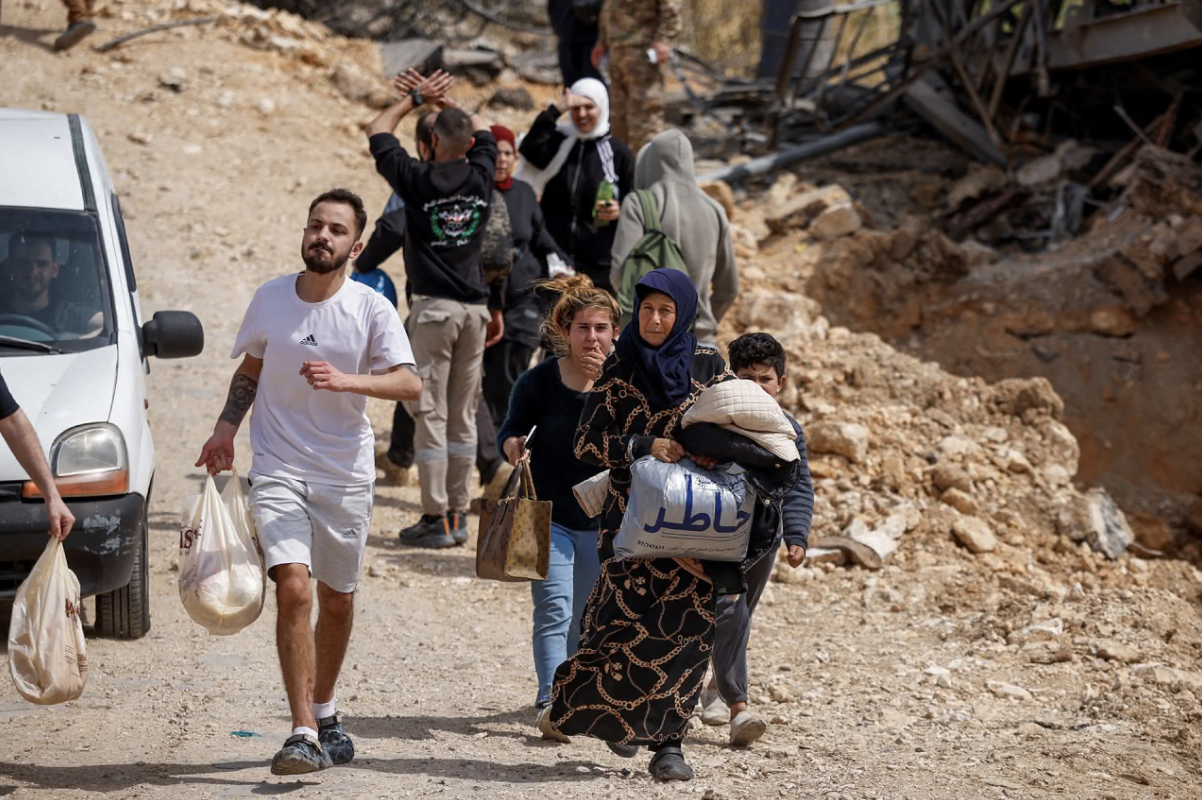
Originally, the Israeli government signaled that it would not stop until Hezbollah was pushed entirely north of the Litani River. However, the origin of this ten-day pause lies in the Extreme Humanitarian Pressure (Article #110) and the threat of a total Lebanese state collapse. For 2026, the ceasefire is designed as a “humanitarian breaker” to allow for the burial of the dead, the evacuation of the wounded from southern villages, and the delivery of “ReliefEU” supplies. Furthermore, the report emphasizes that the April 17 Pope Leo Visit to Africa served as a moral backdrop, increasing the political cost for Western powers to continue providing diplomatic cover for the destruction of Beirut’s infrastructure.
The Structure of the “Omani Verification Model”
The structure of the pause is organized around three strict conditions to prevent a “re-arming” window:
- Static Positioning: All Hezbollah units are required to cease movement of heavy weaponry, while the IDF must halt overflights of Lebanese airspace.
- The UNIFIL+ Protocol: A temporary expansion of UNIFIL’s mandate to include French and Omani technical observers tasked with monitoring the “Blue Line” via satellite and ground sensors.
- Institutional Friction: The article highlights the “Deep Skepticism” within the Israeli Security Cabinet, where hardliners argue that ten days is exactly the amount of time Hezbollah needs to recalibrate its “Axis of Resistance” drones for a post-ceasefire surge.
Synthesis of the “Decoupling” Strategy and the 240-Hour Clock
The successful implementation of this pause now faces a paradox where Temporary Quiet may undermine Long-term Settlement. This represents the “Ceasefire Trap” in Political Science—where a pause intended for aid is used by both sides to dig deeper trenches. There is a clear intent among European leaders to use these 240 hours to “decouple” Lebanon from the broader Iran war, hoping that if Lebanon stays quiet, Tehran might feel more isolated at the next summit. Ultimately, it is clear that for 2026, the “Ten-Day Ceasefire” is not a peace treaty, but a high-stakes timeout in a game where both players still have their hands on the trigger.
Reference
Council on Foreign Relations. (2026, April 18). Ten-day ceasefire takes effect in Lebanon. CFR Middle East Briefs. https://www.cfr.org/articles/ten-day-ceasefire-takes-effect-in-lebanon