
The Transition from Total Blockade to Reciprocal Access
By late April 2026, the diplomatic landscape has transitioned from a period of unconditional demands to the exploration of a “functional compromise.” The Council on Foreign Relations analysis highlights a new proposal known as the “Open-for-Open” deal, which aims to break the deadlock between Washington and Tehran. The core of the strategy is a synchronized reopening: the United States would lift its total maritime blockade of Iranian ports in exchange for Iran guaranteeing the safe, unhindered passage of global commercial shipping through the Strait of Hormuz. Consequently, the focus has shifted from military capitulation to a “de-escalation through logistics,” suggesting that both sides are seeking an exit strategy from a war that has become economically ruinous for the entire world.
Origins and the “Sanctions-for-Security” Framework
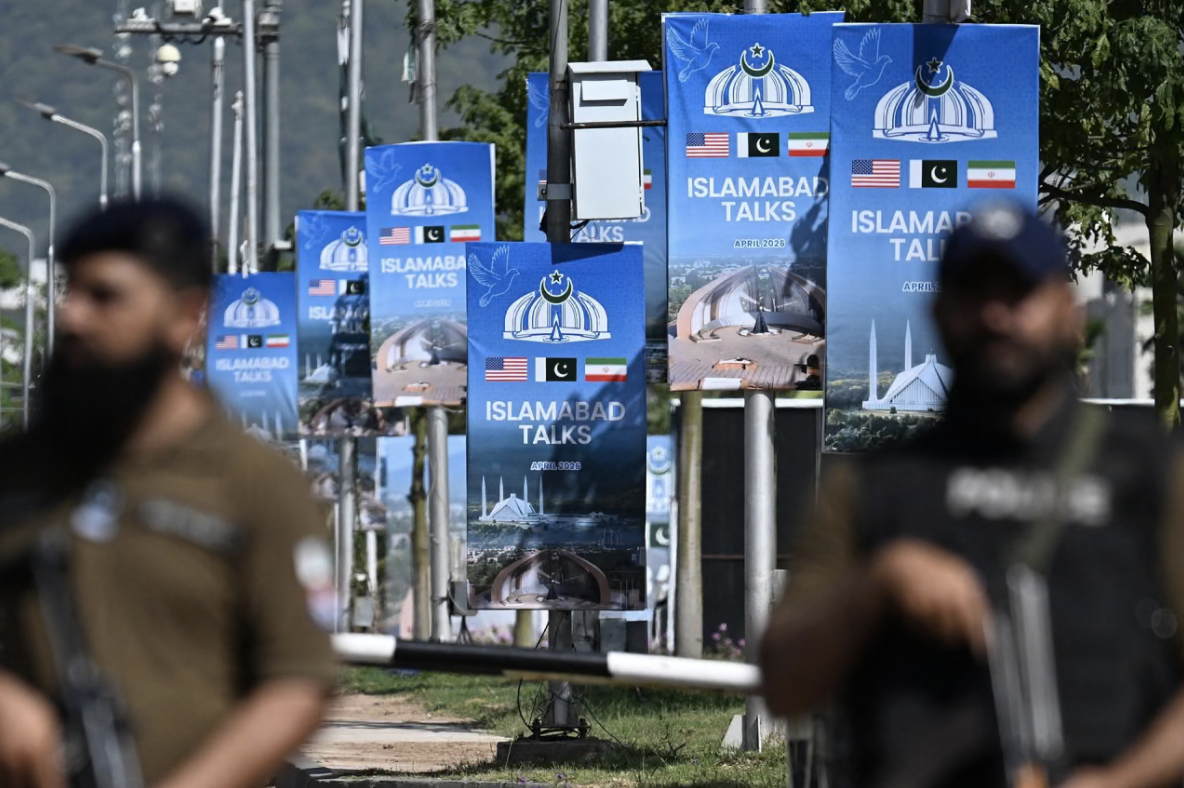
Originally, the U.S. administration insisted that the blockade would remain until Iran’s nuclear program was fully dismantled and its missile sites inspected. However, the origin of this current “Open-for-Open” initiative lies in the failure of the Islamabad Summit and the realization that neither side can achieve its maximum objectives through attrition alone. For 2026, this proposal offers a “Sanctions-for-Security” framework where Iran regains the ability to export oil and receive humanitarian goods, while the global economy receives a “security dividend” through the restoration of the world’s most vital energy artery. Furthermore, the report emphasizes that the pressure from energy-starved allies in Europe and Asia has made this reciprocal deal the only viable path to preventing a global depression.
The Structure of the Monitoring Dilemma
The structure of the “Open-for-Open” proposal is organized around three layers of technical and political friction. First is the verification problem; for the deal to work, a neutral third party, likely a joint task force involving Oman and the UN, would need to monitor Iranian ports to ensure that “humanitarian” imports are not being used to rebuild prohibited military infrastructure. Second is the “axis of resistance” variable, as the report questions whether Tehran can truly guarantee the behavior of its regional proxies if they feel the deal ignores their specific interests. Finally, the article highlights the domestic political risk for the U.S. administration, which must sell a deal that “allows” Iranian exports to a domestic audience that has been told for months that nothing short of total victory is acceptable.
Synthesis of the Exit Strategy and the Stability Risk
The successful implementation of an “Open-for-Open” deal now faces a paradox where the pursuit of economic relief may create a permanent “low-level conflict” status quo. This represents the “Exit Strategy Dilemma” in political science, where a pragmatic peace is criticized for being a “reward” for aggression. There is a clear intent in the CFR analysis to present this as a middle path that avoids a broader regional conflagration while maintaining long-term containment. Ultimately, it is clear that for 2026, the “Open-for-Open” concept is the most serious diplomatic opening since the start of the war, proving that even in a “Stone Age” campaign, the reality of global interdependence eventually forces a return to the negotiating table.
Reference
Council on Foreign Relations. (2026, April 19). An “Open-for-Open” Hormuz deal could break the Iran stalemate. CFR Global Memo. https://www.cfr.org/articles/an-open-for-open-hormuz-deal-could-break-the-iran-stalemate