
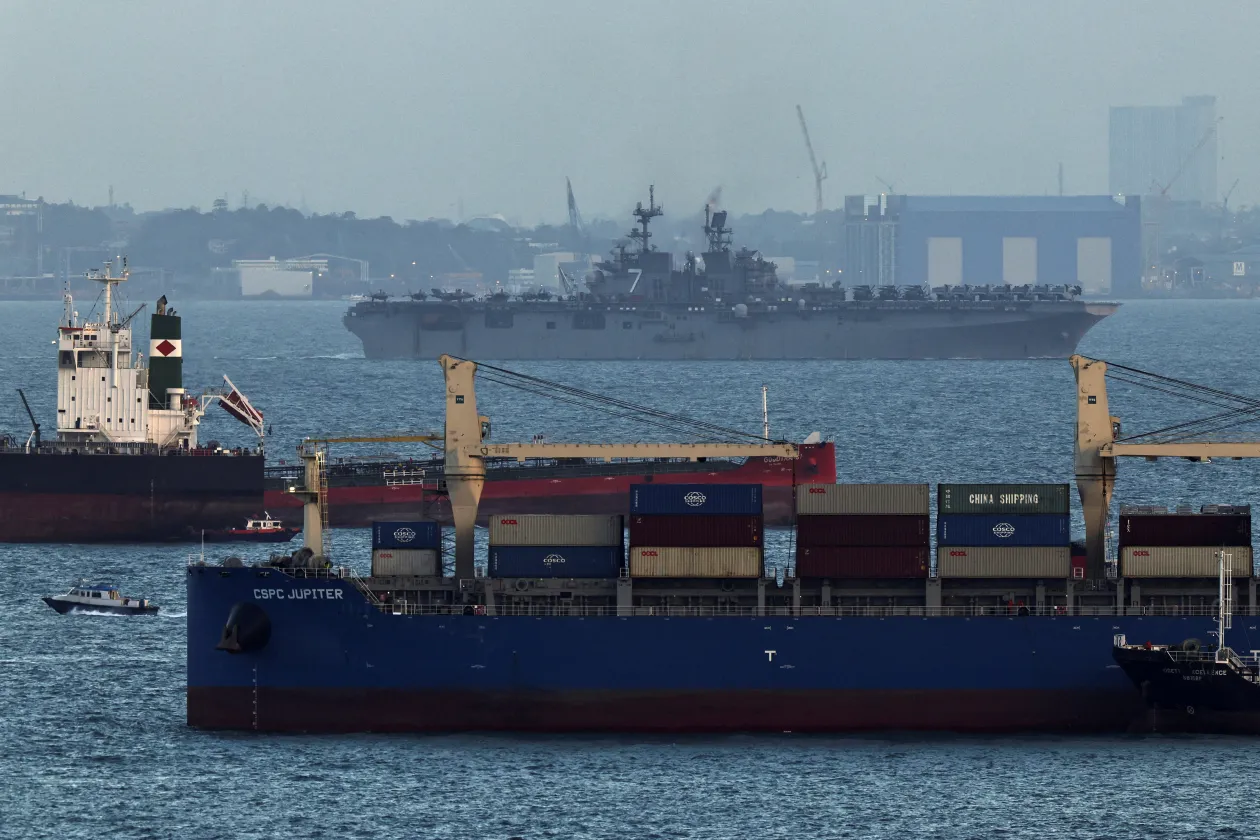
What is the connection between the energy crisis in the Middle East and rising tensions in East Asia? The recent Foreign Affairs article, “Hormuz Is a Warning for the Indo-Pacific: The Coming Contest for Asia’s Waterways,” provides an alarming answer. The current disruptions in the Strait of Hormuz are a direct mirror of the threats that could soon paralyze Asian trade routes.
Therefore, analyzing this essay helps us understand why maritime security in the Indo-Pacific is facing an unprecedented threat.
The central thesis of the article is straightforward. The text argues that Iran’s hostile actions in the Strait of Hormuz, such as seizing commercial vessels and enforcing illegal tolls, are not an isolated regional issue. Instead, they represent a dangerous tactical blueprint that China could easily replicate in Asia.
Furthermore, the author warns that controlling global chokepoints no longer requires massive, traditional naval fleets. Today, asymmetric technology allows state and non-state actors to disrupt global trade with relative ease.
Key Threats to Maritime Security in the Indo-Pacific
- The Mirror Effect of Iranian Tactics
Beijing is closely watching the international response to Tehran’s maritime defiance. If Western powers tolerate the erosion of international law in Hormuz, China will feel legitimized to enforce similar blockades in the Taiwan Strait or the Strait of Malacca.
2. Extreme Vulnerability of Global Supply Chains
More than 60 percent of global maritime trade passes through Asian waters. Consequently, a prolonged blockade in this region would trigger a global economic collapse. This fallout would far exceed any energy crisis previously experienced in the Middle East.
3. The Multilateral Response of Allies
To counter this growing threat, the article highlights the critical role of alliances like the Quad (the United States, Japan, India, and Australia). These nations have aggressively expanded satellite surveillance and data-sharing. The primary objective is to safeguard maritime security in the Indo-Pacific before a crisis erupts.
The greatest strength of this analysis is its ability to connect two distant geopolitical theaters. Traditionally, Persian Gulf security and deterrence in the South China Sea were studied in silos. However, this text proves that maritime pressure strategies are completely transferable.
On the other hand, the text exposes a profound irony. The blockade of Hormuz directly hurts China’s economy, as Beijing heavily relies on Middle Eastern crude oil. Despite this, the normalization of these illegal tactics gives Beijing the perfect pretext to claim absolute sovereignty over its own adjacent waters.
In conclusion, “Hormuz Is a Warning for the Indo-Pacific” is essential reading for understanding contemporary international politics. Passivity in the Middle East today directly paves the way for a catastrophic conflict in Asia tomorrow. Therefore, preserving the freedom of the seas requires firm, coordinated deterrence right now.
Reference
Blackwill, R. D., & Fontaine, R. (2026). Hormuz Is a Warning for the Indo-Pacific: The Coming Contest for Asia’s Waterways. Foreign Affairs, 105(3), 45–58. https://www.foreignaffairs.com/china/hormuz-warning-indo-pacific