
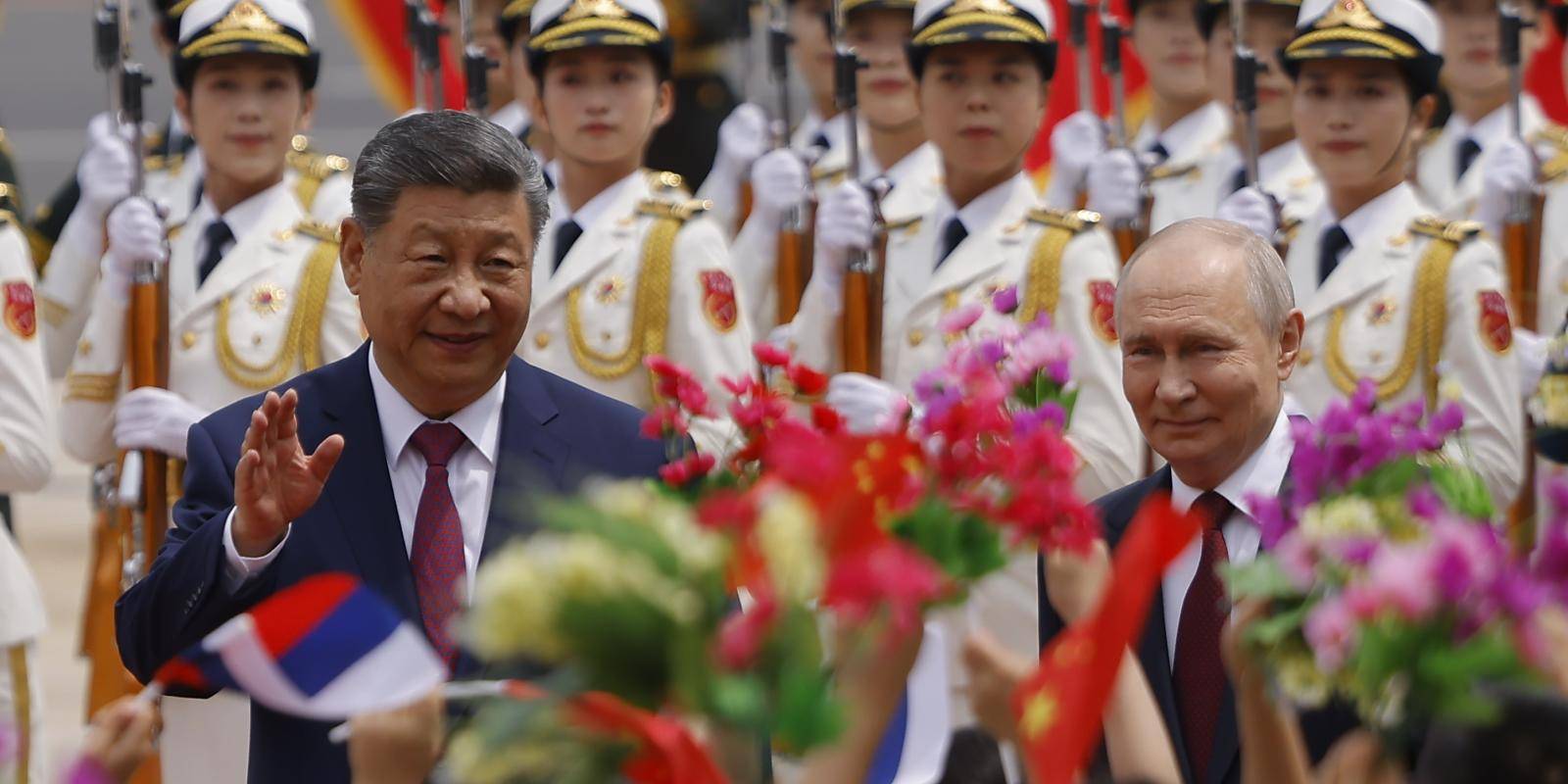
China and Russia continue to project an image of closeness, especially during high-profile meetings between presidents Xi Jinping and Vladimir Putin. Public displays of unity often suggest a partnership growing stronger in response to global tensions. Yet the relationship rests less on friendship than on practical calculations shaped by geography, economic needs, and shared political interests.
A long border and overlapping security concerns make cooperation difficult to avoid. For Beijing, stable relations with Moscow help secure its northern frontier and reduce strategic pressure from rival powers. Russia, meanwhile, benefits from China’s economic support at a time when strained relations with Western countries continue to limit its options. These conditions create incentives for collaboration, even when priorities do not fully align.
Both governments also promote a similar vision of global politics. Calls for a “multipolar world” reflect dissatisfaction with institutions shaped largely by Western influence. Russia sees this approach as a way to recover international relevance despite sanctions and diplomatic isolation. China, by contrast, appears more interested in reshaping global rules gradually while expanding its own political and economic influence. Although their objectives overlap, the pace and methods they favor are not identical.
Economic ties have deepened since the war in Ukraine intensified Russia’s dependence on alternative partners. China has increased purchases of Russian oil and gas while maintaining trade and technological exchanges. Moscow has gained a critical economic outlet, but the relationship has become increasingly uneven. China occupies the stronger position and often negotiates from advantage, especially in energy discussions.
This imbalance becomes especially visible in projects such as the Power of Siberia 2 gas pipeline. Russia views the agreement as economically urgent after losing much of the European energy market. Beijing, however, has moved cautiously and resisted becoming overly dependent on Russian supplies. Concerns about strategic vulnerability seem to matter as much as commercial negotiations. China continues to diversify energy sources rather than rely too heavily on one partner.
Despite their coordinated rhetoric, mistrust has not disappeared. China remains deeply connected to global markets and faces higher economic risks from instability than Russia. Beijing appears willing to support Moscow politically, but only to a certain point. Maintaining access to European markets and avoiding major sanctions still shape Chinese decision-making. This cautious balance reveals limits that public diplomatic gestures rarely show.
The partnership therefore seems durable, though not limitless. Shared interests, geographic realities and opposition to Western dominance continue to bring both governments together. At the same time, neither side appears willing to sacrifice national priorities for the other. Cooperation persists because it remains useful. Rather than a formal alliance, the relationship resembles a flexible arrangement built on mutual convenience and carefully managed boundaries.
Reference: Jie, Y. (2026, May 21). China and Russia’s strategic duo endures – but its limits are clear. https://www.chathamhouse.org/2026/05/china-and-russias-strategic-duo-endures-its-limits-are-clear