
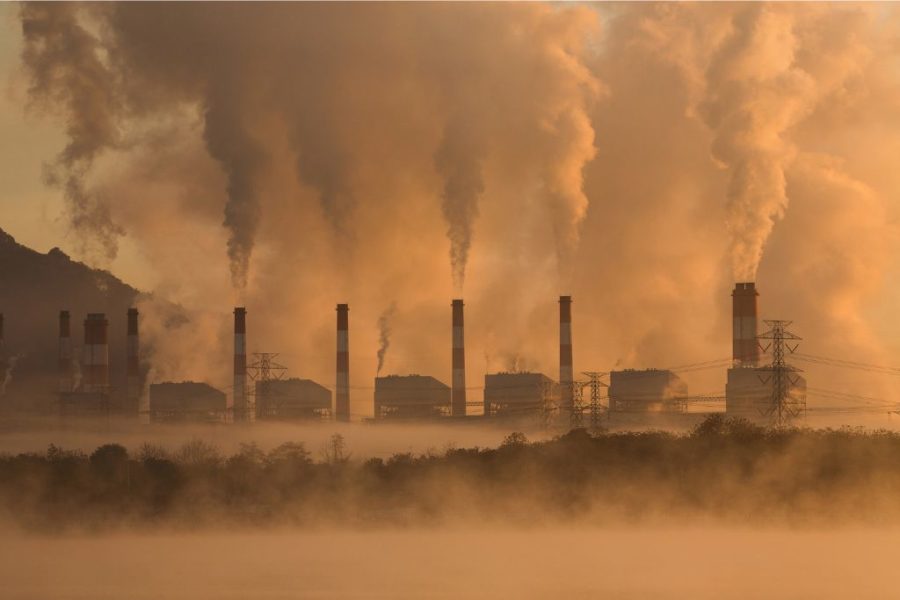
While the immediate devastation of war is measured in lives lost and destroyed infrastructure, conflicts leave a deadly, invisible, and long-lasting toxic legacy. Wartime pollution—particularly stemming from targeted strikes on centralized fossil fuel infrastructure. Like, contaminates air, soil, and water systems, poisoning public health and ecosystems for generations after the fighting stops. Energy networks are heavily targeted during conflicts because they concentrate highly combustible and hazardous chemicals. Bombardment triggers massive fires, oil spills, and the release of toxic gases and carcinogenic particles that settle across vast regions.
The six weeks of bombardment in Iran and the Gulf targeting energy infrastructure have created a catastrophic footprint. Toxic soot fills the air while oil residue covers dozens of square kilometers near Iran’s Kharg Island, threatening marine ecosystems across the wider Gulf region. This damage echoes the 1991 Gulf War, where retreating Iraqi forces ignited over 600 Kuwaiti oil wells, altering regional public health for a generation. Similarly, the war in Ukraine has yielded thousands of documented incidents of environmental harm, including poisoned rivers, toxic farmland, and fires at oil depots. Conflict inevitably erodes governance, rendering environmental regulations and infrastructure maintenance impossible. In nations like Sudan and Yemen, volatile security has halted pipeline maintenance, leading to severe local water contamination. While electrical grid collapses force displaced communities to rely on firewood, drastically accelerating deforestation.
Beyond fossil fuels, the bombardment of urban areas pulverizes buildings and industrial zones. It releases a toxic dust laced with heavy metals and silica that scars human lungs. Ironically, the path to peace presents another ecological crisis, as manufacturing the massive amounts of cement and steel required to rebuild flattened cities triggers an immense surge in carbon emissions. Future vulnerability can be mitigated by changing how countries choose to rebuild. While renewable energy grids like wind and solar can still be damaged in war, their decentralized nature means they do not cause catastrophic oil spills, refinery-scale fires, or chemical leaks when struck. Shifting to distributed green energy grids during post-war reconstruction can protect local populations from a toxic aftermath and shield the global economy from supply-route crises.
The true toll of modern warfare extends far beyond immediate human casualties, leaving an enduring environmental legacy that poisons public health and ecosystems. By targeting centralized fossil fuel infrastructure, conflicts release massive amounts of toxic chemicals, cause catastrophic oil spills, and generate heavy-metal dust that permanently damages the earth and human lungs. Ultimately, the author suggests that breaking this cycle requires a fundamental shift during post-war reconstruction: by rebuilding with decentralized, renewable energy grids rather than vulnerable fossil fuel networks, nations can shield future generations from both a toxic environmental aftermath and global supply crises.
Reference
Horne, F. (2026, May 23). The pollution that outlives war. Al Jazeera. https://www.aljazeera.com/opinions/2026/5/23/the-pollution-that-outlives-war