
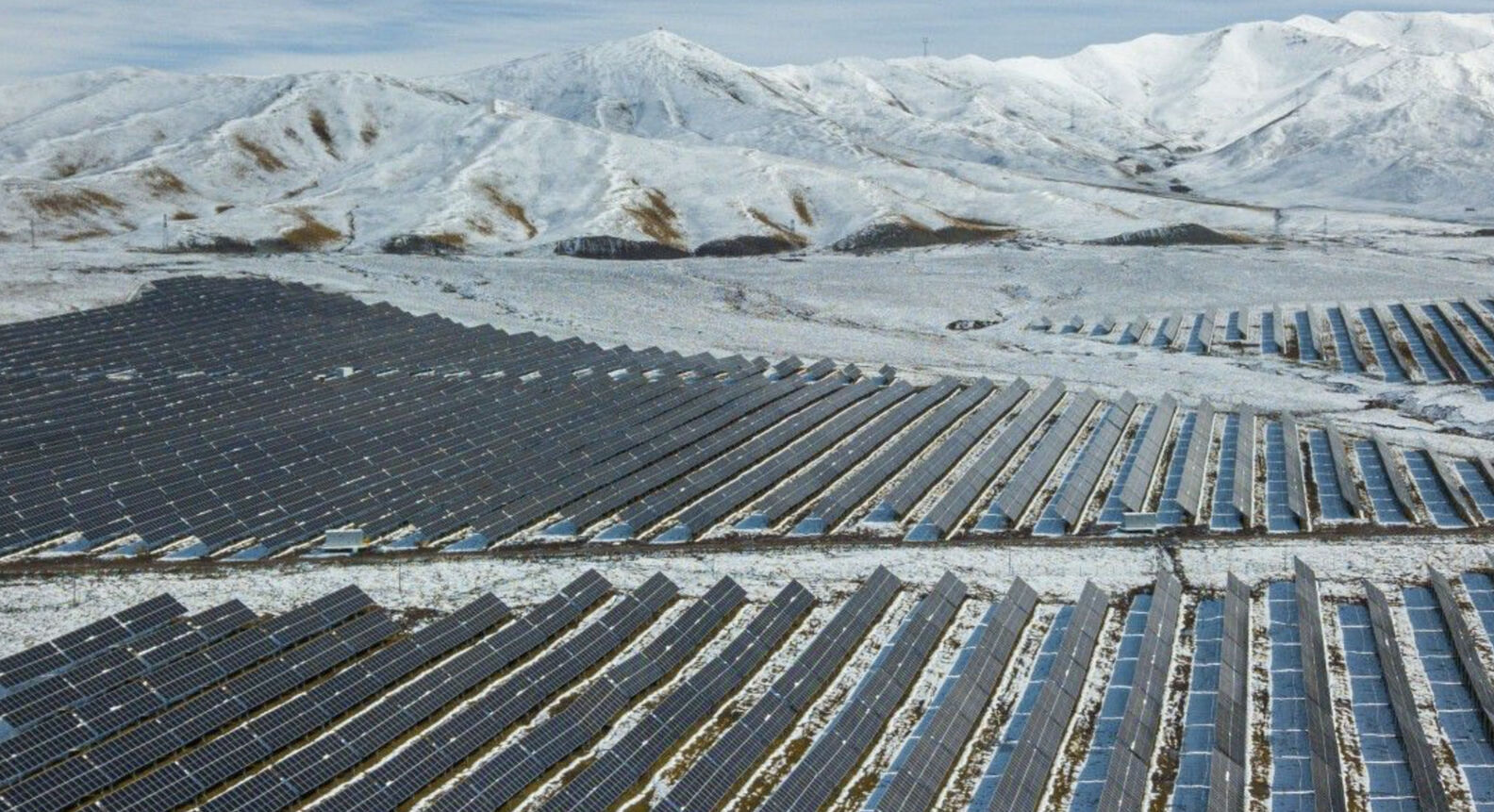
China’s world-leading solar industry is currently facing significant turmoil due to massive overcapacity and collapsing prices. Despite controlling the global supply chain from polysilicon to finished modules the rapid expansion of production capacity has severely outpaced global demand. While this immense supply glut has successfully driven down the cost of renewable energy for consumers to record lows, it has simultaneously squeezed profit margins across the entire sector. Consequently, the industry is witnessing a severe downturn, forcing major solar giants to lay off workers and causing smaller manufacturers to cancel billion-dollar factory construction plans.
State Support and Overcapacity
Much of this ongoing overcapacity is fueled by extensive state support from municipal and provincial governments across China. For decades, local leaders have provided solar companies with highly favorable conditions, including free land, discounted electricity, and interest-free loans. This financial backing is designed to boost local employment and generate tax revenue, covering up to 65% of production costs in some extreme cases.
Despite the growing financial strain caused by falling module prices and a struggling domestic property sector, local governments continue to prop up these businesses. As a result, the industry’s largest firms are still aggressively upgrading their technology and expanding output. Industry forecasts suggest that China’s solar capacity could reach nearly 1,700 gigawatts by 2026, showing few signs of an immediate slowdown.
Trade Tensions and Future Consolidation
This aggressive expansion and the resulting flood of cheap exports are encountering mounting resistance in international markets. The European Union and the United States have explicitly expressed concerns over this surplus production, arguing that the global market cannot absorb China’s excess capacity. America has already levied anti-dumping duties on Chinese solar manufacturers, and the European Union is actively considering protective measures and subsidies to shield its own domestic manufacturers.
In response to these international trade tensions and domestic economic pressures, Chinese leadership has recently cautioned against over-allocating resources solely to industries like solar modules and electric vehicles. Financial analysts predict a looming period of severe industry consolidation, characterized by bankruptcies and market exits, as the sector navigates this volatile cycle until global demand eventually catches up with the massive supply.
Reference
The Economist. (2024, junio 17). China’s giant solar industry is in turmoil. The Economist. https://www.economist.com/business/2024/06/17/chinas-giant-solar-industry-is-in-turmoil