
Bangladesh’s Strategic Shift
Bangladesh is moving closer to China as its water-sharing dispute with India becomes more difficult to resolve. According to Nikkei Asia, Dhaka has linked the future of its relationship with New Delhi to the renewal of the Ganges water-sharing treaty, which is set to expire later this year. This situation shows how water security is becoming a central issue in South Asian diplomacy.
Water Security and India Relations
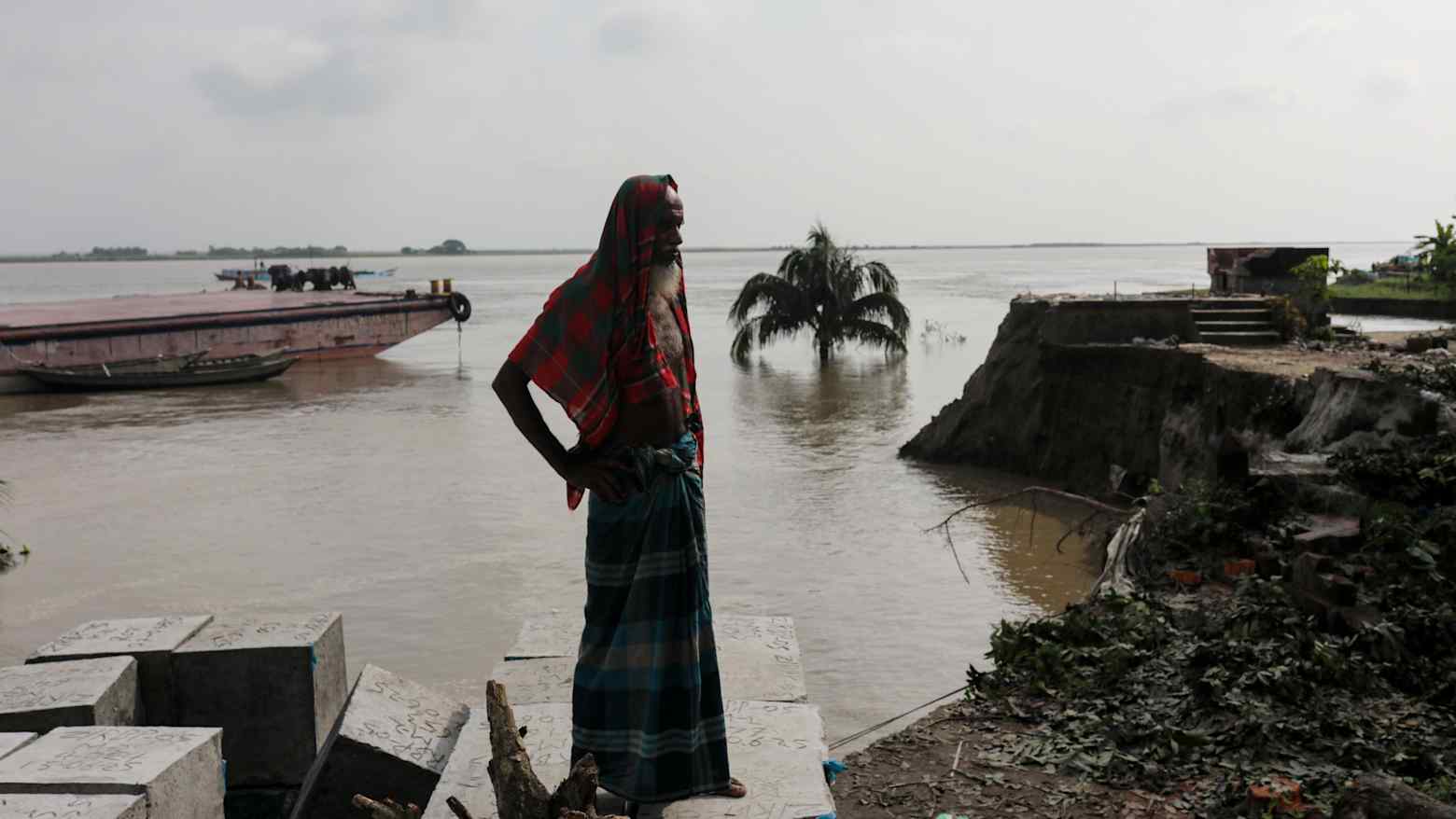
Water-sharing has long been one of the most sensitive issues between Bangladesh and India. As a lower-riparian country, Bangladesh depends heavily on water flows that pass through India before reaching its territory. This makes river management essential for agriculture, food security and rural livelihoods. The Ganges treaty and unresolved disputes such as the Teesta River remain important sources of diplomatic pressure between both countries.
China’s Growing Role
China has become a more attractive partner for Bangladesh as relations with India face new tensions. Beijing has expanded its influence in Bangladesh through investment, political engagement and security cooperation, while India’s position has weakened in recent years. This does not mean Bangladesh is cutting ties with India, but it suggests that Dhaka is using closer relations with China to gain leverage in regional negotiations.
Regional Competition in South Asia
For India, Bangladesh’s closer alignment with China creates strategic concerns. New Delhi views Chinese involvement in infrastructure, ports and river-related projects near its borders as sensitive because of its broader rivalry with Beijing. At the same time, Bangladesh still depends on India for trade, transit and border stability. Therefore, Dhaka must balance its need for Chinese investment with the importance of maintaining functional relations with India.
International Relevance
Overall, the Nikkei Asia report shows that water security is no longer only an environmental or domestic policy issue. In South Asia, river disputes are increasingly connected to infrastructure, trade routes and geopolitical competition. Bangladesh’s tilt toward China matters internationally because it reflects how smaller states can use major-power rivalry to strengthen their bargaining position, while also increasing tensions in the Indo-Pacific.
Reference: Nikkei Asia. (2026, June 2). Bangladesh tilts to China as India water-sharing impasse deepens. https://asia.nikkei.com/politics/international-relations/bangladesh-tilts-to-china-as-india-water-sharing-impasse-deepens