
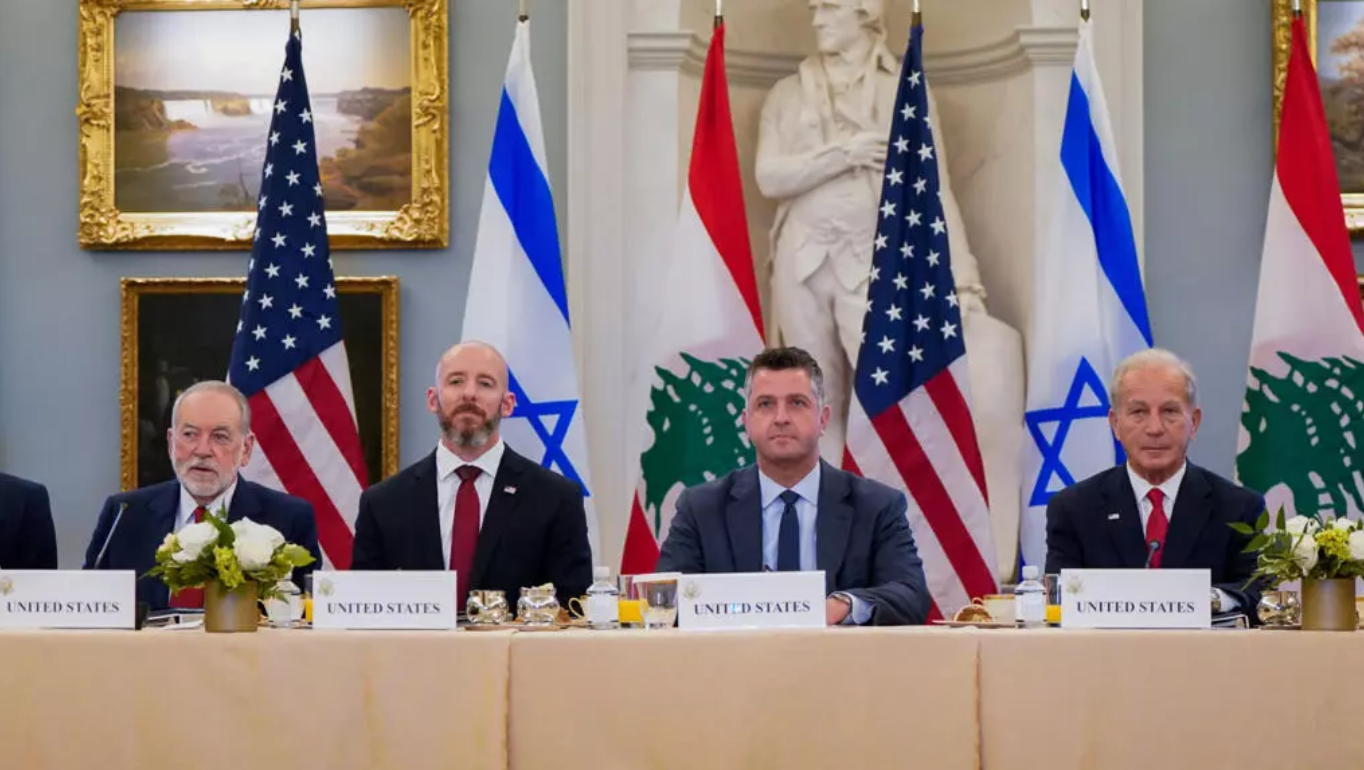
The Middle East faces another critical escalation as diplomatic efforts struggle to find solid ground. In this analysis, we review the breaking report published by France 24 on June 2, 2026. The coverage details how intense military friction erupted just hours before high-level talks were scheduled to resume. Consequently, we examine the broader implications of these Israel Hezbollah border clashes.
Renewed cross-border fighting took place early Tuesday morning along the volatile UN Blue Line. Both sides exchanged heavy artillery fire and drone strikes, disrupting a brief operational lull.
This unexpected surge in violence occurred exactly as international mediators prepared to restart negotiations. Diplomatic teams from Washington and Paris had expressed cautious optimism over the weekend. However, the sudden exchange of fire has once again cast a dark shadow over the possibility of a sustainable ceasefire. Because of this strategic escalation, the timeline for diplomatic progress remains highly uncertain.
Timeline of Escalation and Diplomatic Efforts (June 2026)
To better understand the fragile balance between military action and diplomacy, we can map the events leading up to this flashpoint:
| Date (2026) | Military Situation on the Border | Diplomatic Track Status |
| May 31 | Relative calm; minor skirmishes reported. | Mediators draft a preliminary framework. |
| June 1 | Tensions rise as surveillance drones multiply. | Delegates arrive in Egypt for preparatory talks. |
| June 2 | Heavy artillery and drone strikes explode. | Talks stall as delegations reassess security. |
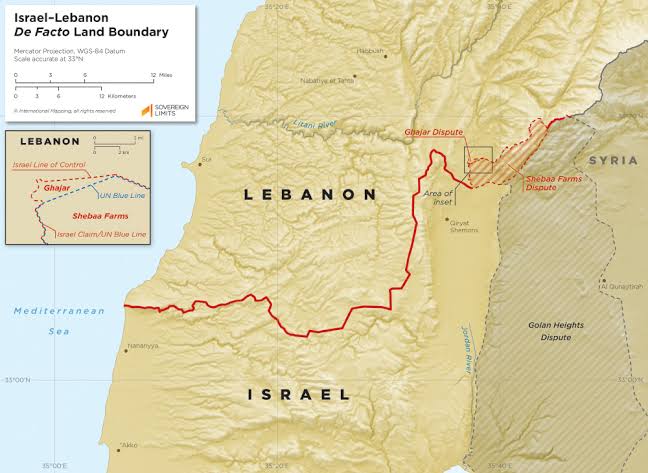
Disputed border geography between Israel and Lebanon. Fuente: Sovereign Limits
Strategic Goals Behind the Israel Hezbollah Border Clashes
Military analysts suggest that this spike in combat is a deliberate attempt to gain leverage at the negotiating table. Both parties frequently use tactical pressure right before peace talks begin to force concessions from the opposing side.
As a result, towns across northern Israel and southern Lebanon experienced renewed evacuation alerts. The Israeli Defense Forces (IDF) stated they targeted multiple launch positions belonging to the militant group. Conversely, Hezbollah claimed direct hits on military infrastructure across the border, asserting their readiness for a prolonged conflict if talks fail.
The Fragmented Path to a Sustainable Agreement
The primary obstacle to peace remains the implementation of UN Resolution 1701. International mediators insist on a complete withdrawal of armed factions from the border area.
Key Conflict Point: Israel demands a secure buffer zone to allow displaced citizens to return home safely. Meanwhile, Lebanese authorities argue that a ceasefire must occur before any structural redeployment can be discussed.
Report highlights a dangerous paradox in modern asymmetric warfare. While both leaderships recognize the massive economic cost of a full-scale war, neither wants to appear weak before negotiations.
Therefore, the Israel Hezbollah border clashes serve as a high-stakes messaging tool. However, this strategy carries immense risks. A single miscalculated missile strike hitting a dense civilian area could trigger an uncontrollable chain reaction. If that happens, it would completely destroy the current diplomatic framework.
In conclusion, the latest events prove that a ceasefire cannot be achieved through rhetoric alone. The international community must exert stronger pressure on both sides to silence the guns before meetings commence. Until a solid operational pause is strictly enforced on the ground, regional stability will remain entirely compromised.
Reference
France 24. (2026, June 2). Nuevos enfrentamientos entre Israel y Hezbolá antes de reanudarse las negociaciones. France 24. https://www.france24.com/es/medio-oriente/20260602-nuevos-enfrentamientos-entre-israel-y-hezbol%C3%A1-antes-de-reanudarse-las-negociaciones