
Domestic Opposition to the Tentative Accord
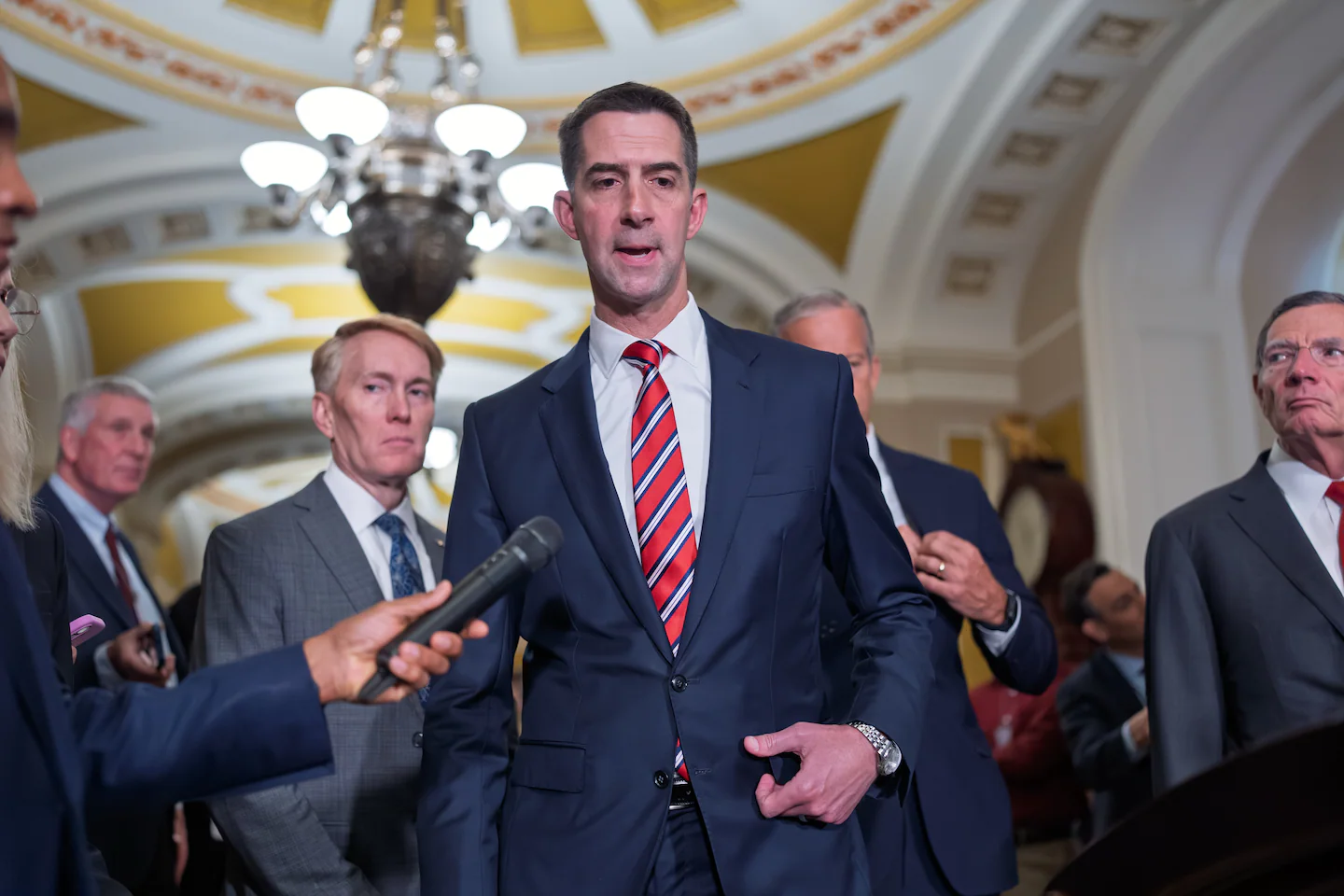
President Donald Trump is facing unexpected and sharp resistance from within his own party. This backlash followed the announcement of a tentative memorandum of understanding with Iranian President Masoud Pezeshkian. In addition, prominent Republican lawmakers and foreign policy hawks have publicly criticized the administration. They argue that the interim framework compromises crucial American leverage. Consequently, this domestic political rift highlights a growing fracture inside the GOP regarding U.S. strategy in the Middle East.
Contention Over Sanctions Relief and Uranium Stockpiles
The primary point of contention among congressional critics centers on the immediate waiving of economic sanctions. However, hardline Republicans argue that this relief is premature in exchange for temporary nuclear concessions. Specifically, allowing Tehran to freely resume crude oil exports provides an immediate economic lifeline. Furthermore, skeptics express deep doubt over the effectiveness of the International Atomic Energy Agency (IAEA) to monitor uranium down-blending on-site. Therefore, many lawmakers feel the administration granted too many benefits upfront.
The Israeli Alliance and Regional Security Dynamics
The political rift is further intensified by the deal’s implications for long-standing regional alliances. For instance, several key GOP senators have strongly aligned themselves with Israeli Prime Minister Benjamin Netanyahu’s critical position. They warn that stopping military operations isolates America’s closest regional ally. Moreover, critics assert that the framework inadvertently strengthens Iran-backed groups like Hezbollah. As a result, pausing Western military pressure without total disarmament guarantees creates a major security risk.
Executive Authority and Institutional Confrontations
This unfolding debate brings renewed institutional challenges regarding executive authority over international agreements. Because of this, Republican leaders in Congress are actively weighing legislative options to block the implementation of sanctions waivers. These potential actions threaten to complicate the administration’s strict 60-day negotiating timeline. Therefore, the mounting tension underscores the difficulty of maintaining a unified diplomatic front when domestic political factions are deeply divided.
International Relevance
The domestic political resistance to the U.S.-Iran memorandum has profound consequences for global governance and diplomacy. When internal legislative divisions threaten to undermine an executive agreement, international allies question the long-term reliability of U.S. commitments. Furthermore, internal dissent within the world’s largest economy directly impacts global energy security and international financial markets. This happens because any legislative threat to reimpose sanctions introduces renewed volatility to global oil prices. Ultimately, this friction demonstrates that modern international diplomacy is deeply inseparable from domestic political dynamics.
Reference: The Washington Post. (2026, June 18). Parts of Trump’s Iran deal sharply criticized by some key Republicans. https://www.washingtonpost.com/politics/2026/06/18/parts-trumps-iran-deal-sharply-criticized-by-some-key-republicans/