
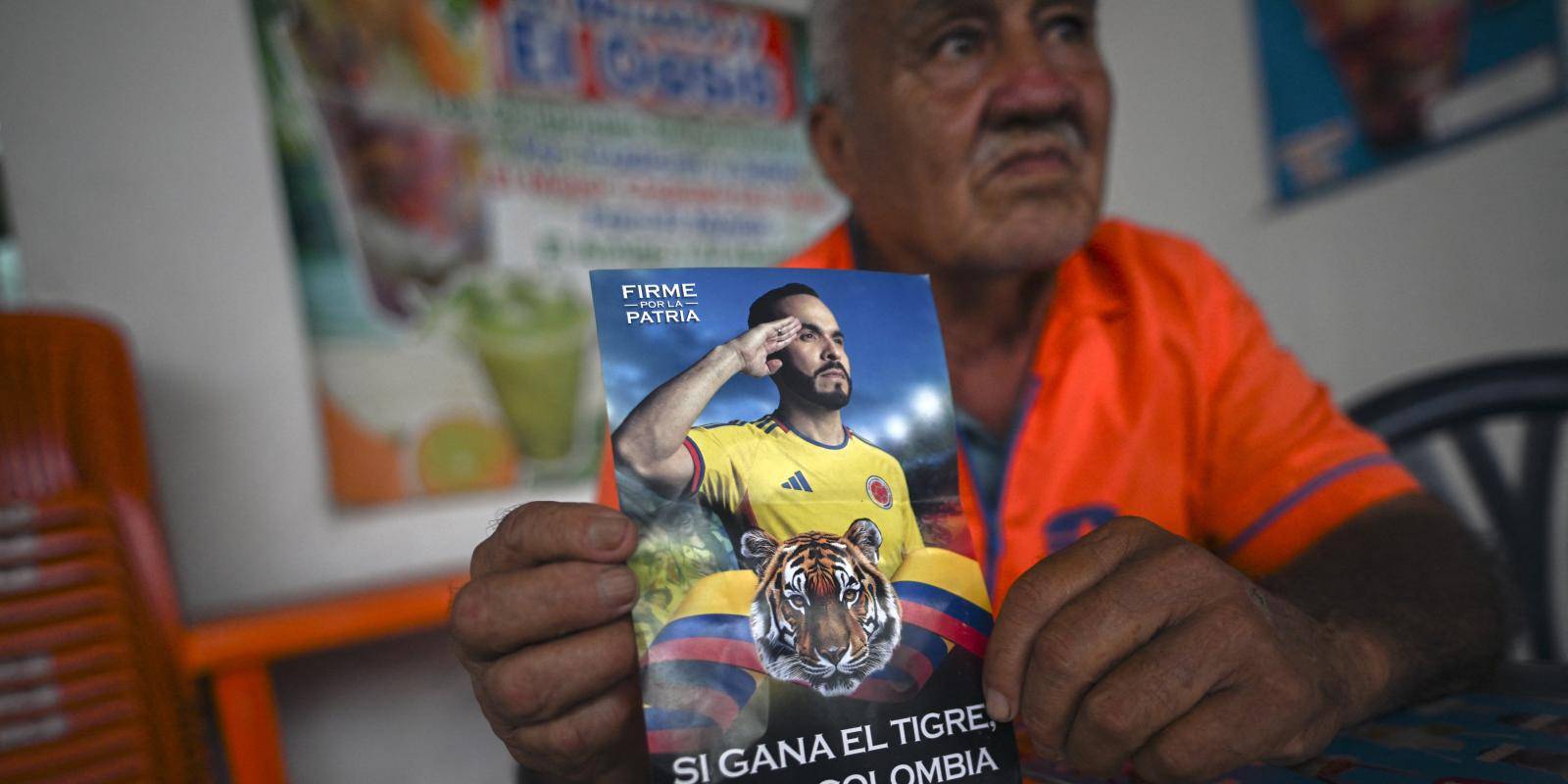
Colombia approaches its presidential election in a context marked by deep political polarization and social uncertainty. Public debate has increasingly focused on security concerns, economic pressures, and dissatisfaction with institutional performance. Within this environment, right-wing and far-right candidates have gained greater visibility and electoral relevance.
In recent years, frustration among voters has intensified due to persistent violence and limited improvements in public safety. Many communities continue facing insecurity linked to armed groups and organized crime across several regions. As a result, some sectors of society support stronger state responses focused on order and enforcement.
However, not all voters agree with this approach to security challenges. Others warn that relying primarily on force could deepen social divisions and weaken democratic safeguards. This tension reflects a broader disagreement about how authority and rights should be balanced in Colombia’s political system.
At the same time, the presidency of Gustavo Petro has significantly shaped the current electoral landscape. His administration introduced reforms addressing inequality, social policy, and peace-building initiatives with armed groups. Nevertheless, implementation difficulties and political controversies have affected public perception of his government’s effectiveness.
Consequently, the possibility of a far-right presidency represents a major potential shift in political direction. This scenario is not only about ideological change, but also about governance style and institutional priorities. It raises questions about how security challenges should be addressed without undermining democratic stability.
Security remains one of the most decisive factors influencing voter behavior across the country. Although peace agreements reduced certain forms of conflict, armed violence continues in multiple territories. Criminal organizations and armed factions maintain influence in areas with limited state presence.
Alongside security concerns, economic conditions play a central role in shaping electoral preferences. Inequality, unemployment, and limited access to opportunities remain persistent problems for large segments of the population. Therefore, political proposals promising economic stability have gained increasing attention among voters.
Moreover, Colombia’s election carries implications beyond its national borders. The country plays an important role in regional discussions on migration, security cooperation, and diplomatic relations. A change in leadership could therefore reshape its foreign policy orientation and regional partnerships.
In addition, the current electoral moment reflects a broader debate about the relationship between democracy and public order. While many citizens demand stronger responses to insecurity, concerns persist regarding the preservation of institutional checks and political freedoms. This tension highlights the complexity of governing in a highly fragmented society.
Finally, the country faces the challenge of reconciling competing expectations within its political system. Citizens demand effective security policies while also expecting respect for democratic norms and social rights. The next administration will need to navigate these pressures carefully to avoid further polarization.
Reference: Aguirre Ernst, M. (2026, June 18). Will Colombia elect a far-right president? Chatham House. https://www.chathamhouse.org/2026/06/will-colombia-elect-far-right-president