
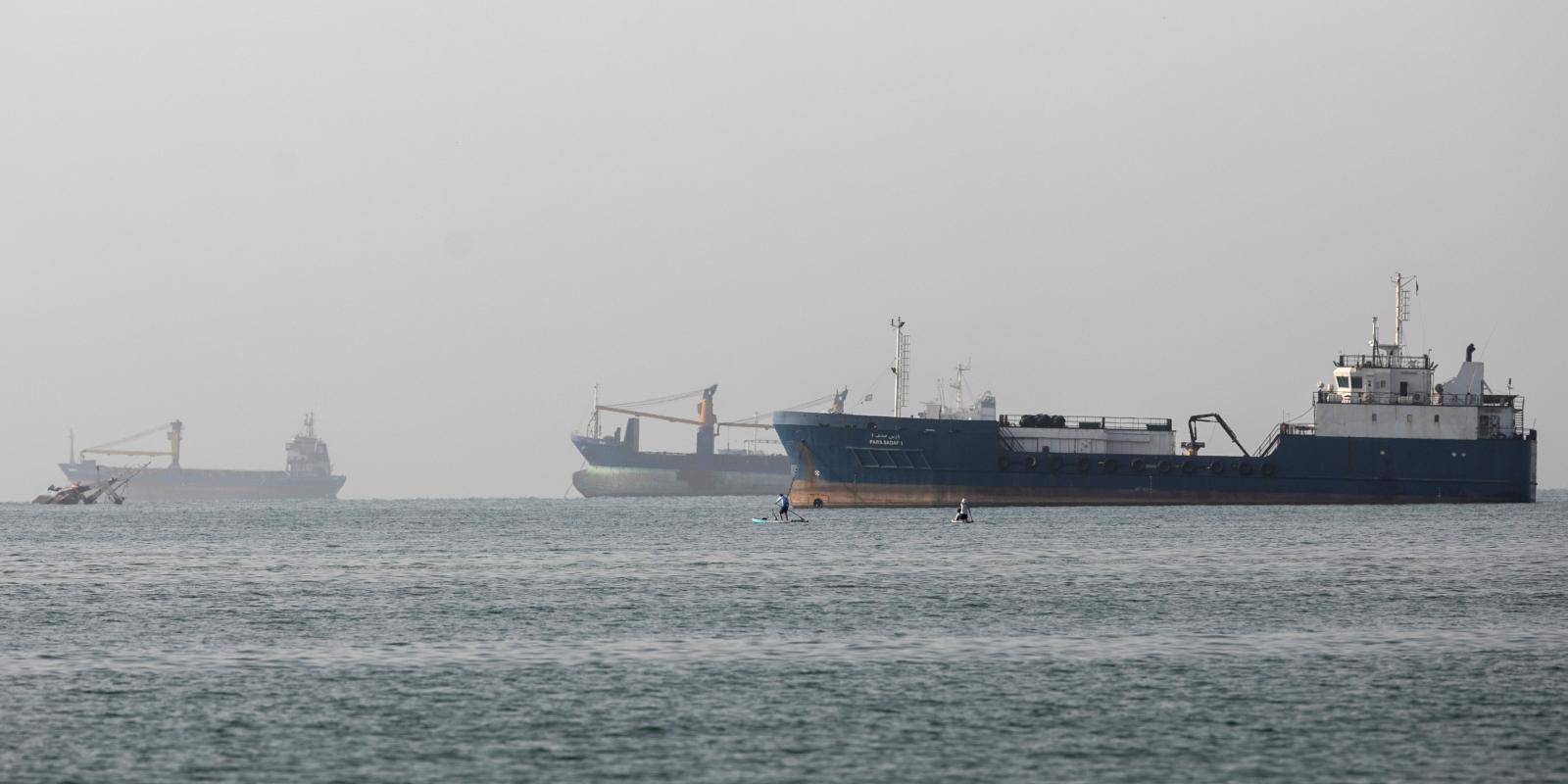
Geopolitical tensions surrounding the Strait of Hormuz continue to expose the fragility of global energy security. This narrow maritime passage remains one of the most strategically sensitive chokepoints for international oil and gas flows. Any disruption in this region would quickly transmit shocks across global markets and political systems.
Recent developments suggest that future crises in the Strait could be more severe than previous episodes. Military escalation, regional rivalries, and fragmented deterrence mechanisms increase the likelihood of rapid and unpredictable disruption. Even limited incidents at sea could escalate into broader confrontations involving multiple state actors.
Energy markets remain highly dependent on stable transit through this corridor despite diversification efforts. Although some producers have built alternative export routes, these options only partially reduce overall vulnerability. As a result, the global economy continues to rely heavily on uninterrupted flows through the Strait.
Regional competition adds another layer of complexity to the security environment. Rival states maintain competing strategic objectives, which often overlap in contested maritime spaces. This situation increases the risk of miscalculation, especially in moments of heightened political tension or military presence.
The role of deterrence appears increasingly uncertain under current conditions. Traditional mechanisms that once helped prevent escalation are now weaker and less predictable. Consequently, small-scale incidents could escalate more rapidly than in previous decades.
Global actors also face limitations in managing potential crises effectively. Diplomatic channels exist, yet they often struggle to keep pace with fast-moving security developments. Coordination between regional and international stakeholders remains inconsistent and reactive.
At the same time, economic consequences of disruption would extend far beyond energy-importing states. Price volatility, supply shortages, and market uncertainty would likely affect both developed and developing economies. These ripple effects highlight the systemic importance of maritime security in global trade.
Even efforts to reduce dependence on the Strait face structural constraints. Energy transition processes are progressing unevenly across regions and timeframes. Therefore, hydrocarbons transported through this route will remain central to global consumption in the near term.
Ultimately, stability in the Strait depends on fragile balances of power and restraint among regional actors. Without sustained diplomatic engagement, the risk of escalation remains persistent and difficult to contain. The future of global energy security is therefore closely tied to the political dynamics of this narrow waterway.
Reference: Labh, N. (2026, June 19). The next Strait of Hormuz crisis could be even worse. Chatham House. https://www.chathamhouse.org/2026/06/next-strait-hormuz-crisis-could-be-even-worse