
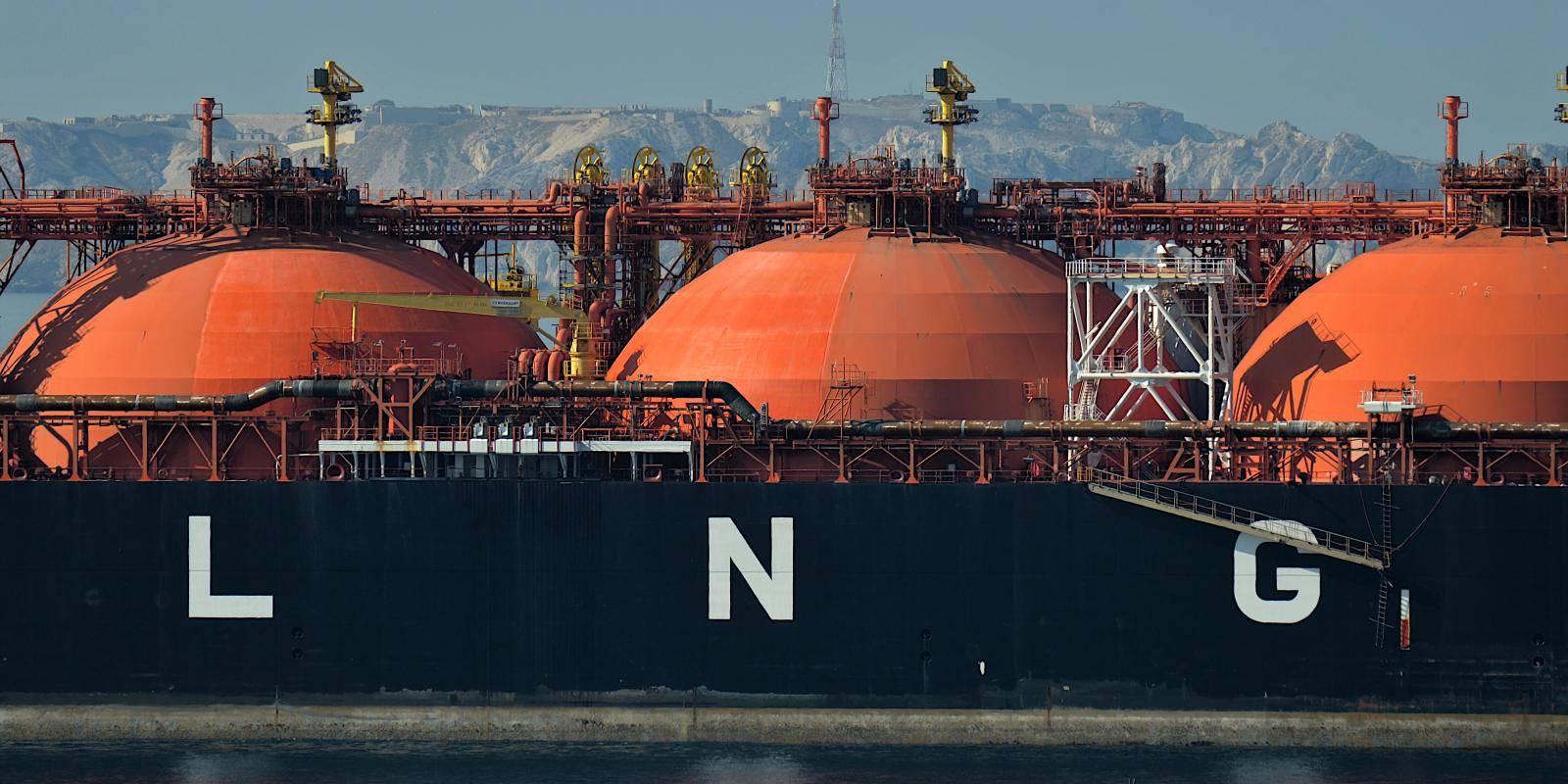
Europe’s energy security continues to face structural vulnerability linked to its dependence on external suppliers and constrained diversification options. Even after periods of crisis in the Strait of Hormuz, the underlying exposure of European markets to global disruptions remains largely unchanged. The reopening of key maritime routes does not eliminate these risks, but rather highlights their persistent and systemic nature.
In recent years, energy shocks have repeatedly demonstrated how quickly supply disruptions can translate into economic and political instability. Europe’s reliance on imported oil and liquefied natural gas makes it particularly sensitive to volatility in global energy flows. Although emergency measures can temporarily stabilize markets, they do not address deeper structural dependencies.
Diversification strategies have been widely promoted as a solution to reduce vulnerability. However, alternative suppliers and routes are often insufficient to fully replace existing volumes or match price competitiveness. As a result, diversification reduces risk at the margins but does not fundamentally transform Europe’s exposure to external shocks.
At the same time, global energy markets remain tightly interconnected. Disruptions in one region quickly spread through pricing mechanisms and supply chains, affecting consumers far from the initial source of instability. This interconnectedness reinforces Europe’s sensitivity to crises occurring in geographically distant but strategically important regions.
The Strait of Hormuz plays a central role in this system due to its function as a critical transit point for global hydrocarbons. Any interruption in its operation produces immediate effects on global supply expectations. Even temporary disruptions can generate sustained uncertainty in European energy markets.
However, even when such chokepoints return to normal functioning, underlying vulnerabilities persist. The restoration of maritime flows does not reverse structural dependence on imports. Instead, it temporarily masks the fragility embedded within Europe’s long-term energy architecture.
Policy responses within Europe have increasingly focused on resilience rather than complete independence. Governments have sought to strengthen storage capacity, improve infrastructure flexibility, and expand renewable energy investments. These measures contribute to greater stability but operate over long time horizons.
Despite these efforts, the transition away from fossil fuel dependence remains uneven across countries and sectors. Industrial demand, transportation needs, and heating systems continue to rely heavily on external energy sources. This limits the speed at which structural vulnerability can be reduced.
Geopolitical uncertainty further complicates long-term planning. Competing global interests influence both supply availability and price stability. Europe must therefore navigate not only economic constraints but also shifting strategic relationships with key energy producers.
The central challenge lies in the mismatch between short-term crisis management and long-term structural exposure. Reopening key transit routes may ease immediate pressure, but it does not resolve the deeper dependency shaping Europe’s energy system. The result is a persistent vulnerability that requires sustained political and economic adaptation rather than temporary solutions.
Reference: Aylett, C. (2026, June 19). Even Hormuz reopening will not resolve Europe’s key energy vulnerability. Chatham House. https://www.chathamhouse.org/2026/06/even-hormuz-reopening-will-not-resolve-europes-key-energy-vulnerability