
The nexus between comprehensive healthcare provision and female workforce optimization represents a vital cornerstone for macroeconomic advancement across the Asia-Pacific. The recent announcement of the prestigious APEC Healthy Women, Healthy Economies Research Prize highlights how targeted regional health policy actively safeguards women’s economic participation. By assessing fiscal models for fertility costs, preventive medicine access, and deep-seated workplace structural disparities, this year’s winning studies offer clear frameworks for sustainable economic growth.
The Economics of Maternity Protection and Demographics
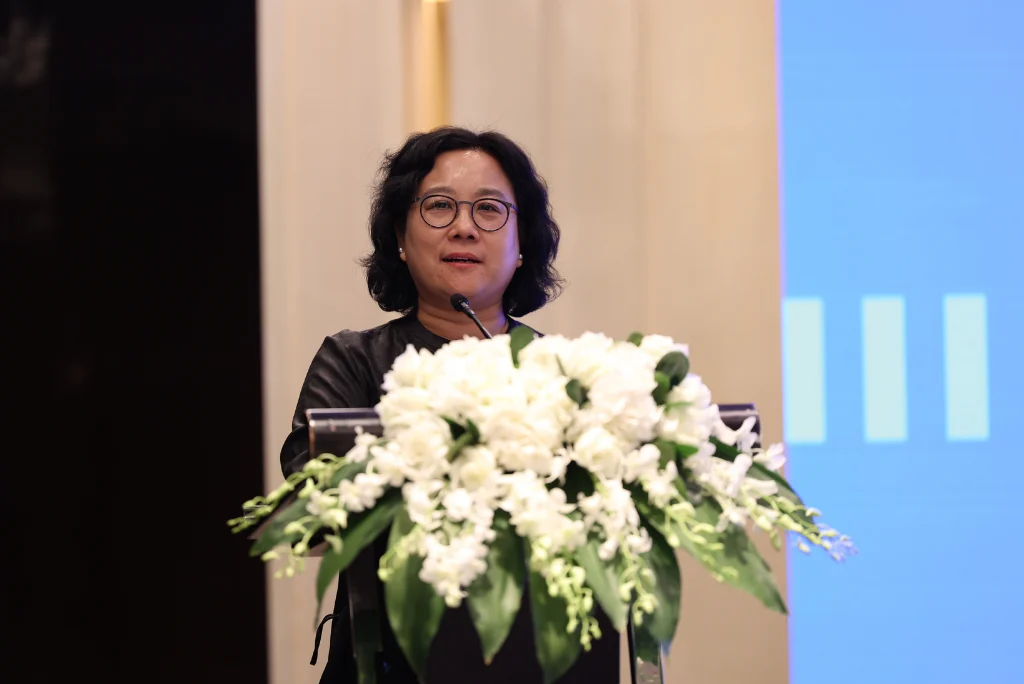
Professor Zhu Zhaofang, Head of the Strategic Planning Division at the National Center for Maternal and Child Health under China’s National Health Commission, secured the primary award alongside her research team. Their focal analysis delves into the compound financial burdens associated with childbearing and maternal care, mapping out pathways to mitigate these barriers through optimized public frameworks.
Utilizing nationwide empirical data, the study demonstrates how strategic modifications to maternity insurance systems can lower out-of-pocket costs and bolster protection for working families. Amid pressing demographic contractions and shifting workforce dynamics, Professor Zhu emphasized that reproductive choices should never be constrained by career penalties or financial vulnerability. Well-designed, comprehensive maternity security is both macroeconomically achievable and fiscally viable over long-term horizons.
Preventive Access and Wage Disparity Mitigation
In addition to the grand prize, the APEC Policy Partnership on Women and the Economy recognized two highly impactful academic contributions as runners-up:
- Antenatal Care Synergy (Malaysia): Dr. Woo Yin Ling and her team at the University of Malaya and the ROSE Foundation demonstrated how standard prenatal healthcare checkups can be leveraged systematically to expand cervical cancer screening and early intervention programs for vulnerable groups.
- Unpaid Care and the Wage Gap (United States): Dr. Sunjin Pak and colleagues at California State University Bakersfield quantified how excessive overtime hours combined with uncompensated household caregiving responsibilities directly harm long-term health outcomes and exacerbate gender wage disparities.
Public-Private Frameworks Drive Inclusive Growth
Sponsored by Merck for the eighth consecutive year, the initiative highlights how public-private partnerships translate granular medical and labor research into actionable economic blueprints. Zhang Jianmin, Interim Chair of the APEC Policy Partnership on Women and the Economy, stated that investing in female health infrastructure is a direct investment in overall regional financial stability. The findings align closely with the five key actionable pillars of the APEC HWHE Policy Toolkit: workplace health and safety, health awareness, sexual and reproductive health, gender-based violence counter-strategies, and work-life balance.
References
Asia-Pacific Economic Cooperation. (2026, June 16). Research on fertility cost wins 2026 APEC research prize [Press release]. APEC Policy Partnership on Women and the Economy. https://www.apec.org/press/news-releases/2026/0615_HWHE