
The Judicial Ruling on the Executive Order
U.S. District Court Judge Indira Talwani halted President Donald Trump’s executive order that sought to create a federal voter list and limit who can receive a mail ballot. Siding with a coalition of nearly two dozen states, the judge granted a summary judgment, declaring that the provisions of Trump’s order are legally void because they unconstitutionally violate the separation of powers. The plaintiffs successfully argued that states and Congress hold the power to set election rules, not the president. This ruling directly applies to the upcoming November 2026 midterm election cycle and represents the second ruling in two days against Trump’s election oversight orders.
State Reactions and White House Appeal
Arizona Attorney General Kris Mayes celebrated the court’s decision, noting that millions of citizens, including military families, rural voters, and Native Americans, have safely voted by mail for decades. She affirmed that the courts made it clear that states run their elections. Conversely, the White House stood by the executive order, indicating that the administration will appeal the ruling. A spokeswoman expressed confidence that they will ultimately prevail in implementing the order to protect the elections. Although the administration argued the lawsuits were premature, Judge Talwani determined that postponing judicial review was impracticable given the impending midterm elections.
Postal Service Implementation and Pushback
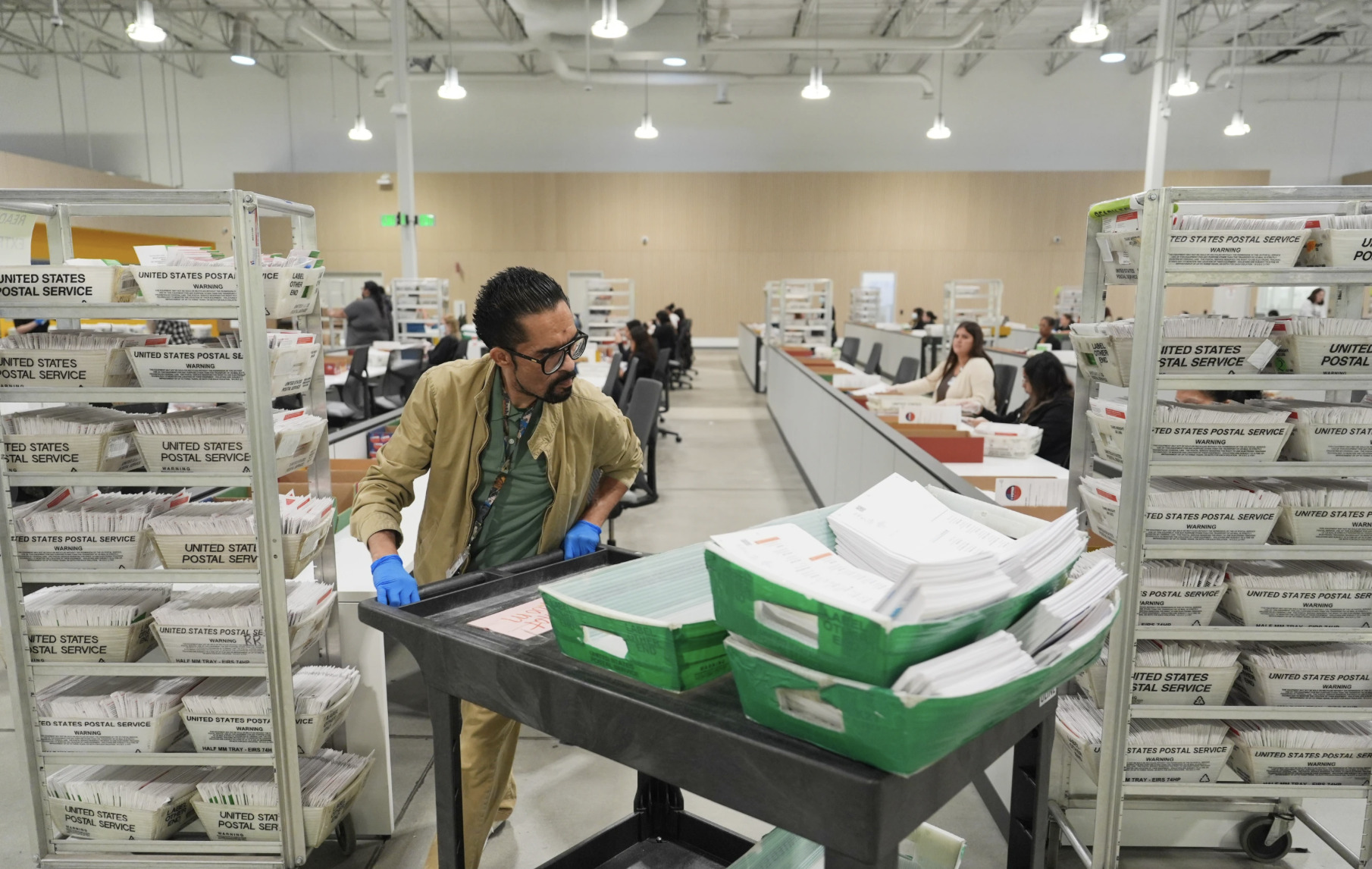
The executive order sought to direct the U.S. Postal Service to deliver mail ballots exclusively to individuals on a federally created state citizenship list. However, election officials warned that this mandate was ripe for abuse and could cause nationwide chaos. Furthermore, postal workers strongly pushed back against the order. The National Rural Letter Carriers’ Association argued that their members are not equipped to determine voter eligibility and warned against politicizing a trusted public institution. Maine Secretary of State Shenna Bellows echoed this sentiment, stating that utilizing the Postal Service to pre-screen voters would be a shocking violation of American constitutional rights.
Ongoing Legal Battles and Context
Democratic attorneys general representing twenty-two states and the District of Columbia filed the lawsuit seeking summary judgment. They argued that complying with the order would impose a costly burden on election officials and spread fear about potential prosecution. Additionally, the League of Women Voters and other civil rights groups have filed separate lawsuits against the measure. Since his election loss in 2020, Trump has consistently claimed that mail voting is rife with fraud, despite repeated investigations and audits proving that the process is secure and free of widespread issues.
Reference
Casey, M., Barrow, B., & Hanna, J. (2026, 25 junio). Judge halts Trump’s order to create federal voter list | AP News. AP News. https://apnews.com/article/trump-executive-order-elections-mail-voting-b28c3425c1dc968cd0f57c61fb7a684e?user_email=bd2c428b35d2f2d999bc6f7e665bad1355a8dd3247b2afc8121729c30cd9a01a&utm_medium=APNews_Alerts&utm_source=Sailthru_AP&utm_campaign=NewsAlert_Jun25_2026_11:32AM&utm_term=AP%20News%20Alerts