
A Ballooning Trade Gap
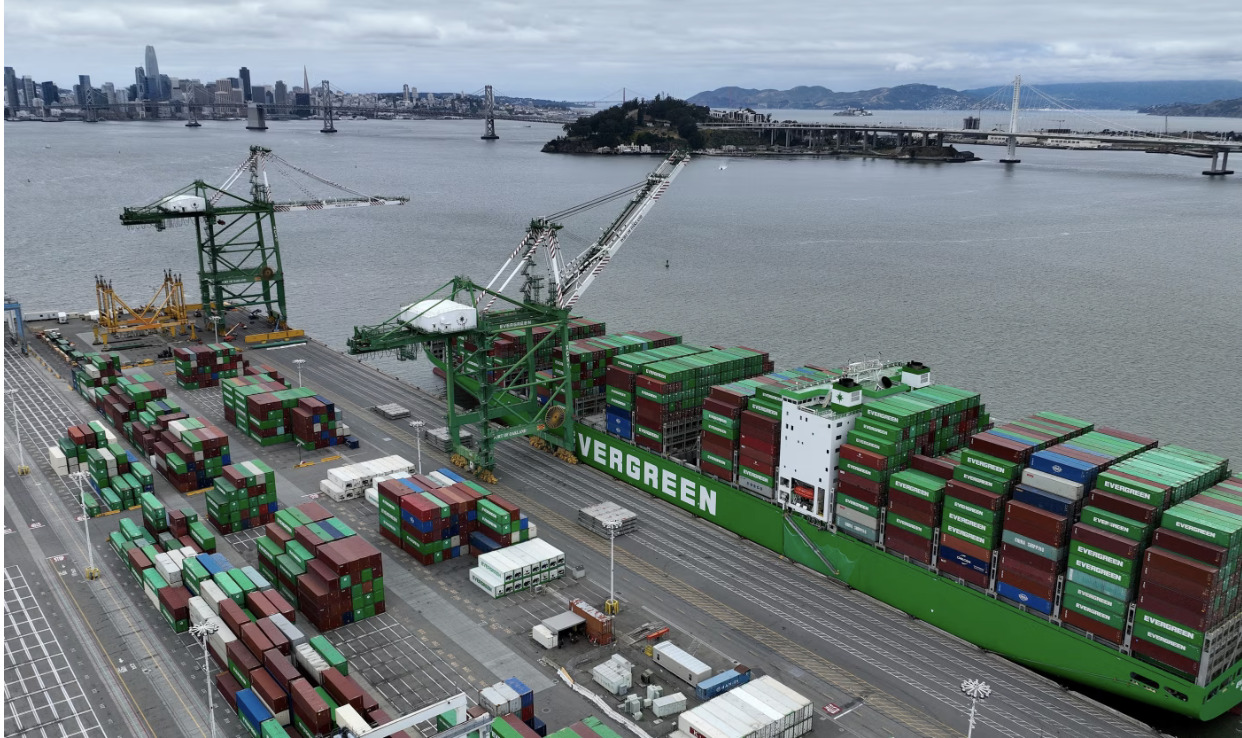
The United States trade deficit ballooned significantly in May. It officially reached its widest level since March 2025. This dramatic increase happened because the country imported more foreign goods while American-made exports steadily declined. According to the Commerce Department, the trade gap in goods and services widened by 42.2 percent. It ultimately hit a seasonally adjusted $77.6 billion. Shifting tariff policies have made the deficit highly volatile during President Trump’s second term. However, the year-to-date deficit remains smaller than the massive numbers recorded during the import rush of early 2025.
Shifting International Flows
Imports picked up rapidly by rising 3.3 percent during the month. This growth was heavily aided by strong domestic demand for artificial intelligence components. Specifically, shipments of advanced semiconductors and computer accessories increased. Furthermore, American consumers imported more pharmaceutical products, cellphones, and foreign vehicles. In contrast, U.S. exports fell by 3.2 percent in May. A large decline in gold sales to overseas buyers primarily led this drop. Consequently, economists warn that these shifting international flows will likely drag down gross domestic product growth for the second quarter.
Ongoing Tariff Policies and Regional Uncertainty
Paring back persistent trade deficits remains a primary cornerstone of Trump’s economic vision. This specific goal has prompted a barrage of new tariffs since he returned to the White House. Meanwhile, regional trade policy has faced fresh doubt this month. The United States recently declined to automatically extend its signature trade pact with Mexico and Canada. Although the agreement still remains in effect, trade representatives must now conduct mandatory annual reviews for a decade. Therefore, this sudden move adds another layer of long-term uncertainty for North American businesses and established regional supply chains.
Reference
Torry, H. (2026, julio 7). U.S. trade deficit grew in May. The Wall Street Journal. https://www.wsj.com/economy/trade/u-s-trade-deficit-grew-in-may-0434dc3f