
Breakthrough in Chip Performance
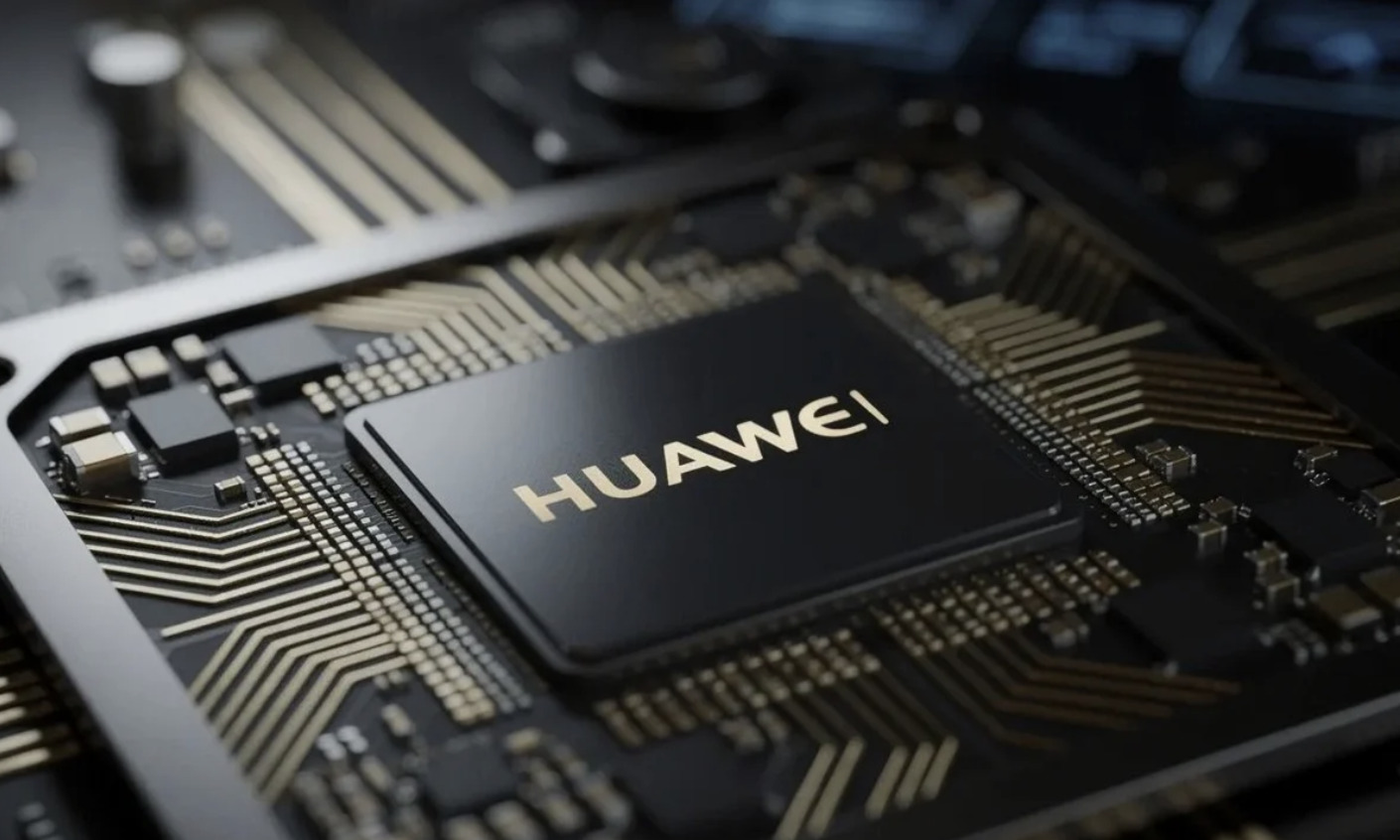
Huawei Technologies is on track for a significant smartphone processor performance boost. Remarkably, this achievement does not require more advanced processing nodes or lithography technology. The upcoming Kirin 2026 mobile processor will power the firm’s flagship Mate handsets this autumn. By utilizing Huawei’s innovative LogicFolding architecture, the chip increases transistor density by 55 percent compared to the previous Kirin9030 Pro. This major generational improvement was achieved using the exact same process node. Previously, such gains would have required three years of traditional geometric scaling. According to chip expert He Tingbo, these results come from a topological reorganization of logic distribution rather than new lithography steps.
Efficiency Gains and LogicFolding
Furthermore, the Kirin 2026 drastically reduces power consumption by 41 percent while maintaining peak performance. This double-layer folding architecture shortens the distance that signals travel within the circuit. Specifically, it cuts wire length down by 30 percent and heavily reduces clock skew. This research highlights the actual engineering details of Huawei’s theoretical Tau Scaling Law. The Tau law focuses primarily on how fast data moves through a system rather than shrinking transistor sizes. Through this method, Huawei claims it can achieve transistor densities equivalent to a cutting-edge 1.4-nanometer process by 2031. Consequently, they can bypass advanced extreme ultraviolet lithography machines, which face strict U.S. sanctions.
Future Roadmap and Supply Chain Challenges
Looking ahead, the LogicFolding architecture is expected to evolve into full-scale, multi-layer folding over the next decade. This evolution could enable the Kirin line to substantially boost its CPU core frequency to 4 GHz by 2029. Management insists that this highly ambitious roadmap is completely feasible and economically viable. However, translating this theory into commercial reality will require overcoming a series of severe supply chain chokepoints. Industry analysts note that heat dissipation and manufacturing yield remain significant bottlenecks. Therefore, Huawei is actively calling on the broader industry to contribute to solving these complex engineering challenges.
Reference
Deng, I., & Deng, I. (2026, 6 julio). Huawei’s next smartphone chip taps new scaling law for performance boost: paper. South China Morning Post. https://www.scmp.com/tech/article/3359592/huaweis-next-smartphone-chip-taps-new-scaling-law-performance-boost-paper?module=perpetual_scroll_0&pgtype=article