
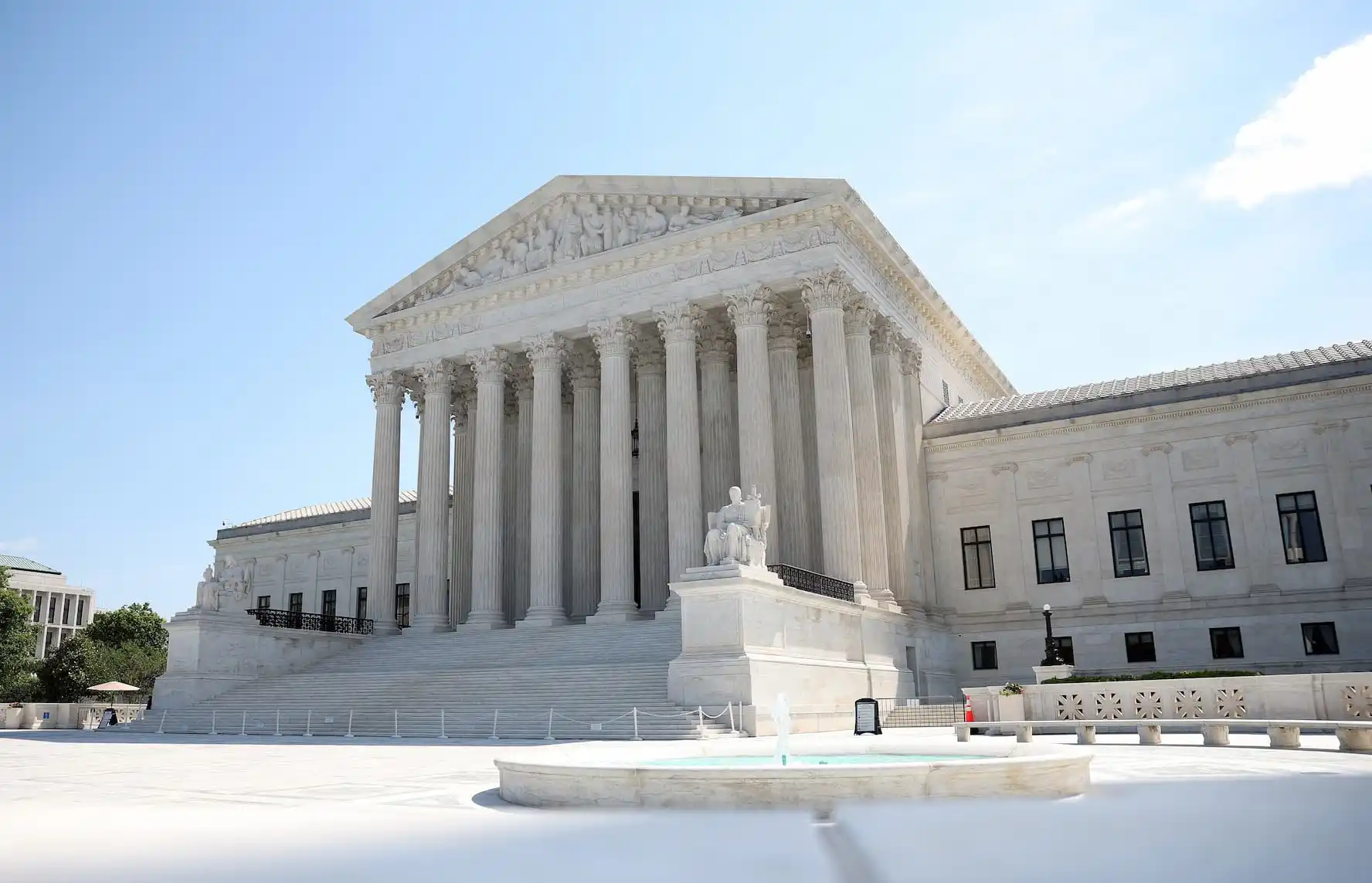
The Supreme Court IEEPA tariffs decision marks an important moment in U.S. constitutional law. The Brookings article examines two major legal disputes. First, it analyzes the Supreme Court’s ruling on presidential tariff authority. Second, it reviews litigation over domestic military deployments. Together, these cases clarify the limits of executive power during national emergencies.
Supreme Court Limits IEEPA Tariffs
The article explains that the Supreme Court ruled that the International Emergency Economic Powers Act (IEEPA)does not authorize the president to impose tariffs without congressional approval. Therefore, the Court reaffirmed Congress’s constitutional authority over trade policy.
Moreover, the decision prevents future administrations from relying on emergency powers to introduce tariffs. Instead, presidents must use laws that specifically authorize trade restrictions. This interpretation strengthens legal certainty for businesses and trading partners.
Domestic Military Deployments Face Judicial Review
The Brookings analysis also focuses on domestic military deployments. Courts are reviewing whether recent executive actions complied with constitutional and statutory requirements. Meanwhile, these legal challenges continue to define the limits of presidential emergency authority.
In addition, the article argues that military deployments inside the United States require careful judicial oversight. Courts must determine whether the executive branch acted within its legal authority.
Constitutional Implications
The Supreme Court IEEPA tariffs ruling has broader constitutional significance. Consequently, it reinforces the separation of powers between Congress, the presidency, and the judiciary. The article also notes that judicial review remains an essential safeguard during national emergencies.
Furthermore, these decisions may shape future administrations. Presidents will likely face greater legal scrutiny when invoking emergency powers for economic or security purposes.
Overall, the Supreme Court IEEPA tariffs decision strengthens constitutional checks and balances. Ultimately, the ruling limits unilateral executive action while protecting Congress’s role in trade policy. At the same time, ongoing litigation over domestic military deployments will continue to define the scope of presidential authority. These cases demonstrate that emergency powers remain subject to constitutional review.
Referencia
Brookings Institution. (2026, July 14). A Supreme Court update: IEEPA tariffs and domestic military deployments: Session 46 of the Congressional Study Group. https://www.brookings.edu/articles/a-supreme-court-update-ieepa-tariffs-and-domestic-military-deployments/