
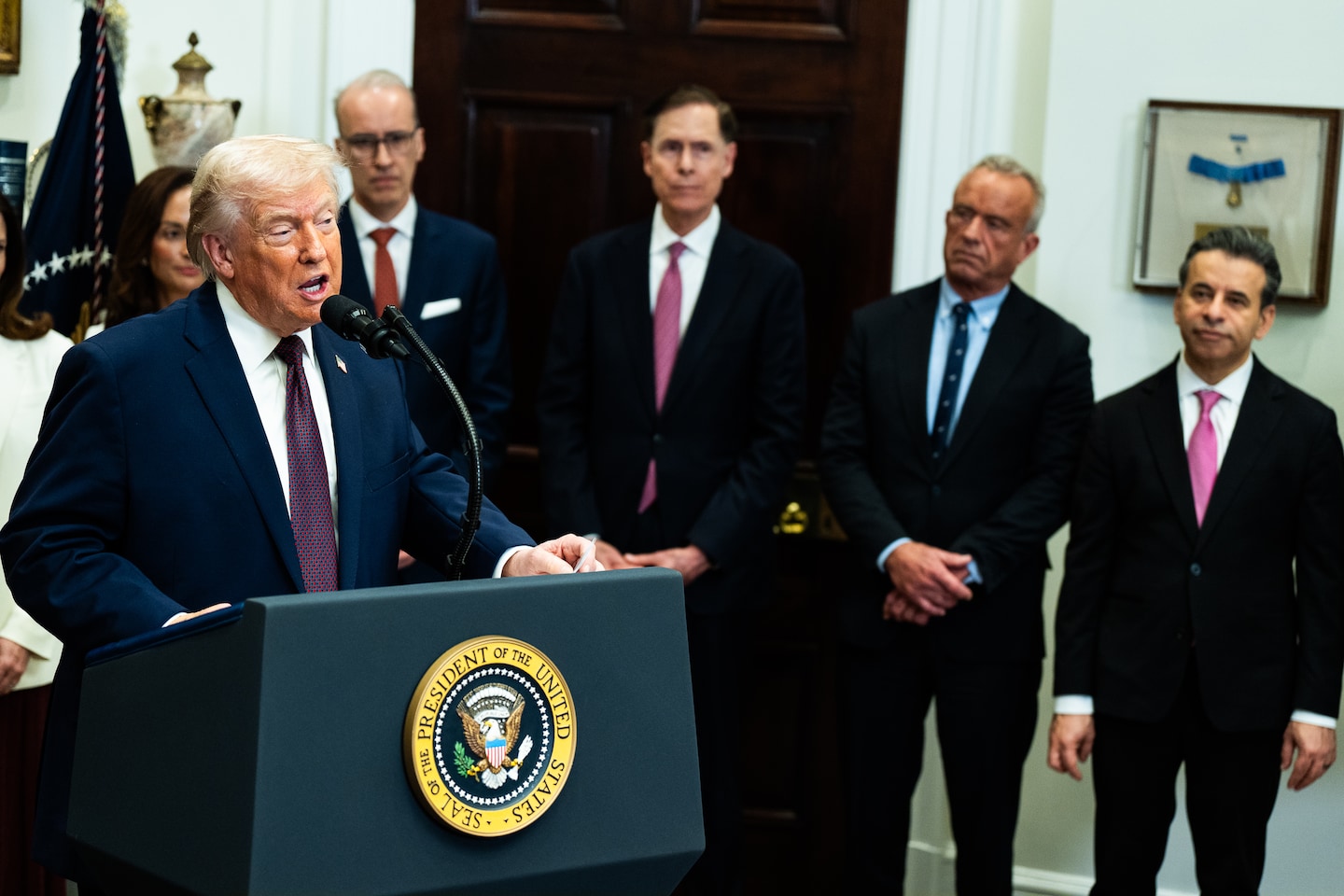
The Trump administration has a plan to spend roughly $2 billion per year to construct a US-run global health surveillance. A response system after withdrawing from the World Health Organization (WHO). Officials say the Department of Health and Human Services (HHS) has requested the funding. This as part of a broader effort to replace the functions the US once accessed through the WHO at a significantly lower contribution—about $680 million. The proposed initiative would replicate laboratories, data-sharing networks, and rapid-response systems while expanding the presence of US health agencies in more than 130 countries.
Trump justified the earlier withdrawal by accusing the WHO of mishandling the coronavirus pandemic, resisting reform, and imposing disproportionately high financial demands on the US. However, critics argue that the new proposal would cost two to three times more than previous contributions while delivering narrower reach and diminished influence. Public health experts, including Tom Inglesby of Johns Hopkins, question the fiscal and strategic logic of recreating an infrastructure that already provided broad global access. The membership of WHO offered not only surveillance data but also diplomatic leverage and coordinated response capacity that would be difficult to duplicate independently.
Atul Gawande, formerly of USAID, connects the proposal to wider cuts in global health funding, warning that dismantling foreign aid programs has already carried significant human costs. He and other experts emphasize that global cooperation remains essential for detecting and containing infectious diseases. Especially as outbreaks of viral hemorrhagic fevers such as Ebola and Marburg have increased in recent decades. The economic risks of another pandemic, estimated in the hundreds of billions of dollars per month, underscore the stakes
Is it a better option?
While HHS officials maintain that the United States will continue to lead in global health. Focusing on bilateral partnerships and existing agency footprints abroad, uncertainty surrounds how effectively a new system could match the WHO’s nearly 200-member network. The debate ultimately centers on cost, preparedness, and whether national independence can substitute for multilateral collaboration in confronting global disease threats.
Reference
Sun, L., & Bogage, J. (2026, February 19). After blasting WHO costs, Trump officials propose more expensive alternative. The Washington Post. https://www.washingtonpost.com/health/2026/02/19/alternative-world-health-organization-proposal/