
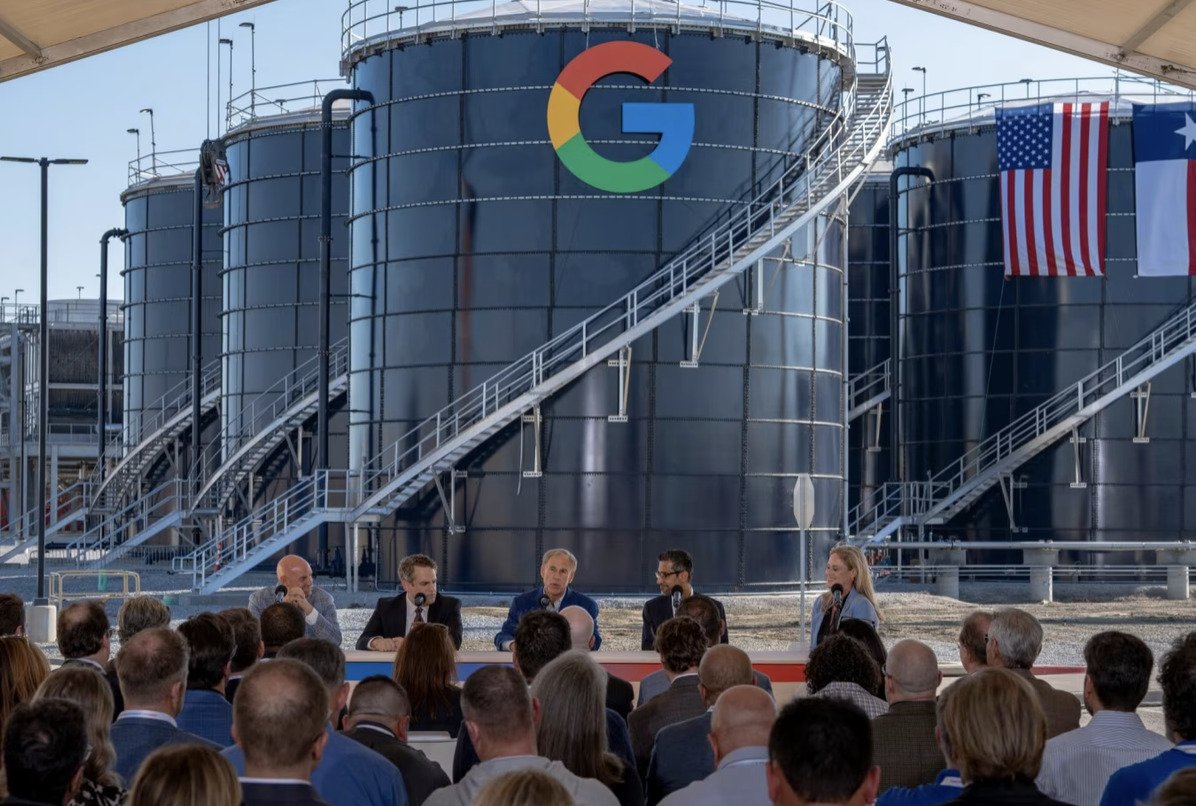
Major technology companies are earmarking unprecedented amounts of capital to finance the construction of massive artificial intelligence data centers, yet the actual ability to deploy these funds is becoming increasingly uncertain. Supply-chain backlogs, permitting disputes, and acute power availability issues have caused physical construction to fall severely behind targeted timelines. According to a recent JPMorgan analysis, more than 60% of the data-center capacity planned for completion in 2027 is not yet under construction, while another 7% is officially delayed. Despite tech giants collectively devoting hundreds of billions of dollars to capital expenditures this year alone, the physical infrastructure is struggling to keep pace with Wall Street’s financial investments.
Innovative Power Strategies and Acquisitions
To bypass these severe bottlenecks, Google’s parent company, Alphabet, recently announced an $85 billion equity raise and is pioneering a novel approach to securing the massive amounts of electricity required. Alphabet recently became the only large tech company to acquire its own power provider, purchasing wind and solar developer Intersect for $4.75 billion to build out multiple gigawatts of proprietary energy. By integrating in-house energy experts and securing on-site power generation, Google aims to connect its new data centers to the grid much faster than its competitors.
Other major industry players are aggressively exploring their own alternative power sources to circumvent grid delays. Microsoft recently struck a deal with Constellation Energy to restart the undamaged reactor at the Three Mile Island nuclear plant, while competitors like xAI and Meta are heavily relying on on-site gas generation to power their proposed facilities.
Grid Strain and Demand Response Solutions
The immense power requirements of these AI facilities—which can consume as much electricity as a midsize city—threaten to severely strain local electrical grids during periods of extreme weather and peak demand. To mitigate this growing crisis, regional regulators are considering expedited grid connections for data centers that can voluntarily reduce their electricity consumption when regional supplies are scarce.
Google has actively embraced this “demand response” tactic, recently announcing a three-year agreement with Voltus to create up to 100 megawatts of capacity in the PJM power market. Under this agreement, Voltus will pay homes and businesses to reduce their power consumption during peak times using smart technologies. While Alphabet’s shares experienced a record three-day drop following its massive equity raise announcement, investors are broadly taking the news in stride as the tech sector races to secure the foundational infrastructure of the AI boom.
Reference
Blunt, K. (2026, junio 3). America’s data-center build-out is falling way behind schedule. The Wall Street Journal. https://www.wsj.com/tech/ai/americas-data-center-build-out-is-falling-way-behind-schedule-e408a9a8