
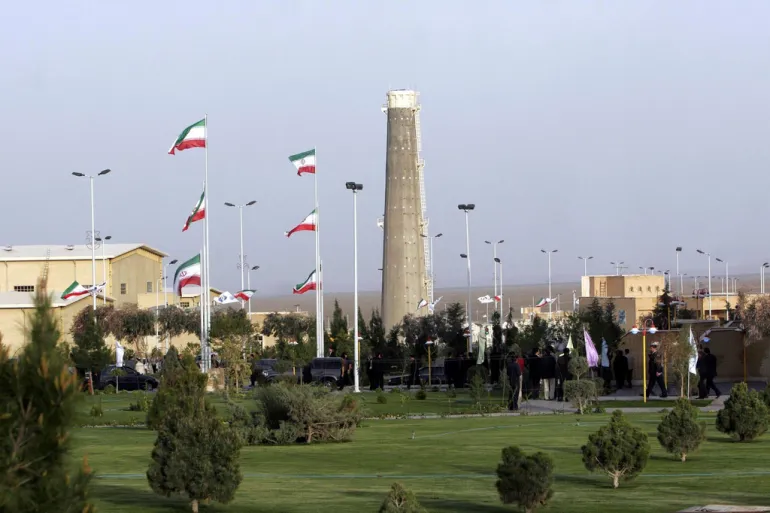
The Shift from Diplomatic Safeguards to Nuclear Sovereignty
In March 2026, Iranian lawmakers initiated a formal legislative push to withdraw from the Treaty on the Non-Proliferation of Nuclear Weapons (NPT). This radical diplomatic shift comes as the U.S.-Israeli coalition intensified its kinetic campaign, expanding targets from primary nuclear research facilities to critical industrial infrastructure, including major steel plants. Consequently, the Iranian political establishment has signaled that the “international rules-based order” no longer provides security guarantees for the state’s survival. This move suggests that the era of monitored containment has ended, replaced by a doctrine of “Total Deterrence” where Tehran views a nuclear breakout as the only remaining shield against systemic destruction.
Origins and the Failure of Coercive Diplomacy
Originally, Iran’s commitment to the NPT was the cornerstone of every nuclear deal, intended to prove the peaceful nature of its program in exchange for sanctions relief. However, the origin of the current withdrawal movement lies in the “Maximum Pressure 2.0” strategy and the February 28 strikes, which Tehran characterizes as a total war of aggression. As the coalition moved beyond military targets to hit the economic spine of the country—such as the Isfahan steel complexes—the internal consensus in Iran shifted toward the hardline view that “inspections are merely espionage.” Furthermore, the report emphasizes that by destroying the very sites the IAEA was supposed to monitor, the coalition has effectively dismantled the technical and legal basis for Iran’s continued participation in the treaty.
Structure of the Legislative Breakout and Industrial Resilience
The structure of this NPT exit is organized around an emergency bill in the Majlis (Parliament) that mandates the immediate expulsion of all international inspectors and the acceleration of uranium enrichment to weapons-grade levels. Specifically, the legislation frames the exit not as an act of defiance, but as a “legal self-defense” measure under Article X of the NPT, which allows withdrawal if “extraordinary events” jeopardize a nation’s supreme interests. Moreover, the article highlights the “strategic hardening” of Iran’s industrial base; despite the strikes on steel plants, the IRGC has reportedly moved critical manufacturing underground. This structured resistance creates a scenario where the coalition’s “decapitation” of the economy is being met with a decentralized, militarized production model that is no longer bound by any international oversight.
Synthesis of Proliferation Cascades and the Future of Global Security
The successful maintenance of a non-nuclear Middle East now faces a paradox where the military effort to “stop the bomb” has become the primary catalyst for Tehran to actually build it. This objective is essential to understand because it signals a “Proliferation Cascade” where neighboring states, particularly Saudi Arabia and Turkey, may now feel compelled to seek their own nuclear deterrents to match a post-NPT Iran. Simultaneously, there is a clear intent among the remaining Iranian leadership to use the “Nuclear Option” as their final bargaining chip for a ceasefire. Ultimately, the Al Jazeera report provides a stable warning: the exit from the NPT marks the death of the post-Cold War arms control architecture, leaving the world in a much more volatile and unpredictable “Nuclear Multipolarity.”
Reference
Al Jazeera. (2026, March 28). Lawmakers push NPT exit as US, Israel hit Iran’s nuclear sites, steel plants. Al Jazeera News. https://www.aljazeera.com/news/2026/3/28/lawmakers-push-npt-exit-as-us-israel-hit-irans-nuclear-sites-steel-plants