
An ongoing geopolitical crisis in the Middle East severely disrupted global energy flows through key shipping channels like the Strait of Hormuz. Asian economies suffered extreme economic shocks due to their heavy reliance on imported Gulf oil and gas supplies. Initial response efforts included domestic fuel conservation policies, mandatory price caps, and remote work initiatives across several impacted countries.
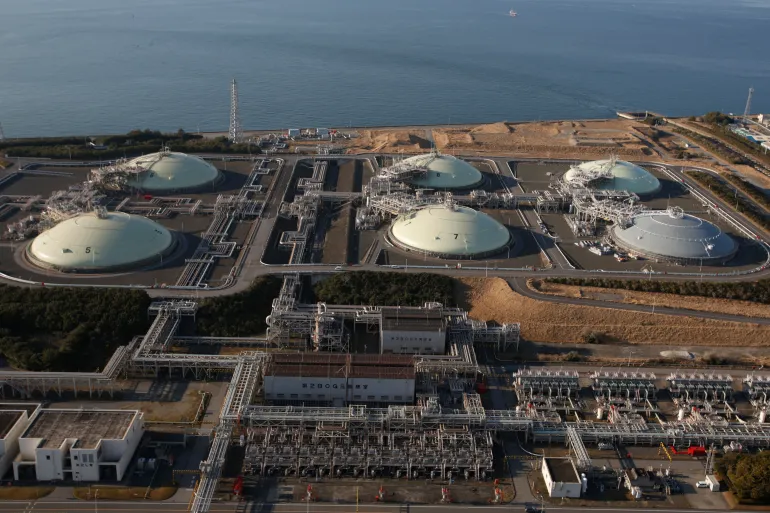
The severe supply shock prompted regional governments to pursue long-term infrastructure solutions located closer to home. Japan launched a multi-billion dollar initiative to help neighboring Southeast Asian nations build national energy stockpiles. Additionally, major consumer nations like India, South Korea, and China are rapidly expanding state-owned strategic reserves and new pipeline networks.
Asian governments are also negotiating direct storage agreements with Middle Eastern energy suppliers to keep fuel stockpiles stored locally. Countries are evaluating alternative transport corridors and pipeline networks to bypass vulnerable maritime chokepoints entirely. These major investments mark a structural shift toward protecting national supply chains against sudden geopolitical instability.
In conclusion, the energy crisis forced Asian nations to accelerate infrastructure spending to secure local energy reserves, reducing their overall vulnerability to distant geopolitical conflicts and maritime disruptions.
Reference
Hale, E. (2026, September 3). Asia looks to store oil, gas closer to home after Strait of Hormuz crisis. Al Jazeera. https://www.aljazeera.com/economy/2026/9/3/asia-looks-to-store-oil-gas-closer-to-home-after-strait-of-hormuz-crisis