
An investigation into the conflict in northern Mali has revealed the first confirmed deployment of internationally banned cluster munitions in the region. The findings center on a late-night strike between May 16 and 17, 2026, in the village of Tadjmart, located in the Kidal region. Visual evidence from the aftermath was geolocated to coordinates where the Malian Armed Forces (FAMa).
Obviously, it had publicly announced conducting airstrikes on that exact date. The strikes occurred during an intensification of fighting following coordinated insurgent attacks by Tuareg separatists and militant groups against government and allied positions.
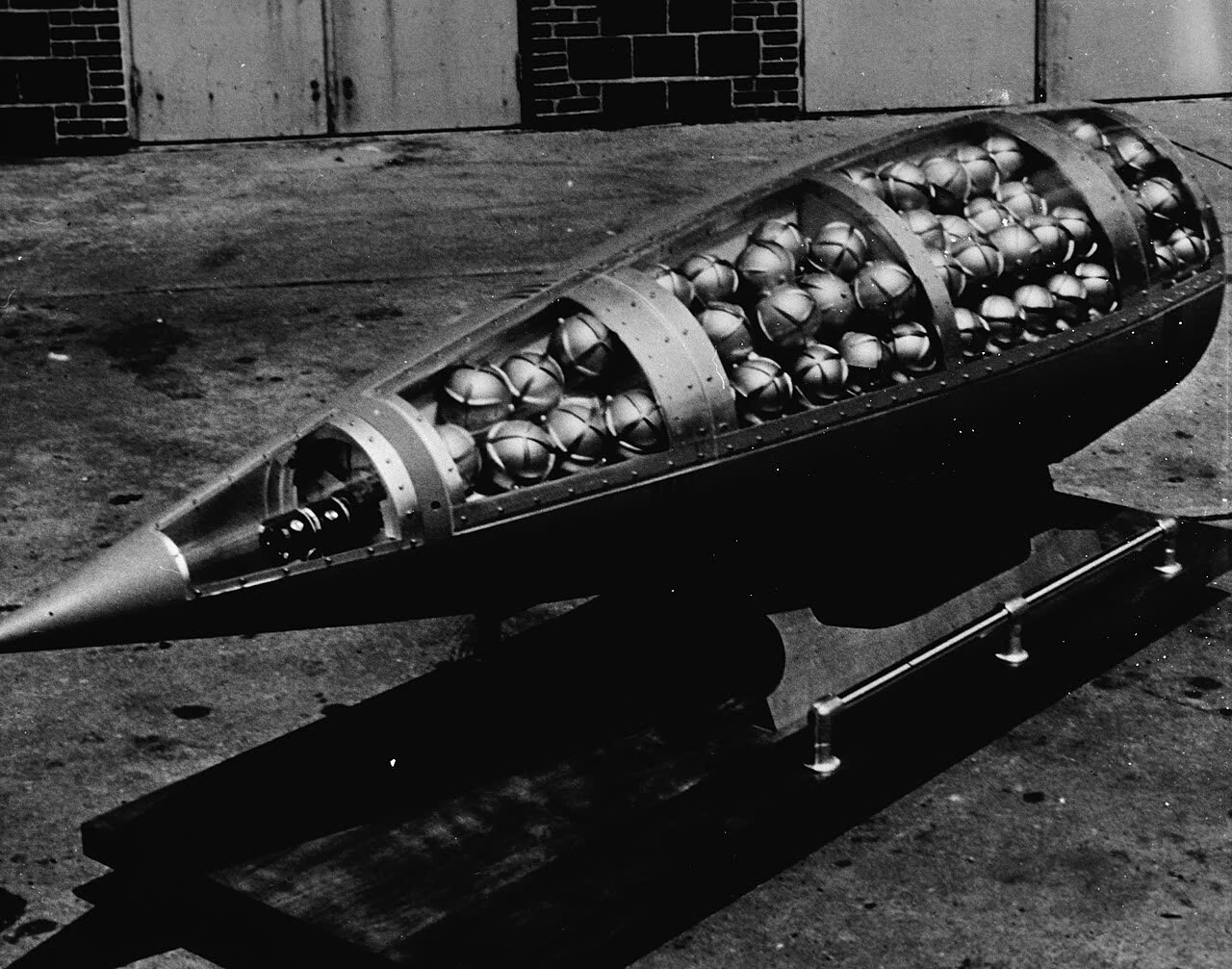
The physical remnants documented in Tadjmart were identified as Russian-made ShOAB-0.5 fragmentation submunitions. These orange-sized metallic spheres feature stabilizing fins and are delivered via an RBK-500 cluster munition dispenser. A single dispenser is engineered to scatter 565 of these bomblets across an expansive, football-field-sized area to saturate it with shrapnel. Because these weapons are completely unguided and disperse indiscriminately, they pose a severe threat to civilian spaces. The Tadjmart strike reportedly killed one child and injured three women.
Meanwhile, multiple unexploded bomblets were left scattered among residential homes and structures, acting as highly volatile, de facto landmines.
The presence of these weapons carries profound legal and diplomatic implications because Mali is a state party to the 2008 Convention on Cluster Munitions. This international treaty strictly prohibits the use, production, transfer, and stockpiling of cluster munitions. It mandates that signatories clear any contaminated remnants on their soil. By allowing or facilitating the deployment of these weapons, the Malian government stands in direct violation of its international treaty obligations.
While Russia itself is not a signatory to the convention. The deployment of its hardware via the “Africa Corps”—the rebranded state-backed paramilitary apparatus formerly known as the Wagner Group. Therefore, directly links Moscow to the violation, raising critical questions of accountability since the Russian forces act as an extension of the Malian military command.
In conclusion, the documented use of banned Russian cluster munitions in Mali marks a dangerous escalation. It places the Malian government in direct violation of its international treaty obligations. Because these unguided weapons scatter indiscriminately over large areas, their deployment inherently endangers civilians. Therefore, leaving behind highly volatile unexploded bomblets that act as long-term landmines. Ultimately, this development highlights the heavy humanitarian toll of Mali’s alliance with Russia’s state-backed “Africa Corps” paramilitaries. Likewise signaling a worrying shift toward illegal warfare tactics that prioritize immediate battlefield gains over civilian safety and international law.
Reference
Vandermeersch, S. (2026, May 26). Banned Russian Submunitions Found After Mali’s Military Announces Airstrikes – bellingcat. Bellingcat. https://www.bellingcat.com/news/africa/2026/05/26/banned-russian-submunitions-found-after-malis-military-announces-airstrikes/