
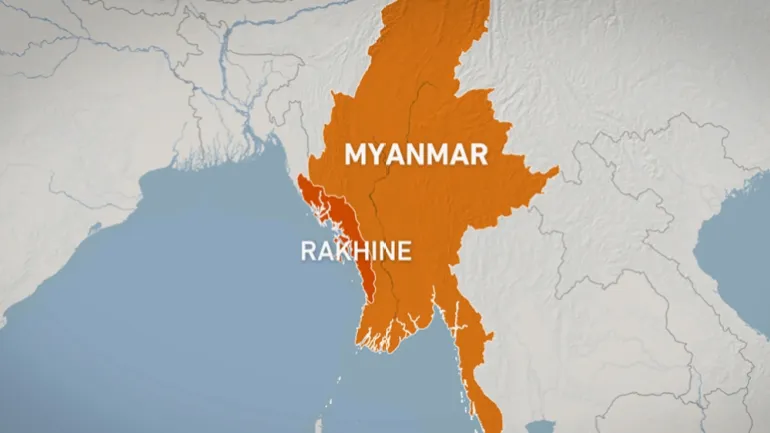
An investigation into the ongoing crisis in Myanmar’s Rakhine State reveals the systematic erasure and complete disappearance of historic Rohingya settlements. Utilizing historical maps, archival documents, and a detailed chronological analysis of satellite imagery. The investigation tracks the physical transformation of specific village tracts in northern Rakhine following the 2017 military clearance operations. In which forced over 700,000 Rohingya Muslims to flee to neighboring Bangladesh. The findings show that the destruction did not stop with the initial arson and displacement. Rather, the Myanmar authorities launched a multi-year effort. In order to systematically level the remaining structures, clear the land, and permanently alter the geography. And ensure the original inhabitants can never return.
Firstly, the investigation focuses on multiple village tracts, using geospatial data to document a distinct pattern of state-sponsored dispossession. After homes, schools, and mosques were torched, heavy machinery and bulldozers were deployed to scrape the earth entirely clean. Subsequently, erasing centuries-old landmarks, agricultural fields, and natural vegetation. Over these flattened, unidentifiable crime scenes, the military regime constructed sprawling security bases, fortified outposts for the Border Guard Police (BGP) and state-backed infrastructure projects. Furthermore, corporate entities and ministries within the Myanmar government actively participated in. Therefore, benefiting from this land-grabbing initiative, repurposing the seized territory for commercial use and military entrenchment.
Meanwhile, this systematic erasing of Rohingya history and topography carries profound international implications for justice, human rights, and the prospects of refugee repatriation. Human rights advocates and legal experts point out that the physical obliteration of these communities. For instance, a deliberate attempt by the military regime to destroy evidence of mass atrocities and crimes against humanity. By physically wiping out the markers of where these people lived, farmed, and buried their dead, the state has institutionalized the disenfranchisement of the Rohingya. Likewise, this permanent reconfiguration of Rakhine State essentially nullifies international calls. In short, for a voluntary, safe, and dignified return of refugees, transforming their homeland into a heavily militarized zone built directly on top of their stolen past.
In conclusion, the systematic leveling and militarization of historic Rohingya settlements in Rakhine State represent a deliberate, multi-year campaign to physically erase an entire population’s history and evidence of state-sponsored atrocities. By replacing bulldozed villages with security outposts and commercial projects. The Myanmar military regime has institutionalized the dispossession of the Rohingya, effectively preventing their legal repatriation. Ultimately, this permanent destruction of ancestral homelands turns a temporary refugee crisis into a permanent exile. To sum up, directly defying international human rights standards. And, destroying the prospects of justice and safe return for hundreds of thousands of displaced people.
Reference
Ramalho, M. (2026, May 27). The “Lost” Villages of Myanmar’s Rakhine – bellingcat. Bellingcat. https://www.bellingcat.com/news/2026/05/27/the-lost-villages-of-myanmars-rakhine/